You have not yet added any article to your bookmarks!
Join 10k+ people to get notified about new posts, news and tips.
Do not worry we don't spam!
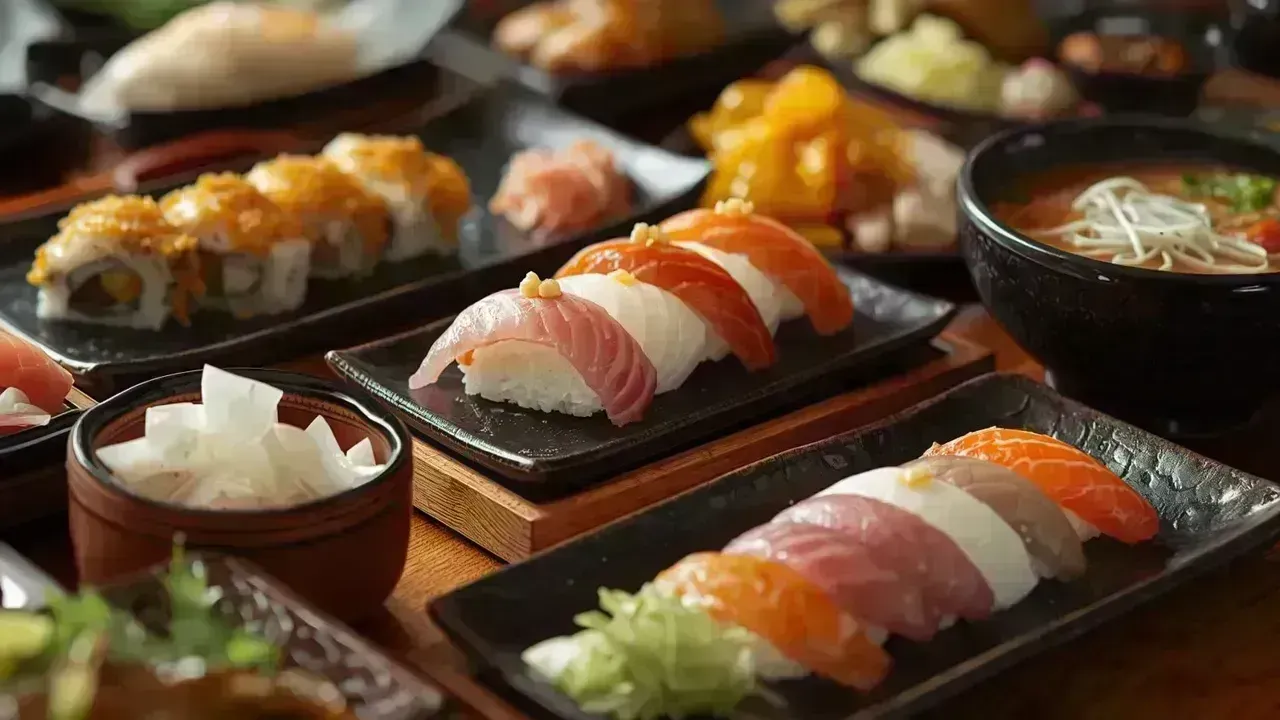
Post by : Samjeet Ariff
Japanese cuisine is characterised not by heavy seasoning but by its profound bond with nature. Each dish embodies a respect for seasonal cycles, geographical influences, and ingredient integrity. Local produce significantly shapes flavors, textures, and presentations. Instead of overpowering the natural essence of ingredients, Japanese cooking seeks to elevate it. This philosophy fosters regional food cultures throughout Japan, contributing to a culinary landscape that is both varied and firmly grounded in local identity.
Known as washoku, traditional Japanese cuisine is globally esteemed for its balance and simplicity, as well as its harmonious relationship with the environment. The uniqueness of this cuisine lies in its reliance on local ingredients that evolve with the seasons and regions. From rice cultivated in designated valleys to seafood sourced from local waters, each ingredient embodies the essence of its origin. Prioritising freshness and minimal processing, Japanese cooking allows local products to shine. This article delves into how local ingredients define traditional Japanese cuisine and underscores their importance in maintaining authenticity and appeal worldwide.
As the cornerstone of Japanese food culture, rice possesses both nutritional and cultural significance, fundamentally acting as the centerpiece in meals.
The significance of local rice
Different Japanese regions cultivate rice varieties tailored to their unique climates and soils, affecting characteristics like texture and sweetness.
Defining traits of Japanese rice
• Sticky, short-grain texture
• Naturally mild sweetness
• Soft yet structured
Uses of rice in traditional dishes
• Served simply to emphasise quality
• Utilised in sushi, rice bowls, and onigiri
• Integral in both festive and everyday meals
The quality of local rice directly impacts the dining experience, as even the simplest dish relies on expertly prepared rice.
With its extensive coastline, seafood takes a central role in traditional Japanese meals. Coastal regions depend heavily on local maritime resources.
The necessity of fresh, local seafood
Japanese cuisine values freshness, often serving seafood raw or minimally cooked, making local sourcing crucial.
Common local seafood options
• Tuna, mackerel, sardines
• Sea bream and yellowtail
• Shellfish and seaweed
Regional culinary impact of seafood
• Coastal towns concentrate on specific fish
• Inland areas favour preserved seafood
• Cooking styles reflect local resources
Factors like water temperature and geographic location affect the taste and quality of seafood, creating distinct local food identities.
Vegetable choices in Japanese cooking are driven by seasonality and regional availability rather than a uniform supply.
The importance of seasonality
Seasonal vegetables tend to be fresher, tastier, and more nutritious. This natural cycle is embraced within Japanese cooking.
Examples of seasonal produce
• Bamboo shoots in spring
• Eggplant and cucumber in summer
• Mushrooms and root vegetables in fall
• Daikon radishes and leafy greens in winter
Mountain and rural contributions
Inland areas focus on mountain vegetables and wild greens, resulting in dishes that differ from those emphasising coastal ingredients.
Fermentation is pivotal in Japanese cuisine, greatly influenced by local environmental conditions.
Essential fermented products
• Miso
• Soy sauce
• Rice vinegar
• Pickled vegetables
Relevance of local climates
Humidity, temperature, and local microbes significantly influence flavour outcomes in fermentation processes.
Flavor enhancement from fermentation
• Introduces umami depth
• Lengthens shelf life
• Adds complexity without heavy spices
Fermented foods serve as the foundation of seasoning in Japanese cuisine, reducing the need for strong spices.
Dashi, a simple broth derived from local ingredients, is fundamental to Japanese culinary practices.
Common components of dashi
• Kelp
• Dried fish flakes
• Dried anchovies
Importance of local sourcing
The quality of dashi relies on the freshness of its constituents, with regional differences in ingredient availability.
Functions of dashi
• Base for soups and stews
• Enhances natural tastes
• Provides umami without overpowering
Dashi elevates the ingredients, allowing their natural attributes to shine through.
Japan's geographical diversity creates significant variations in cuisine across different regions.
Illustrations of regional variations
• Seafood-centric dishes in coastal regions
• Preserved foods and vegetables in mountain areas
• Heartwarming meals in northern territories
• Lighter flavors in southern regions
Community pride in culinary heritage
Locals preserve traditional recipes through generations, sustaining regional food identity.
Traditional Japanese cooking techniques seek to honour the ingredient, rather than alter it.
Common methods employed
• Grilling
• Steaming
• Simmering
• Raw serving
The significance of simplicity
Minimal culinary processes accentuate freshness and texture, underscoring the necessity for high-quality ingredients.
Japanese cuisine prioritises visual aesthetics, often drawing inspiration from natural settings.
Impact of local ingredients on presentation
• Seasonal colors adorning the plate
• Natural shapes maintained
• Utilisation of local ceramics
The visual arrangement echoes the season, geography, and origin of the ingredients, crafting a holistic sensory engagement.
Japanese food culture is heavily influenced by principles of respect, balance, and sustainability.
Cultural values
• Respect for farmers and fishers
• Minimisation of waste
• Appreciation of seasonal changes
Local ingredients fortify sustainable methods and enhance community food systems.
While Japanese dishes are replicated worldwide, achieving true flavors is nearly impossible without authentic ingredients.
Why authenticity relies on locality
• Freshness of ingredients varies
• Fermentation processes differ based on environment
• Substitutes cannot replicate genuine depth of flavor
Authentic Japanese cuisine epitomises place and not merely the recipe.
The global acclaim of Japanese cuisine stems from its ingredient-centric philosophy.
What makes it distinctive
• Clean, well-balanced flavors
• Nutritionally conscious
• Deep-rooted cultural connections
This method has significantly impacted contemporary culinary trends worldwide.
The essence of traditional Japanese cuisine is intrinsically linked to the local ingredients that nurture it. From regionally cultivated rice to seafood netted from local oceans, together with seasonal vegetables and naturally fermented seasonings, each component adds to the cuisine's distinctive character. Instead of deploying heavy spices or complex processes, Japanese cooking venerates simplicity, freshness, and harmony with the environment. Recognising how local ingredients shape Japanese cuisine opens a richer understanding of its authenticity, regional diversity, and cultural richness. This enduring respect for origin and seasons renders Japanese food uniquely timeless.
This article serves informational purposes only. Ingredient availability, cooking techniques, and regional culinary traditions may fluctuate. Readers are encouraged to seek authentic local experiences and consider dietary preferences when exploring traditional cuisines.










Rabada Misses First Australia Test as South Africa Pick Two Spinners
Kagiso Rabada misses the opener as South Africa vs Australia begins, with Anrich Nortje returning an

Starc Compares Australia's Tough Year to McIlroy's Major Sweep
Mitchell Starc says Australia winning three away Test series and the World Cup would match Rory McIl

France’s Sesterce Plans $11 Billion AI Data Centre in Finland
Sesterce plans a $11 billion AI data centre in Finland, with major expansion, green energy plans and

Danaher to Launch AI-Powered Autonomous Research Lab in 2027
Danaher plans an AI research lab for 2027, combining robotics and automation to speed up drug discov

Musk Welcomes German Support for Tesla Driver Assistance Tech as EU Approval Push Continues
Elon Musk welcomes Germany's backing for Tesla FSD as the company seeks EU approval amid speed, safe

Microsoft and Nvidia CEOs to Unveil AI Laptop at San Francisco Event
Microsoft and Nvidia showcase a new AI laptop with RTX Spark chips as they push powerful local AI co