
You have not yet added any article to your bookmarks!
Join 10k+ people to get notified about new posts, news and tips.
Do not worry we don't spam!
Post by : Mikael Ariff
Cinema is a significant aspect of Indian culture today, with audiences enjoying films in various settings—from contemporary multiplexes to charming single-screen theatres. While attending movies has become a cherished activity for families and friends, few individuals know where and when India’s first cinema hall was established, and how this venue transformed the cinematic experience for millions.
The tale of India’s inaugural cinema hall goes beyond mere entertainment; it captures the essence of innovation, technological advancement, and the dawn of a new entertainment era. This article is penned in clear and simple English, ensuring accessibility for young readers.
Cinema arrived in India during the late 19th century, shortly after its inception in Europe. The concept of moving images was completely novel, providing an astonishing experience to early audiences.
The first film screening in India took place in 1896 at Watson’s Hotel in Bombay (now Mumbai), featuring short films created by the Lumière Brothers from France. Though the audience was captivated, cinema was initially regarded as a fleeting novelty rather than a lasting form of entertainment.
For many years following this premiere, films were shown in temporary venues, often repurposed from stage performances, with India yet to establish a dedicated cinema hall.
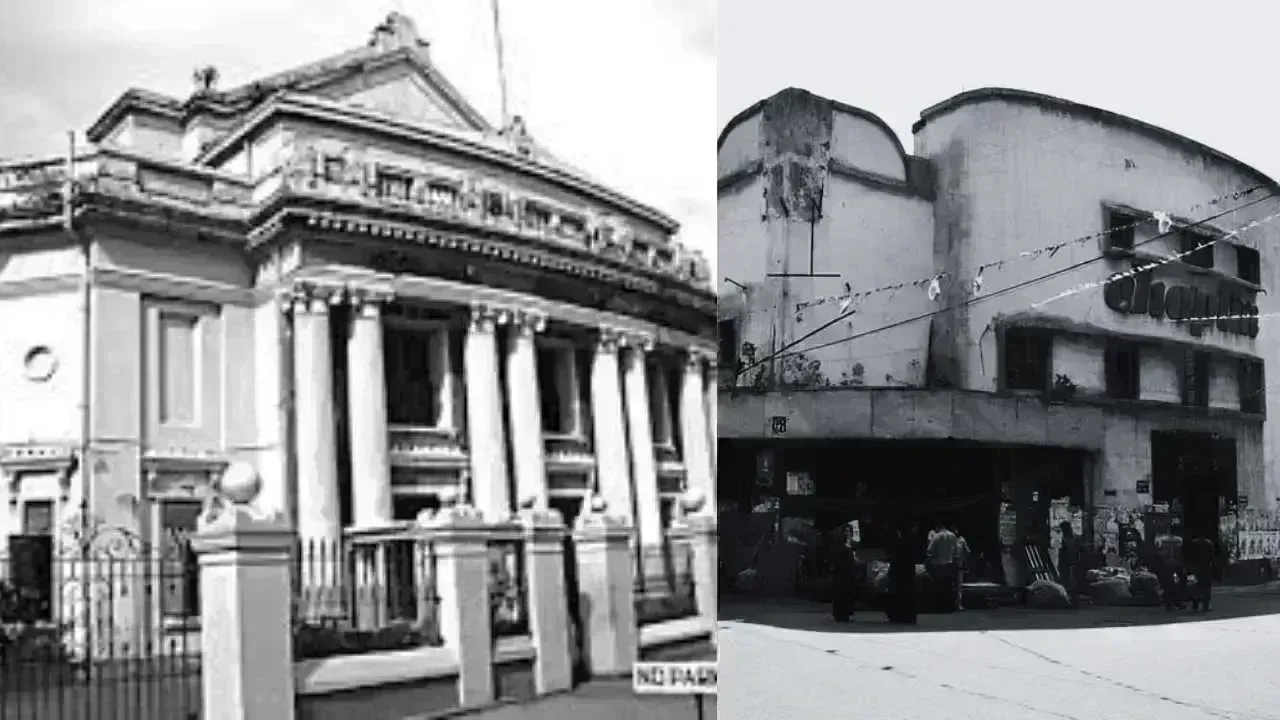
A landmark development occurred in 1907 with the construction of India’s first permanent cinema hall in Calcutta (now Kolkata). Known as Elphinstone Picture Palace, it later became famous as Chaplin Cinema.
This cinema was initiated by Jamshedji Framji Madan, a prominent theatre owner and film distributor who foresaw a significant future for cinema in India and envisioned a dedicated space for its regular showcase.
Elphinstone Picture Palace was noteworthy because it was explicitly built for cinema; unlike its predecessors, it wasn’t a transient setup. This established it as the nation’s first authentic cinema hall, giving rise to a flourishing cinema culture.
During the early 1900s, Calcutta served as the capital of British India and was a vital cultural hub. Boasting a rich theatre legacy, its citizens were receptive to emerging technologies and fresh ideas.
Calcutta’s progressive approach allowed it to host India’s first cinema hall. Diverse audiences frequented the Elphinstone Picture Palace, which gradually cultivated a shared tradition of moviegoing.
Initially, Elphinstone Picture Palace (later Chaplin Cinema) showcased silent, brief films without dialogues or recorded sounds. To enhance the ambiance, live music typically accompanied the screenings.
Most films presented were from Europe, while domestic productions emerged later. These early screenings sparked interest in cinema among Indian audiences, paving the way for episodic growth.
The inception of India’s first cinema hall fundamentally altered entertainment. Previously, audiences primarily engaged with live performances, but cinema introduced a novel storytelling medium through motion.
Driven by increasing interest, more cinema halls sprang up across the country. Local filmmakers began producing Indian films, solidifying cinema’s role as a core aspect of Indian culture.
From silent to sound films, spanning black-and-white to color, the journey of Indian cinema commenced with that single hall in Calcutta.
Elphinstone Picture Palace (later Chaplin Cinema) heralded the era of single-screen theatres. For decades, these venues served as communal spaces for movie lovers to enjoy films together.
As technology advanced, multiplex theatres emerged, transforming the cinematic experience. Yet, the thrill of watching films on the large screen has endured.
Understanding India’s first cinema hall provides insights into the genesis of Indian cinema and the dedication involved in establishing this industry. It underscores the truth that significant transformations often originate from humble beginnings.
Initiated in 1907 with Elphinstone Picture Palace (later Chaplin Cinema), the story of Indian cinema has burgeoned into one of the world’s largest film industries.
Today, as audiences relish films in modern theatres, it serves as a reminder of that very inception—one cinema hall, a solitary screen, and a shared vision to narrate stories uniquely.
This article serves as general information and educational reference. The historical facts presented are sourced from widely recognized accounts and public resources that may show slight variances. Although great care has been taken to ensure accuracy, readers should refer to authoritative history texts, academic studies, museum records, or official cultural documents for comprehensive evaluation and confirmation. The publisher does not assert absolute expertise in historical context and bears no responsibility for any subsequent updates, revisions, or differing interpretations that may surface post-publication.










Will O'Rourke Ruled Out of New Zealand's India Series
New Zealand fast bowler Will O'Rourke will miss the India series with hamstring and calf injuries as

AI Companies Expected to Drive Most US Earnings Growth in Q3
AI companies are expected to drive US third-quarter earnings growth as investors assess tech profits

Money Market Funds See Record Inflows as Global Bond Selloff Intensifies
Global money market funds attract $153.81 billion as bond yields rise, inflation fears persist and i

Meta Bans TikTok Ads on Facebook and Instagram in Seven Countries
Meta has banned TikTok ads in seven countries, escalating competition over social media users, adver

ASML and Zeiss Target Next-Generation Chip Technology in 10 Years
ASML and Carl Zeiss are developing Hyper NA technology to print smaller chip circuits, with the next

Rabada Misses First Australia Test as South Africa Pick Two Spinners
Kagiso Rabada misses the opener as South Africa vs Australia begins, with Anrich Nortje returning an

