
You have not yet added any article to your bookmarks!
Join 10k+ people to get notified about new posts, news and tips.
Do not worry we don't spam!
Post by : Samjeet Ariff
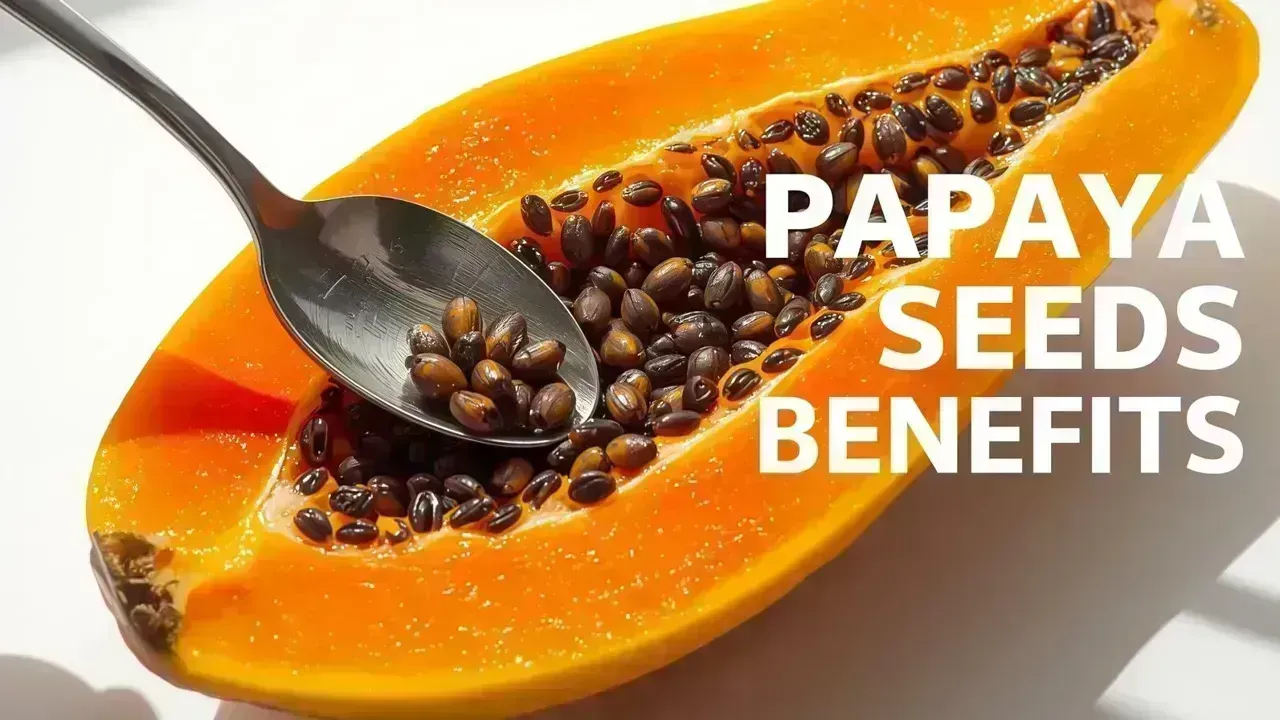
While many enjoy the sweet taste of papaya, few consider the small black seeds that often get discarded. However, these seeds are brimming with nutrients and compounds that might offer unexpected health advantages. Recent studies have shed light on the health benefits of papaya seeds, underscoring their potential contributions to digestion, immunity, and overall well-being.
It’s crucial to note that, like many natural remedies, papaya seeds aren't a magical solution. Gaining insight from research—and understanding how to incorporate them safely into your diet—is essential.
The seeds are loaded with bioactive compounds, including antioxidants, healthy fats, and enzymes derived from plants. These elements are believed to positively influence various bodily functions.
The growing interest in the nutritional aspects of papaya seeds stems primarily from their abundance of antioxidants, which combat oxidative stress tied to aging and chronic illnesses. They also consist of dietary fiber, protein in small amounts, and beneficial plant compounds that enhance overall health.
Prominent among their purported benefits is their role in digestion. Papaya contains the enzyme papain, aiding the breakdown of proteins. While papaya seeds may contain less papain than the fruit, they still facilitate digestive health.
Some research suggests that papaya seeds may aid digestion by alleviating bloating and promoting gut health. Their fiber content supports regular bowel movements, thus benefiting those experiencing mild digestive issues.
Studies indicate that papaya seeds possess natural antimicrobial characteristics, potentially combating harmful bacteria and parasites in the digestive tract.
This has led to their frequent mention in traditional medicine for gut detoxification and cleansing. However, while preliminary findings show promise, more extensive human studies are necessary to validate these claims.
Some animal-focused studies have investigated the potential of papaya seeds in promoting liver health. Findings suggest that components in the seeds may offer protection against toxins affecting the liver.
This has increased interest in papaya seeds for liver detox within natural health circles. Yet, without substantial human studies, these benefits should be treated cautiously and viewed as supportive rather than definitive.
Papaya seeds are rich in antioxidants that help eliminate harmful free radicals in the body, significantly contributing to overall health while potentially lowering the risk of chronic diseases.
Incorporating small amounts of these seeds into your diet can enhance natural antioxidant consumption, supporting healthy skin, immunity, and inflammation reduction.
Discussion has arisen around using papaya seeds for weight loss, mainly due to their fiber content and effects on digestion.
Fiber may increase satiety, helping to curb overeating. Nonetheless, papaya seeds alone are not a comprehensive weight-loss approach; they should complement a balanced diet.
While promoting various benefits, papaya seeds should be consumed judiciously. Their strong, slightly bitter flavor is usually best enjoyed raw, dried, or ground into powder.
Health experts typically recommend starting with a small quantity—such as a few seeds daily—to gauge the body's reaction. This strategy facilitates safe consumption while discovering the benefits of incorporating papaya seeds.
Despite their many benefits, papaya seeds aren't suitable for everyone. Excessive consumption might lead to digestive discomfort.
Some compounds within the seeds exhibit strong biological effects, making moderation essential. Pregnant individuals and those with specific health issues should seek professional advice before regular intake.
Being aware of both benefits and potential risks is crucial for the safe consumption of papaya seeds.
While early findings and traditional applications imply various health benefits, it’s vital to recognize that research is still advancing. Much of the evidence relies on laboratory or animal studies, necessitating further human research.
This implies that papaya seeds should not substitute medical treatments or claim to cure conditions. Instead, they serve as effective supplements to a healthy dietary regimen.
Though papaya seeds may not have the same allure as the fruit, their health benefits warrant exploration. They can support digestion and provide antioxidants, proving valuable when used appropriately.
Striking a balance is essential—consume sparingly, stay informed, and adhere to overall healthy practices. When utilized thoughtfully, these small seeds can contribute significantly to your wellness journey.
This article serves an informational purpose and relies on general nutrition insights and preliminary research findings. Papaya seeds are not a replacement for medical care or professional counseling. Individual reactions may differ. Always consult with a qualified healthcare provider before making significant dietary shifts, especially if you have existing health conditions or are pregnant.
#Health & Lifestyle #Health Guide #Balanced Diet #Health Benefits #Healthy Diet










PM Modi Pays Tribute to Mahatma Gandhi, Urges People to Support Khadi
PM Modi pays tribute to Mahatma Gandhi on Gandhi Jayanti and urges citizens to support Khadi and the

Amazon Seeks to Offload $8 Billion in Nvidia Chips to Investors
Amazon plans to move $8 billion in Nvidia chips to investors, using a new financing model to strengt

Samsung Raises Galaxy S26 Prices as Memory Chip Costs Rise
Samsung raises Galaxy S26 prices in South Korea as rising memory chip costs put pressure on smartpho

Lewis Hamilton Calls Singapore Grand Prix One of F1's Toughest Races
Lewis Hamilton discusses the demanding Singapore Grand Prix and brings Plus44 and Almave to Singapor

Denmark's Pandora Opens World's Largest Jewellery Factory in Vietnam
Pandora opens its largest jewellery factory in Vietnam, expanding global production, strengthening s

Gautam Gambhir Questions Batting-Friendly Pitches After India's Record ODI Chase
Gautam Gambhir questions batting-friendly ODI pitches after India’s record chase, calling for a bett

