
You have not yet added any article to your bookmarks!
Join 10k+ people to get notified about new posts, news and tips.
Do not worry we don't spam!
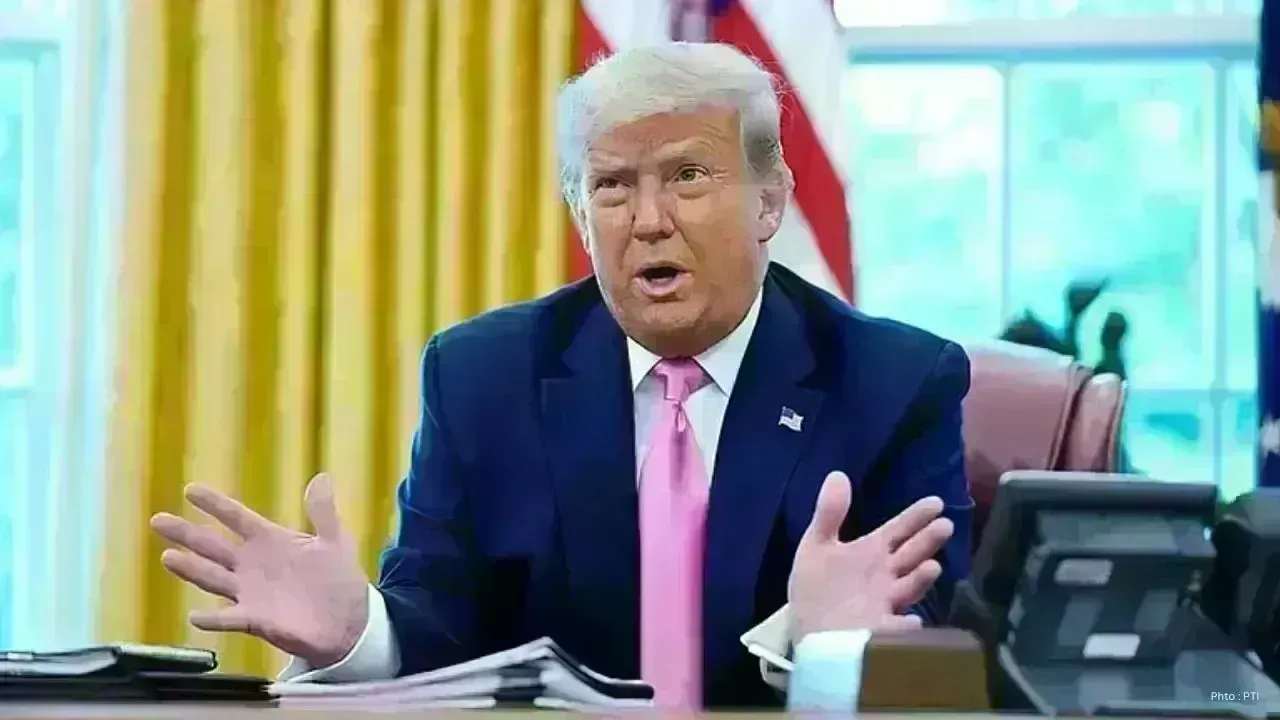
Post by : Shweta
In a significant legal ruling, a federal court in the United States has halted former President Donald Trump’s comprehensive global tariff initiative, asserting that he exceeded his lawful authority by attempting to enforce extensive import taxes through emergency economic measures. This judgment represents a substantial barrier to Trump’s trade objectives and could alter the parameters of presidential powers concerning international trade.
The court concluded that presidential authority to levy tariffs on imports is not boundless and requires Congressional sanction. Judges pointed out that the emergency powers statute used by Trump’s administration was not designed to endorse sweeping tariffs affecting various countries and sectors. The ruling emphasized that such measures necessitate explicit legal backing and must adhere to constitutional constraints.
The case garnered considerable attention from business groups, trade experts, and political figures given the proposed tariffs' potential to disrupt global supply chains and elevate costs for both corporations and consumers. A multitude of businesses and trade associations contested the tariff initiative in court, asserting that it would adversely impact American industries, inflate prices for basic goods, and generate uncertainty in global markets.
During his tenure, Trump championed tariffs as a pillar of his “America First” economic doctrine. He maintained that tariffs were vital for safeguarding US manufacturing, correcting trade discrepancies, and exerting pressure on foreign governments amid trade discussions. Trump had already enacted tariffs on imports from China, Europe, Canada, and several additional nations, escalating global trade tensions.
The ruling articulated that while presidents do possess specific emergency economic powers, those powers must not be exercised without clear legal definitions. Judges cautioned that unrestrained tariff authority under emergency statutes could position future presidents with excessive influence over trade policy, circumventing Congressional oversight. Legal analysts predict this ruling may serve as a critical benchmark for forthcoming cases linked to executive authority and economic policy decisions.
Business representatives applauded the decision, declaring that stable trade regulations are fundamental for economic advancement and fostering investor trust. Multiple companies had articulated fears that sweeping new tariffs could escalate production expenses, disrupt importation protocols, and increase pressure on consumers already grappling with inflation. Some economists also cautioned that global tariffs might incite retaliation from other nations, thereby jeopardizing international trade alliances.
Trump's supporters rebuked the ruling, arguing that robust tariff practices are essential for shielding American industries from unfair foreign competition. They assert that this decision restricts forthcoming presidents' capacity to swiftly address trade conflicts or economic threats posed by other nations. Allies of Trump suggest that the court’s ruling could hinder efforts aimed at preserving domestic manufacturing and employment.
This ruling is anticipated to encounter additional legal challenges, meaning that the matter might persist through higher judicial levels in the forthcoming months. Political analysts indicate that this case could emerge as a crucial issue during the US election debates, especially concerning trade, executive authority, and America’s economic affiliations with the global arena.










PM Modi Pays Tribute to Mahatma Gandhi, Urges People to Support Khadi
PM Modi pays tribute to Mahatma Gandhi on Gandhi Jayanti and urges citizens to support Khadi and the

Amazon Seeks to Offload $8 Billion in Nvidia Chips to Investors
Amazon plans to move $8 billion in Nvidia chips to investors, using a new financing model to strengt

Samsung Raises Galaxy S26 Prices as Memory Chip Costs Rise
Samsung raises Galaxy S26 prices in South Korea as rising memory chip costs put pressure on smartpho

Lewis Hamilton Calls Singapore Grand Prix One of F1's Toughest Races
Lewis Hamilton discusses the demanding Singapore Grand Prix and brings Plus44 and Almave to Singapor

Denmark's Pandora Opens World's Largest Jewellery Factory in Vietnam
Pandora opens its largest jewellery factory in Vietnam, expanding global production, strengthening s

Gautam Gambhir Questions Batting-Friendly Pitches After India's Record ODI Chase
Gautam Gambhir questions batting-friendly ODI pitches after India’s record chase, calling for a bett

