You have not yet added any article to your bookmarks!
Join 10k+ people to get notified about new posts, news and tips.
Do not worry we don't spam!
Post by : Badri Ariffin
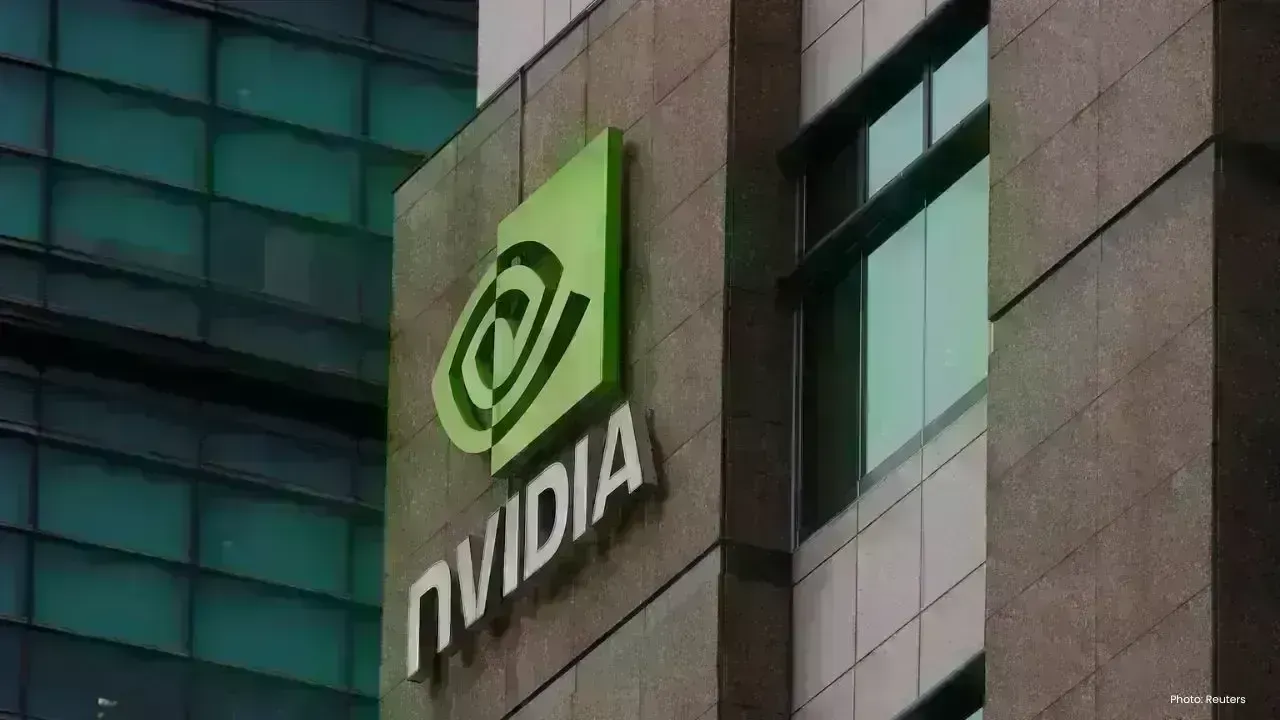
The Trump administration is conducting a formal review that could unlock the initial authorized shipments of Nvidia’s H200 chips to China, as multiple sources indicate. This development follows President Trump's recent declaration to allow limited sales of chips to Chinese buyers for a 25% fee to the U.S. government.
If approved, this could signify a notable policy transformation and spark a fresh chapter in the ongoing discourse about the U.S.'s strategies in preserving its tech advantages while simultaneously providing American companies access to the world's second-largest economy.
Opening Up Chip Export Channels
Although the H200 chip isn't as advanced as Nvidia’s latest Blackwell range, it is a significant processor for training and managing complex computing models across various sectors. Until now, the H200 has been restricted from entering the Chinese market due to prior export control limitations.
Trump’s potential decision to reconsider these restrictions has faced backlash from lawmakers, analysts, and national security advocates who argue that even older American chips could enhance China's technological capabilities, particularly in military applications. Critics assert that relaxing export restrictions could undermine Washington’s long-term competitive standing and weaken the impact of prior bans aimed at stalling China's semiconductor advancements.
Conversely, the administration supports the decision, arguing that allowing controlled shipments could reduce the incentive for Chinese firms, including key players like Huawei, to hasten the development of local alternatives. By restricting access to older chips, they also believe it's possible to maintain strategic benefits while ensuring that China remains dependent on U.S. suppliers.
Reviewing the Licensing Process
Sources reveal that the Commerce Department has submitted export license requests to three major agencies: the State Department, the Energy Department, and the Department of Defense. These agencies will assess the security implications, economic effects, and geopolitical factors linked to the proposed exports.
Under current export laws, these agencies have 30 days to respond. If they cannot reach an agreement, the final decision will rest with President Trump. Prior to these revelations, the commencement of this inter-agency review had not been publicly announced.
Neither the Commerce Department nor Nvidia issued comments on the matter, and the White House declined to provide specific feedback about the review, reiterating its broader aim of reinforcing American technological supremacy while safeguarding national security.
Chinese Demand and Nvidia's Production Outlook
Interest in the H200 chip from Chinese companies is considerable. Reports suggest that Nvidia is considering increasing production following significant inquiries from Chinese clients that surpass current capability. Meanwhile, the firm continues to prioritize the production of its newer Blackwell chips for markets untethered by restrictions.
The possibility of easing these restrictions emerges as Nvidia plays a pivotal role in the competitive landscape of high-performance computing. Despite the H200 being slightly less advanced, it remains capable of handling intensive workloads, rendering it appealing for a variety of sectors from scientific exploration to commercial use.
A Paradigm Shift from Trump’s Previous Stance
This consideration marks a departure from Trump's first-term policy, during which he enacted extensive measures curbing Chinese access to U.S. technologies. His administration maintained that Beijing was utilizing legally acquired commercial tech for military and strategic ends, often accusing China of intellectual property theft—a claim Beijing has always denied.
Several senior officials currently involved in discussions, including White House technology advisor David Sacks, adopt a more pragmatic viewpoint. They contend that while maintaining control over exports, a revenue-sharing structure beneficial to the U.S. Treasury could sustain domestic firms and reduce China’s reliance on American technology.
The Intensifying National Security Discourse
This proposal has ignited considerable debate in Washington. Opponents caution that even less advanced chips could provide significant leverage to China's computing capabilities. Concerns exist that Beijing might divert commercial technology for its defense or state initiatives. For many, any loosening of restrictions threatens to undermine years of bipartisan efforts aimed at obstructing U.S. technology from amplifying China's military strength.
Supporters contend that total isolation is impractical and might provoke China to rapidly enhance its domestic chip manufacturing capabilities. They argue that strategic engagement paired with rigorous oversight may be more effective than comprehensive bans, particularly if it helps keep American companies competitive while decelerating the rise of alternatives in China's tech landscape.
Economics and Strategic Industry Implications
The stakes for Nvidia are considerable. China constitutes a significant potential market, and partial authorization could yield substantial revenue. At the same time, U.S. officials must balance economic gains with long-term security considerations.
Should the licenses gain approval, it may set a precedent for distinguishing between chip generations—authorizing sales of older models while maintaining bans on more advanced technologies. This balancing act could dictate future semiconductor policies, especially as global demand for superior computing rises and nations seek to assert control over supply chains.
The inter-agency review signifies just the beginning of the process. In the upcoming month, policymakers will analyze technical specifications, end-user risks, and potential safeguards. China's response remains a variable; it is unclear whether China would entertain purchases linked to a 25% fee benefiting the U.S. government.
Currently, this process reflects a broader shift in the administration’s strategy: instead of a blanket prohibition, the White House is exploring a model that aims for economic gain while still holding certain guardrails in place. Whether this approach will address security concerns or foster compromise in the broader U.S.–China technological rivalry remains uncertain.
As this review progresses, businesses, regulators, and global markets will be closely observing. The outcome could shape not only the future of U.S.–China tech trade but also influence American semiconductor policy for years ahead.









PSG Coach Luis Enrique Urges Players to Step Outside Comfort Zone
PSG coach Luis Enrique says players must leave their comfort zone and keep improving as the club tar

China’s Tiangong Sets New 400m Record at Robot Olympics
China’s Tiangong robot sets a new 400m record at the Robot Olympics, beating a South African robot i

George Russell Wins Dutch GP Sprint, Boosts Mercedes Morale
George Russell wins the Dutch GP Sprint from pole as Mercedes teammate Kimi Antonelli extends his F1

Australia 50/3 After Bangladesh Bowled Out for 64 in Second Test
Australia reached 50/3 after Bangladesh were bowled out for 64 in the second Test, with Mitchell Sta

Jordan Burroughs Returns to Wrestling with 2028 Olympic Dream
Jordan Burroughs returns to wrestling with Real American Freestyle as the Olympic champion eyes a po

Lamborghini Catches Fire on Singapore's ECP, Causing Heavy Traffic
A Lamborghini caught fire on Singapore's ECP, causing heavy traffic and bus delays. No injuries were