You have not yet added any article to your bookmarks!
Join 10k+ people to get notified about new posts, news and tips.
Do not worry we don't spam!
Post by : Badri Ariffin
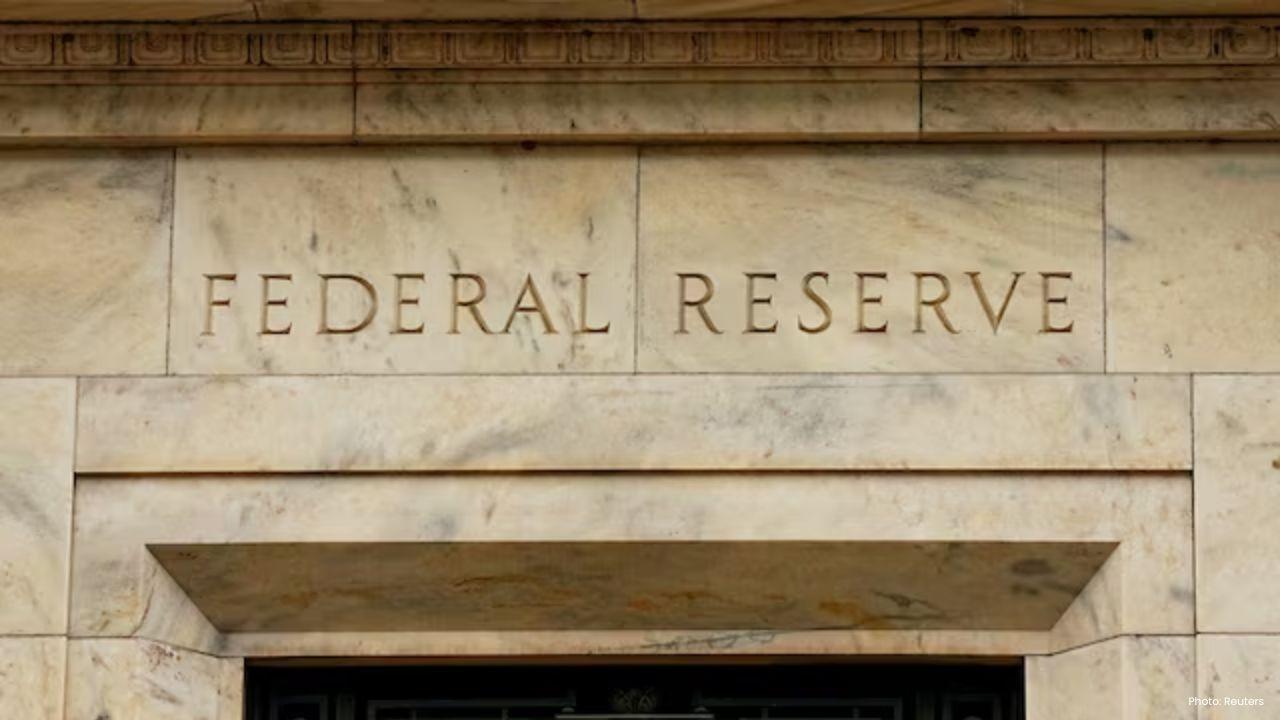
In a move that could reshape how large U.S. banks prepare for economic shocks, the Federal Reserve on Friday unveiled plans to overhaul its annual stress tests, aiming to make the process more transparent and predictable. The changes, approved by the Fed’s Board of Governors, respond to long-standing industry complaints that the tests are opaque, inconsistent, and burdensome.
For years, banks have argued that the lack of clarity around stress test assumptions and models made capital planning difficult, sometimes limiting lending, dividends, and share buybacks. Under the proposed changes, banks will receive more insight into the Fed’s testing methods, including once-confidential models and the hypothetical economic downturns that serve as the test’s benchmark.
A Win for Banks, but Not Without Concerns
The proposal has been welcomed by major banking groups such as the Bank Policy Institute and the American Bankers Association, who have long lobbied for more predictability in the annual exercise. By reducing year-to-year volatility in stress test results, banks could more accurately set aside capital and deploy excess funds, potentially stimulating economic growth.
Yet, not everyone is convinced. Some Fed officials, including Governor Michael Barr, have expressed concern that making so much information public could weaken the test’s credibility. Critics argue that banks may optimize their balance sheets to meet minimum capital requirements, potentially reducing the cushion meant to protect against losses in a severe downturn.
Historical Context and Implications
The Fed introduced annual stress tests after the 2008 financial crisis to assess whether large banks could withstand severe economic scenarios. The results directly affect the "stress capital buffer" each bank must maintain to absorb potential losses. Analysts believe that the proposed transparency changes could stabilize these requirements, allowing banks to better plan capital usage and manage risk.
The Fed will now solicit public feedback on the proposed revisions before finalizing the overhaul, signaling a significant shift toward openness in one of the country’s most critical financial safety mechanisms.








Alyssa Healy Announces Retirement, To Play Final Matches Against India
Alyssa Healy to retire after India series, ending a 15-year career with 3,563 ODI runs, 275 dismissa

Malaysia to Take Legal Action Against X Over AI Chatbot Grok Safety
Malaysia’s regulator warns X over AI chatbot Grok, citing user safety risks from sexualized image cr

Rashami Desai Opens Up About 8-Year Battle With Depression
TV actress Rashami Desai reveals how work helped her heal from an eight-year-long struggle with depr

Myanmar Polls Proceed as Junta Chief Min Aung Hlaing Looms Large
Though not on the ballot, junta leader Min Aung Hlaing dominates Myanmar’s election amid civil war,

Greenland Annexation Bill Proposed to Strengthen US Arctic Control
A new US bill proposes Greenland's annexation and statehood to secure Arctic dominance and curb Chin
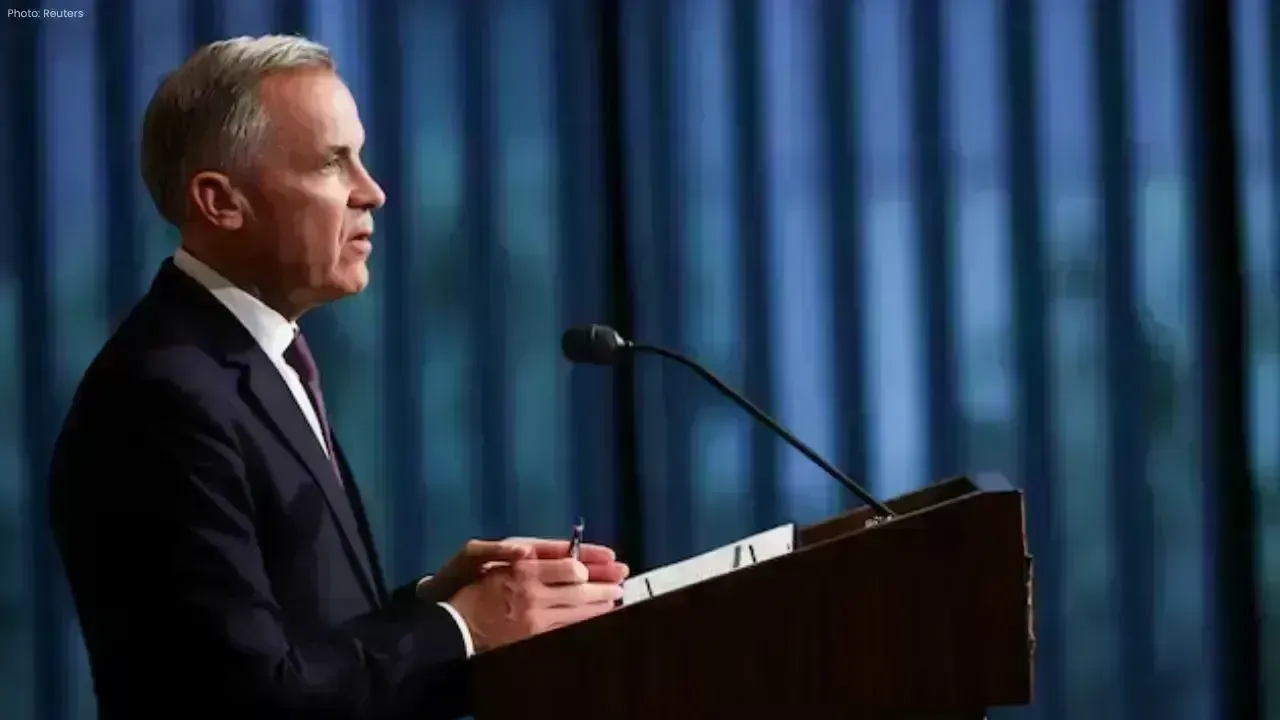
Canada’s PM Mark Carney Begins Key China Visit Amid Trade Tensions
Canada’s PM Mark Carney visits China to strengthen trade and security ties amid strained U.S. relati