
You have not yet added any article to your bookmarks!
Join 10k+ people to get notified about new posts, news and tips.
Do not worry we don't spam!
Post by : Rameen Ariff
India now confronts a hefty 50% tariff on exports to the United States, a significant portion of which allegedly targets India's purchases of Russian oil. These new tariffs are exerting immense stress on crucial sectors including textiles, jewellery, seafood, leather, and engineering, which collectively provide jobs for millions of Indians. As the largest democracy in the world maintains its trade equilibrium while addressing its energy requirements, the escalating trade tensions between the US and India are becoming a focal point in global economic discussions.
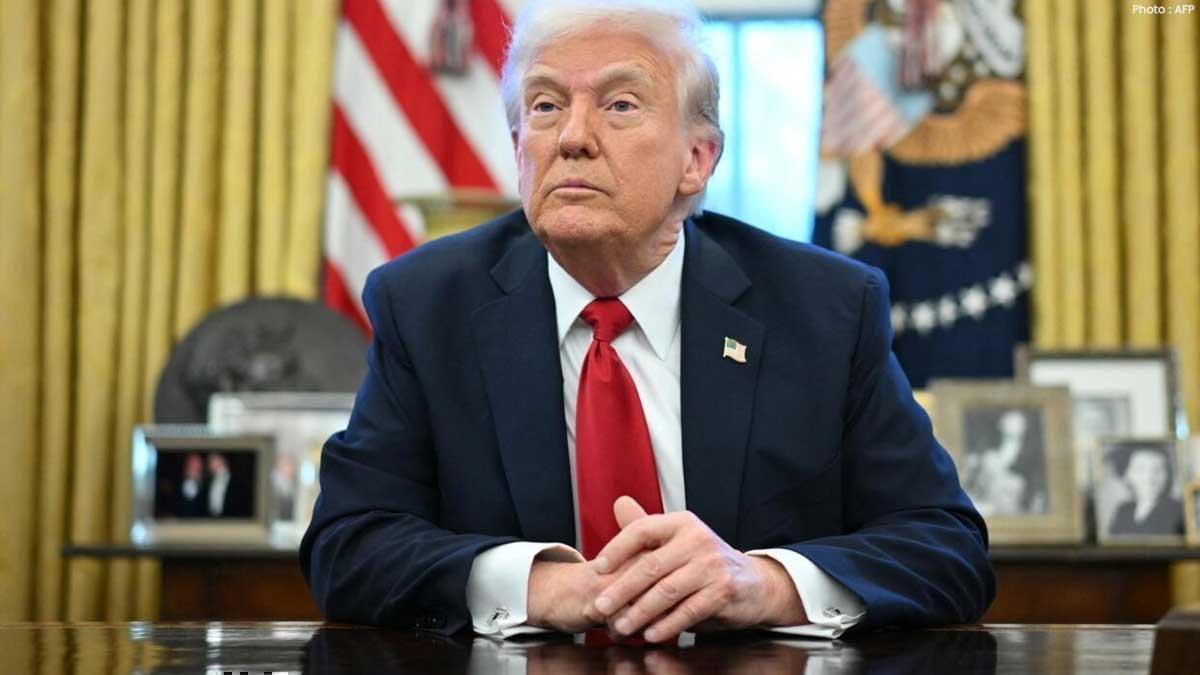
Recently, President Trump indicated he discussed trade matters with Prime Minister Narendra Modi. During their exchange, Modi is said to have committed to reducing oil imports from Russia. This assurance followed the latest sanctions imposed by the US on leading Russian oil firms, which compelled Indian oil refiners—regular buyers of budget-friendly Russian oil—to significantly decrease their import volumes. This shift could potentially eliminate a major hurdle obstructing the long-awaited US-India trade agreement.
The trade conflict encompasses critical areas such as energy, agriculture, and market accessibility. At present, India's exports to the US face punitive tariffs of 50%, but Washington is contemplating lowering this figure to approximately 15-16%, contingent upon India's compliance with essential concessions related to energy and agricultural imports. Notably, the tariffs are not merely economic tactics; they serve as political instruments intended to compel India to modify its oil trade regulations and open its markets to US products.
Key contention points in these trade discussions include agricultural goods like corn and soybeans. The US, a leading producer of genetically modified (GM) crops, has been pressing India to relax its restrictions on corn imports. However, India is cautious, as it currently has limitations on ethanol production derived from imported grains and forbids GM food crops. Washington contends that any corn exports to India would be allocated solely for ethanol blending, not for human consumption, while India seeks to safeguard its domestic farmers and regulations.
The issue of soybeans and soymeal has also gained traction amidst the trade dispute between the US and China, making US soybeans less affordable for the latter and leaving American farmers with surplus produce. The Trump administration hopes to boost oilseed imports from India, especially given the nation’s significant cattle population and rising demand for animal feed. Nevertheless, local soybean producers in India have firmly opposed such imports, arguing that they would jeopardize the interests of domestic oilseed farmers and disrupt local market stability.
Despite mounting US pressure, India remains steadfast in its stance against allowing substantial imports of corn, soybeans, and dairy products, citing the necessity of protecting small-scale farmers’ livelihoods. Experts suggest that while India might consider limited imports of specific goods, large concessions could lead to political repercussions. With key assembly elections on the horizon in Bihar—one of India’s primary corn-producing regions—allowing US corn into the market could alienate rural constituencies, adding a layer of political complexity.
Moreover, India's ethanol sector raises concerns that introducing US corn could interrupt its supply chain. The nation has significantly invested in bolstering its ethanol capabilities to achieve energy independence, and officials report that current domestic output is already surpassing demand. Permitting US corn imports could undermine these achievements and hinder India’s long-term energy aspirations.
At the core of the US-India trade tensions is a multifaceted interplay of diplomacy, economics, and domestic political dynamics. India is striving to ensure access to affordable Russian oil while simultaneously protecting its local economic sectors, whereas the US is focused on creating new market opportunities for its farmers and energy producers. The road toward a US-India trade agreement remains fraught with uncertainty, though both parties appear inclined to balance cooperation and competition.
As India maneuvers through the dual challenges posed by steep US tariffs and increasing global pressures regarding Russian oil imports, the upcoming months are pivotal in shaping the trajectory of US-India trade relations—an affiliation that has the potential to alter global trade patterns for years to come.





Michael Bracewell Chooses Casual Contract, Targets BBL Opportunity
Michael Bracewell moves to a casual contract as he eyes a BBL opportunity while remaining available

Tuchel Says Alex Scott Can Challenge Declan Rice for England Midfield Spot
Thomas Tuchel says Alex Scott can challenge Declan Rice for an England midfield place after his impr

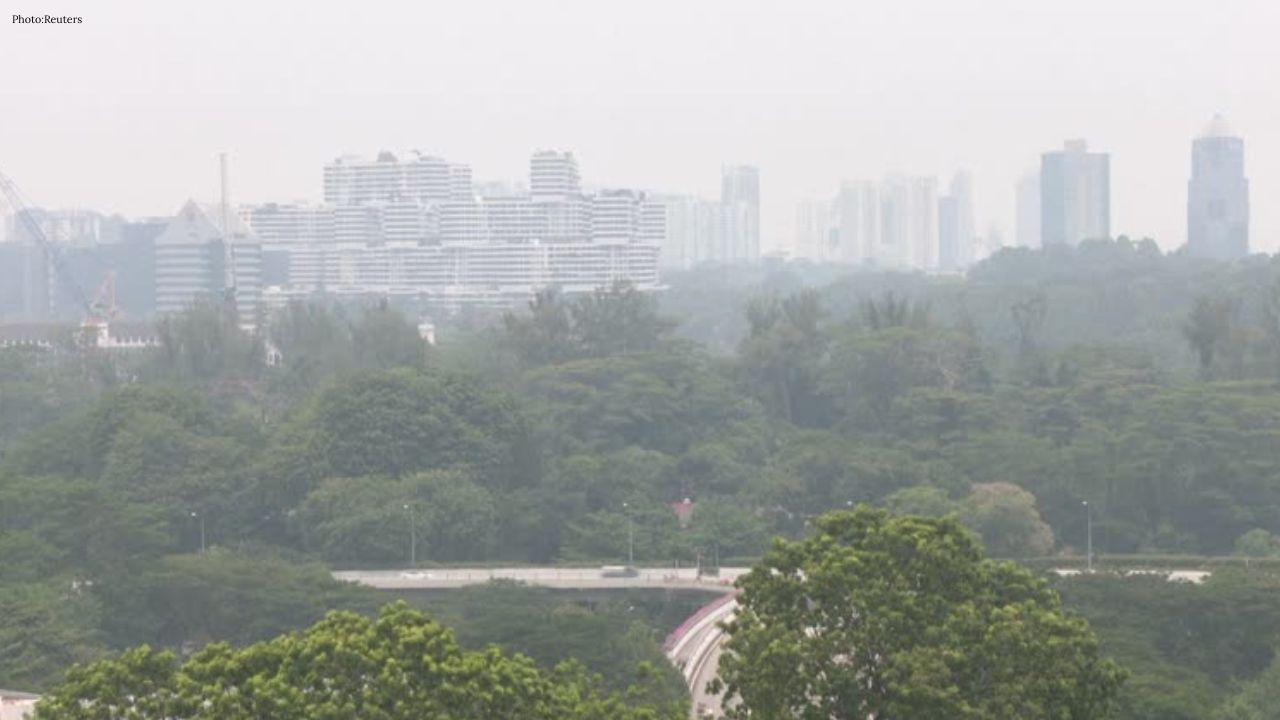
Air Quality Turns Unhealthy in Central and Western Singapore Amid Haze
Singapore haze pushes PSI above 100 in central and western areas as smoke from regional hotspots rai

PM Modi Pays Tribute to Mahatma Gandhi, Urges People to Support Khadi
PM Modi pays tribute to Mahatma Gandhi on Gandhi Jayanti and urges citizens to support Khadi and the

Amazon Seeks to Offload $8 Billion in Nvidia Chips to Investors
Amazon plans to move $8 billion in Nvidia chips to investors, using a new financing model to strengt

Samsung Raises Galaxy S26 Prices as Memory Chip Costs Rise
Samsung raises Galaxy S26 prices in South Korea as rising memory chip costs put pressure on smartpho

