
You have not yet added any article to your bookmarks!
Join 10k+ people to get notified about new posts, news and tips.
Do not worry we don't spam!
Post by : Saif Rahman
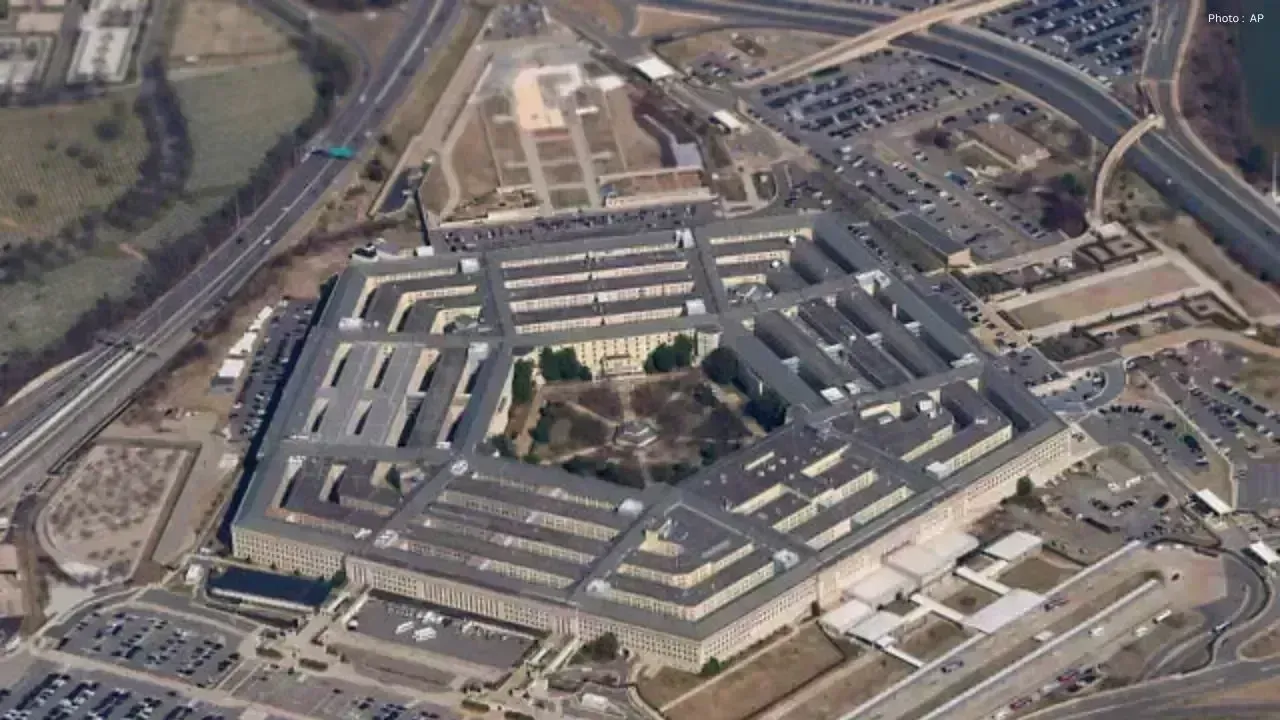
The close-knit alliance between Israel and the United States is now facing scrutiny after a Pentagon report indicated escalating worries about Israeli intelligence operations directed at American interests. This alarming claim has been made as the two nations navigate contrasting views on the ongoing conflicts in the Middle East, illustrating that even deeply allied partners can experience friction when national goals diverge.
This report has sparked considerable dialogue since Washington and Jerusalem are recognized as having one of the world’s strongest strategic partnerships. Over several decades, both nations have collaborated extensively on defense, intelligence exchange, military coordination, and enhancing regional security. Their alliance has played a pivotal role in influencing Middle Eastern affairs and is often viewed as a cornerstone of U.S. policy in the area.
As per the report, certain parts of the U.S. defense community have voiced growing concerns as differences developed regarding military strategies and political decisions related to the ongoing regional turmoil. While specifics are scant, it appears American officials have become more vigilant regarding safeguarding classified information during a period marked by policy disagreements between the two administrations.
If these reports hold true, they underscore how intelligence operations frequently prioritize safeguarding national interests irrespective of the strength of diplomatic ties. In global diplomacy, even allied nations monitor each other to gain insights into intentions, priorities, and future actions. This practice has been commonplace for decades, not confined to adversarial nations.
The sensitivity of this matter is amplified by the fact that intelligence sharing hinges on trust. Nations are willing to exchange crucial information if they believe it enhances security and addresses common threats. Any insinuation that sensitive data could be acquired without proper clearance understandably raises alarms among national security officials charged with protecting their nations' interests.
The report’s timing is also noteworthy. The Middle East remains one of the globe's most precarious regions, characterized by ongoing conflicts, military maneuvers, and diplomatic hurdles affecting numerous nations. During these tumultuous times, countries often face challenging choices regarding strategy, military objectives, and long-term political goals. Discrepancies in views among allies can become more pronounced under pressure on regional security.
For the U.S., the pursuit of stability while safeguarding its strategic goals remains a top priority. American policymakers must juggle support for allies while considering broader regional security, diplomatic relations, and global interests. Actions taken in Washington often carry implications that resonate well beyond the Middle East.
Israel, for its part, is continuously confronted with significant security challenges and prioritizes intelligence gathering and military readiness. National leadership frequently underscores the necessity of comprehensive data to shield the country from potential threats. Such security imperatives influence many decisions made by defense officials.
While reports of intelligence-based concerns may draw considerable focus, they do not necessarily indicate a crumbling relationship between these allied countries. Historical context reveals that alliances often endure phases of disagreement without sustaining long-lasting damage. The U.S. and Israel have experienced policy clashes in the past concerning settlements, military actions, peace negotiations, and regional strategies. Despite these differences, collaboration generally endures.
The report’s broader importance lies in its reflection of contemporary international relations. Alliances are seldom formed through complete consensus. Instead, they are established on shared interests, mutual advantages, and ongoing communication. Partners may disagree on certain policies while continuing to work collaboratively in other spheres.
This also stresses the need for accountability within national security frameworks. Defense organizations are tasked with identifying potential hazards, safeguarding classified information, and ensuring that governmental decisions are founded on precise evaluations. Reports that such concerns have been elevated illustrate the seriousness with which security professionals regard their responsibilities.
Throughout the Middle East, governments and analysts are closely monitoring the dynamics between Washington and Jerusalem. The partnership between the two nations impacts military strategies, diplomatic maneuvers, and regional power relationships. Any indication of discord naturally garners attention due to its potential repercussions on wider geopolitical developments.
However, scant evidence suggests that their overall partnership is on the brink of a fundamental collapse. Strong ties in military cooperation, economic relations, and shared strategic aims continue to connect the two nations. Resilient alliances are capable of weathering disagreements, recognizing the long-term benefits of collaboration.
Pentagon concerns illuminate the enduring nature of trust in international relations. Even among close allies, governments must consistently strive to uphold confidence, shield sensitive information, and navigate policy differences through dialogue and diplomacy. As challenges persist across the Middle East, the capacity of both nations to address conflicts while fostering collaboration will be a crucial test of one of the world's most significant strategic partnerships.
#Global News #Global Updates #Israel news #Israel war #World News










PM Modi Pays Tribute to Mahatma Gandhi, Urges People to Support Khadi
PM Modi pays tribute to Mahatma Gandhi on Gandhi Jayanti and urges citizens to support Khadi and the

Amazon Seeks to Offload $8 Billion in Nvidia Chips to Investors
Amazon plans to move $8 billion in Nvidia chips to investors, using a new financing model to strengt

Samsung Raises Galaxy S26 Prices as Memory Chip Costs Rise
Samsung raises Galaxy S26 prices in South Korea as rising memory chip costs put pressure on smartpho

Lewis Hamilton Calls Singapore Grand Prix One of F1's Toughest Races
Lewis Hamilton discusses the demanding Singapore Grand Prix and brings Plus44 and Almave to Singapor

Denmark's Pandora Opens World's Largest Jewellery Factory in Vietnam
Pandora opens its largest jewellery factory in Vietnam, expanding global production, strengthening s

Gautam Gambhir Questions Batting-Friendly Pitches After India's Record ODI Chase
Gautam Gambhir questions batting-friendly ODI pitches after India’s record chase, calling for a bett

