You have not yet added any article to your bookmarks!
Join 10k+ people to get notified about new posts, news and tips.
Do not worry we don't spam!
Post by : Saif Rahman
The recent U.S. military action against a Venezuelan boat suspected of drug trafficking has ignited intense discussions both domestically and internationally. What initially seemed like a straightforward law enforcement measure at sea has spiraled into a complex dilemma surrounding legality, ethics, and political decision-making. As further details emerge, concerns intensify regarding whether the U.S. adhered to wartime protocols and whether this confrontation is escalating into a more significant conflict.
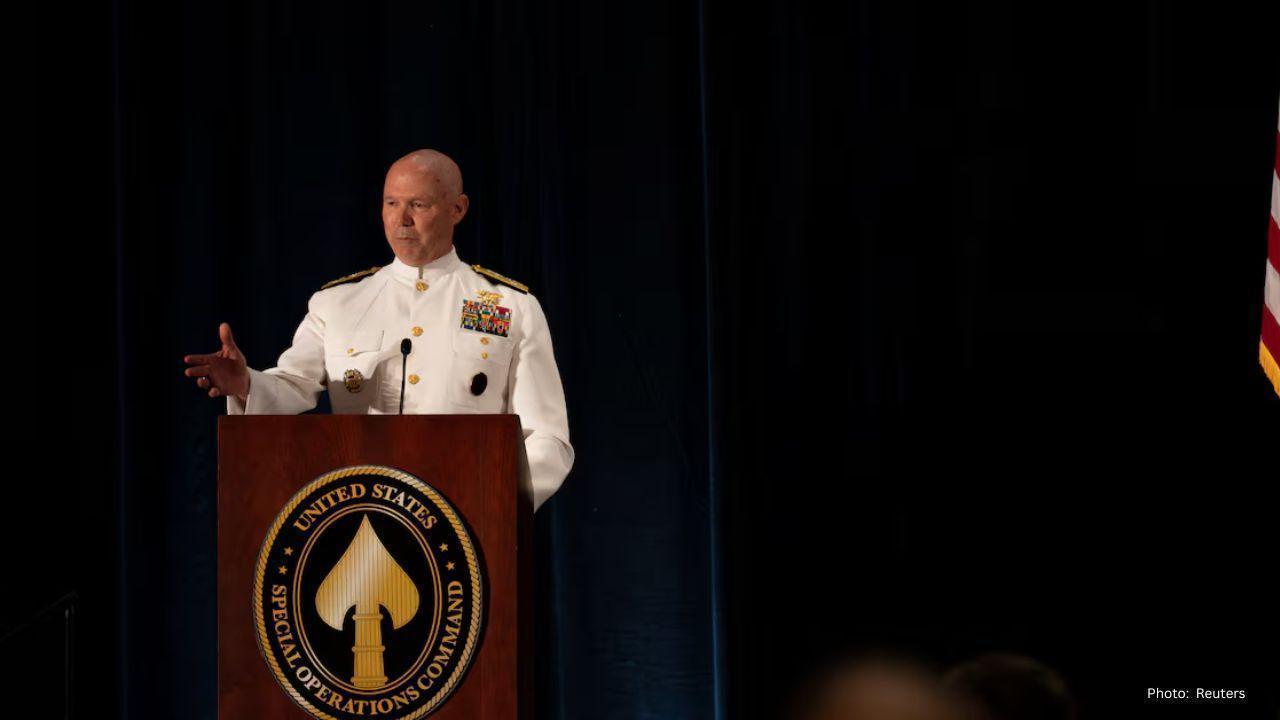
The Biden administration has staunchly defended the operations executed by Admiral Frank “Mitch” Bradley during the September 2 incident. They assert that Secretary of Defense Pete Hegseth authorized a complete strike against the Venezuelan vessel, which authorities claim was linked to narcotics laundering. The administration emphasizes that this intervention occurred within international waters and was executed under the premise of self-defense.
However, controversy ignited when The Washington Post disclosed that a second strike was allegedly commanded after the initial attack, targeting the two survivors aboard. Sources indicate that the directive may have stemmed from a policy against allowing any survivors. This revelation has horrified numerous legal analysts and lawmakers.
President Biden himself stated that he would not have endorsed targeting survivors. Conversely, Hegseth refuted claims of issuing a kill order for those on board. Nevertheless, the White House clearly affirmed that Hegseth empowered Bradley to proceed with his decisions, stating they were “within legal boundaries.”
Since the onset of September, the U.S. military has reportedly executed at least 19 strikes against potential drug trafficking boats in the Caribbean and Pacific, resulting in approximately 76 fatalities. Detractors from across the political spectrum express concern regarding the ambiguous regulations governing these operations, with fears that the U.S. may inadvertently enter an undeclared war.
International humanitarian law unambiguously outlines that individuals who are shipwrecked, injured, or otherwise unable to fight cannot be targeted; they must receive assistance and medical attention unless they exhibit new aggression. Legal experts assert that this situation does not fulfill the criteria for armed conflict, and thus any further killings beyond self-defense may be deemed unlawful.
Laura Dickinson, a prominent law scholar at George Washington University, elaborated that most legal professionals view these maritime operations as separate from armed engagement. According to her, lethal force should only be sanctioned if there exists a grave and imminent threat that cannot be averted. Targeting survivors in this scenario may constitute a war crime, even amidst war.
A coalition of former military lawyers, known as the JAGs Working Group, emphasized the gravity of the potential shoot-to-kill order, labeling it “clearly illegal,” asserting that military personnel are obliged to reject unlawful commands. They asserted that any individual who knowingly complies with such a directive should face legal consequences.
In light of backlash, Hegseth took to social media, calling Admiral Bradley an “American hero.” He reaffirmed his support for Bradley “100%” and defended all decisions made during the September 2 operation.
This unfolding saga coincides with President Biden deliberating stricter measures against Venezuela. U.S. officials contend that President Nicolás Maduro is permitting drug trafficking groups significant freedom, with substances negatively impacting American societies. Maduro disputes these claims, alleging the U.S. exploits drug allegations to rationalize military pressure.
Recently, Biden declared that Venezuela’s airspace should be regarded as “closed,” yet did not clarify its implications, invoking confusion in Caracas and raising fears that a broader military engagement may be in the cards.
Moreover, Biden verified that he recently engaged in dialogue with Maduro but withheld specifics about their exchange. Meanwhile, U.S. security officials are reportedly weighing several options, including regime change initiatives targeting Maduro. An apparent bolstering of U.S. military resources in the Caribbean suggests preparatory measures for a more extensive operation may already be under consideration.
Additionally, reports indicate that Biden has given the green light for covert CIA missions in Venezuela, suggesting that intelligence agents may currently be executing clandestine operations aimed at destabilizing Maduro’s regime or dismantling illicit networks.
These developments spark crucial discussions regarding the trajectory of U.S. policies centered on Venezuela. If military actions persist without clear legal frameworks, further incidents like the September strike are likely to occur, each presenting new challenges about military ethics, accountability, and adherence to international law.
As this situation evolves, transparency is imperative. If the U.S. genuinely intends to counter drug trafficking and safeguard its citizens, such efforts must adhere to human rights standards and international regulations. The battle against illegal drugs must not morph into a conduit for military maneuvers resembling wartime actions without formal declarations or public discourse.
Presently, Congress has pledged to investigate both this incident and the broader military initiative. This inquiry is essential, as the American public deserves clarity regarding the appropriate use of lethal force and whether the nation is being dragged into conflicts devoid of precise boundaries.
Simultaneously, Maduro’s administration needs to address allegations of drug-related corruption seriously. The plight of Venezuelan citizens, many grappling with deep poverty and political oppression, must not be sidelined.
This incident serves as a stark illustration of how multifaceted and perilous global security issues can be. A single naval decision can catalyze debates on morality, legality, and the future course of U.S. foreign policies. Washington must proceed cautiously, just as those who lead the nation’s military operations must exercise judicious command. The international community will be keenly observing the ensuing developments.





Trump Plans First Meeting of New Peace Board in Washington This February
Former U.S. President Donald Trump is reportedly preparing to convene the inaugural session of a new

Apple’s iOS 26.3 Update Is Here — Why Millions of iPhone Users Should Install It Now
Apple has rolled out iOS 26.3 as a critical update for eligible iPhones, bringing important security
Pam Bondi’s Explosive Epstein Hearing: Four Moments That Defined the Testimony
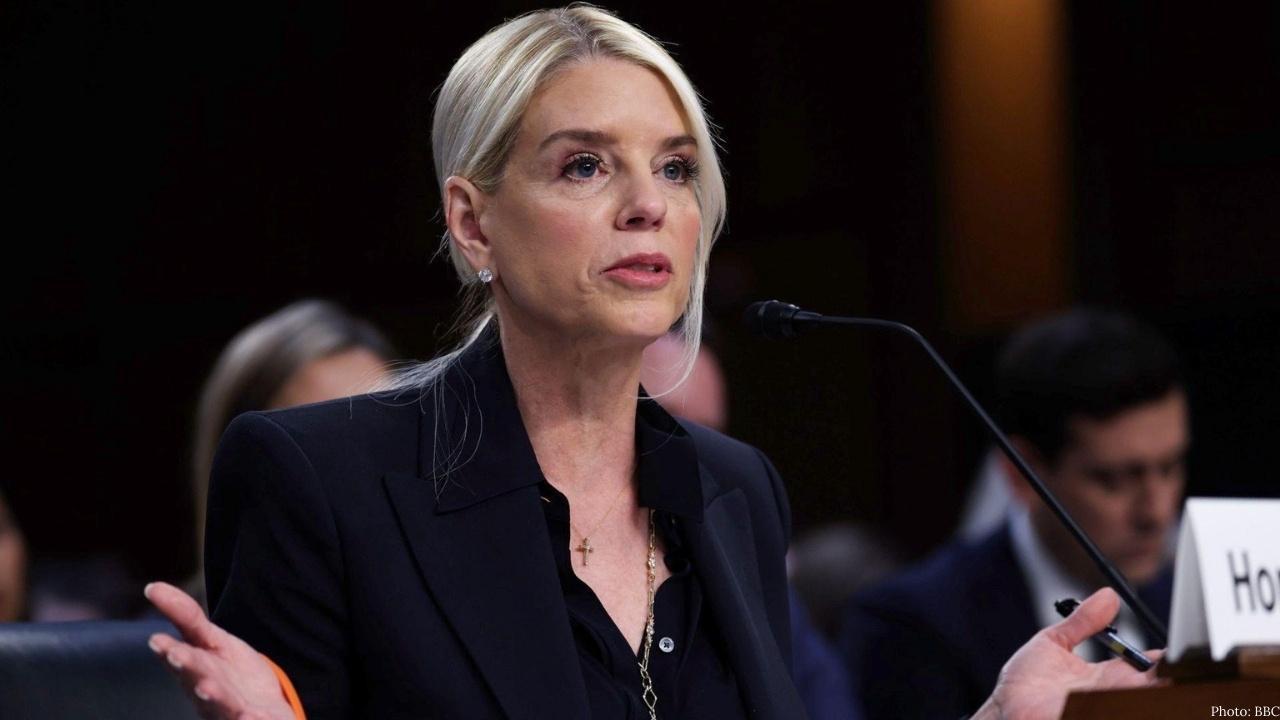
US Attorney General Pam Bondi faced intense questioning in a House Judiciary Committee hearing that
Epic T20WC Thriller: South Africa Triumphs Over Afghanistan in Double Super Over Clash
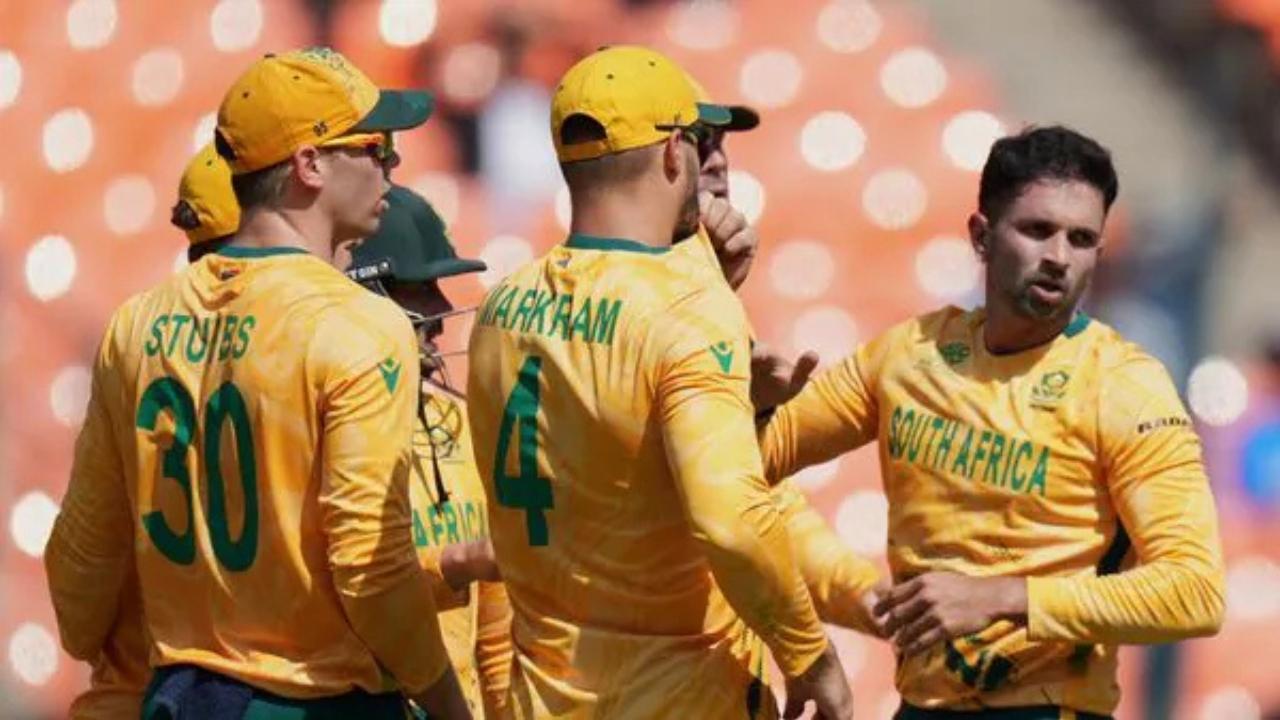
An exhilarating account of one of the most dramatic matches in ICC Men’s T20 World Cup 2026 history,
Abhishek Sharma Hospitalised With Stomach Infection, Doubtful for India’s T20 World Cup Match Against Namibia
Indian opening batter Abhishek Sharma has been hospitalised with a stomach infection and is unlikely
Mass Shooting in British Columbia Leaves 10 Dead in One of Canada’s Deadliest Attacks
A tragic mass shooting at a high school and nearby residence in Tumbler Ridge, British Columbia, has