You have not yet added any article to your bookmarks!
Join 10k+ people to get notified about new posts, news and tips.
Do not worry we don't spam!
Post by : Saif Rahman
The United States has officially notified the United Nations of its plan to impose sanctions aimed at halting resources to Venezuelan President Nicolas Maduro and the drug cartel known as Cartel de Los Soles. This announcement incites heightened tensions in Latin America, as Russia and China caution that these US measures threaten to create a troubling precedent.
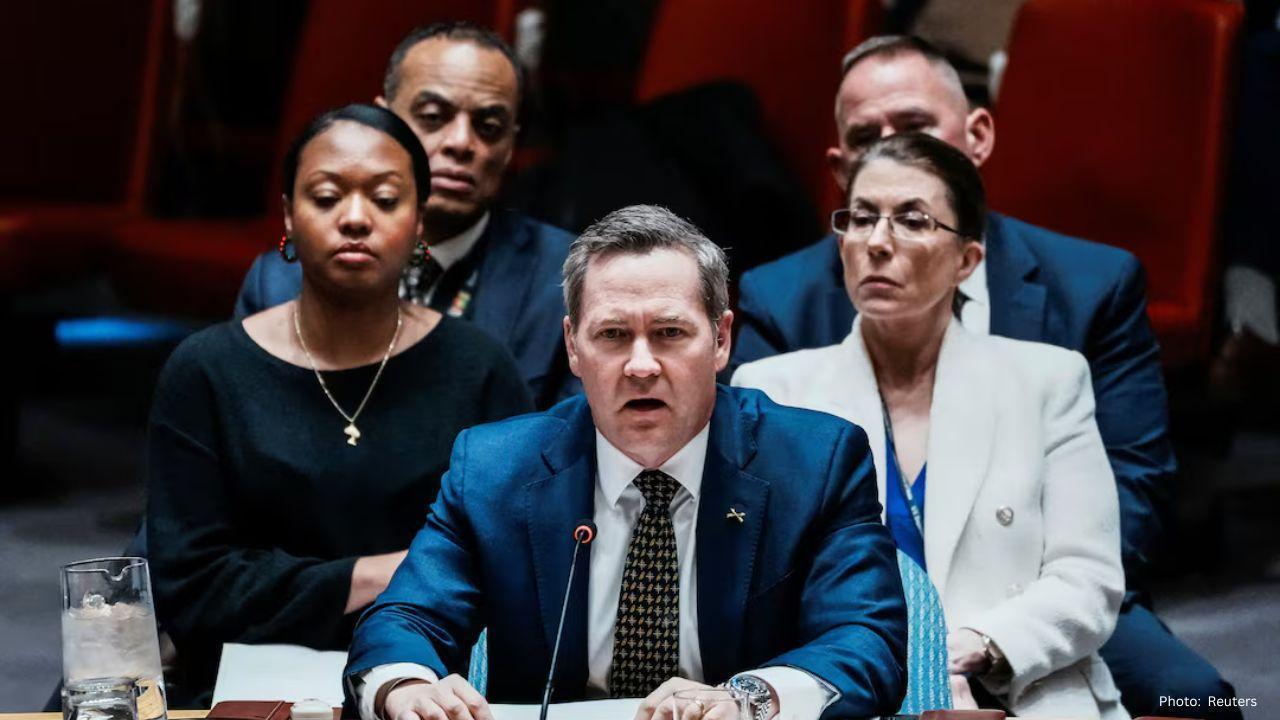
U.S. Ambassador to the UN, Mike Waltz, declared that transnational criminal organizations and terrorist groups represent the “most critical threat” to the Western Hemisphere. He emphasized that Maduro's government is significantly dependent on oil exports, which also fuel the cartel’s operations. The U.S. has ramped up its military presence in the Caribbean and Latin America, including a blockade against sanctioned vessels.
The U.S. Coast Guard recently halted two oil tankers loaded with Venezuelan crude and is monitoring another vessel approaching Venezuela’s waters. The goal is to sever connections between Maduro and the cartel, which has been labeled a foreign terrorist organization by the U.S. due to its drug trafficking activities.
Venezuela has vehemently rejected the U.S. allegations, labeling the cartel as “non-existent” and accusing the U.S. government of being the actual threat. Backed by Russia and China, Venezuela has sought a Security Council meeting to address the escalating situation.
Russia cautioned that U.S. initiatives might set a “template for future acts of aggression toward Latin American nations.” China has urged the U.S. to cease its actions to prevent further escalation. Venezuela’s UN ambassador, Samuel Moncada, remarked that it is “absurd” for the U.S. to invoke wartime rules, as there is no armed conflict present in the Caribbean.
This scenario illustrates the precarious equilibrium between implementing security strategies and upholding international diplomacy. While the U.S. argues that sanctions and military actions are vital to countering drug trafficking and diminishing Maduro's power, Venezuela, along with Russia and China, interprets these steps as aggressive provocations.
The ongoing standoff at the United Nations highlights the complexities of combating transnational crime and political unrest in Latin America. The responses from the U.S., Venezuela, and global powers in the weeks ahead will be instrumental in determining the future trajectory of the region.
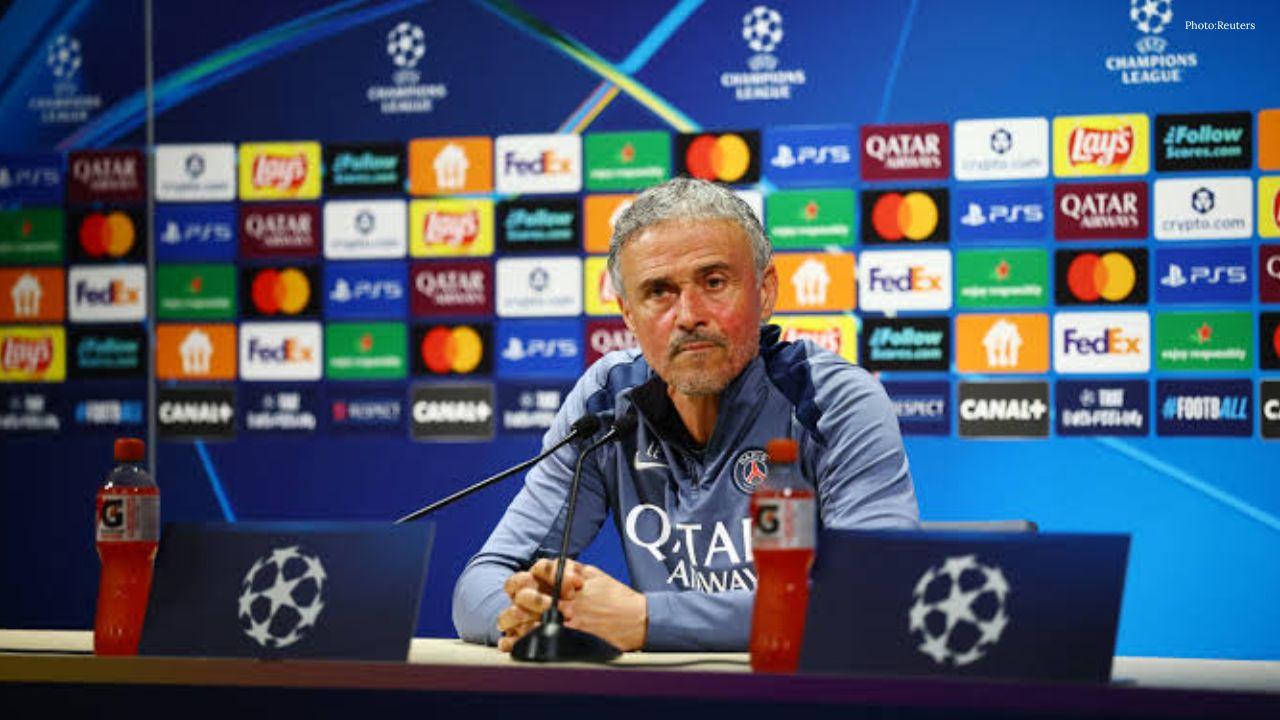

PSG Coach Luis Enrique Urges Players to Step Outside Comfort Zone
PSG coach Luis Enrique says players must leave their comfort zone and keep improving as the club tar

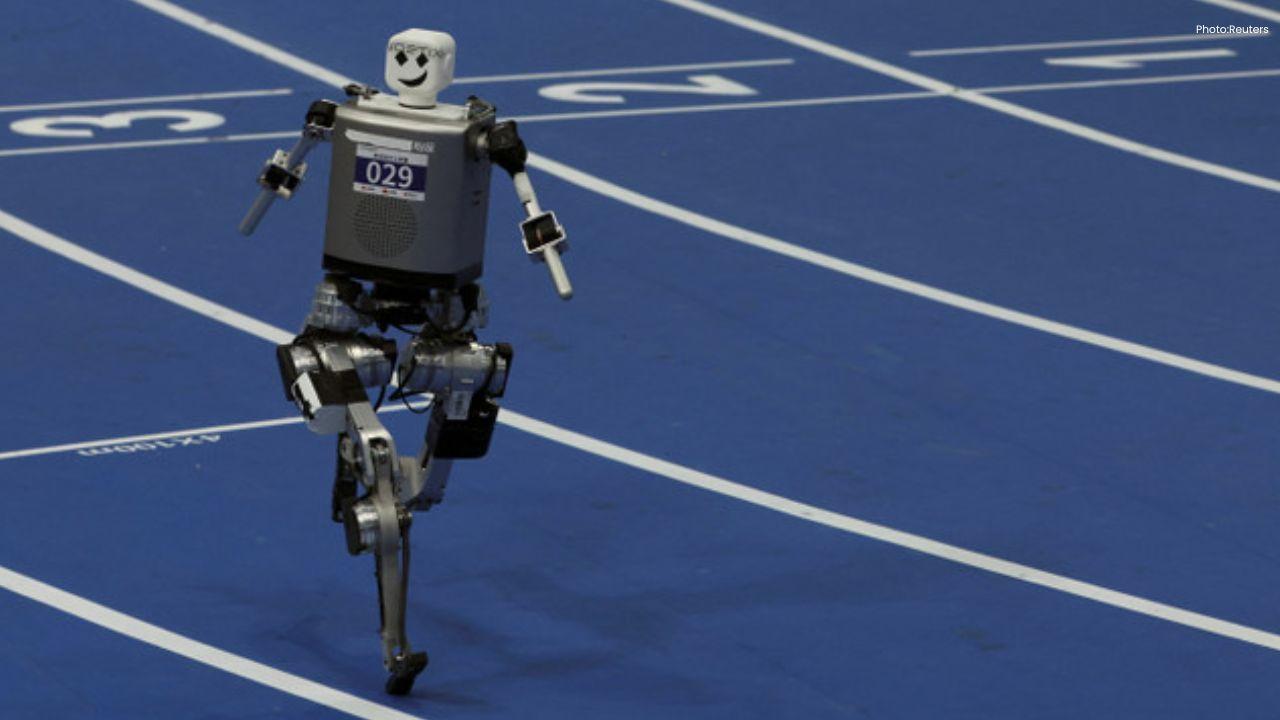
China’s Tiangong Sets New 400m Record at Robot Olympics
China’s Tiangong robot sets a new 400m record at the Robot Olympics, beating a South African robot i

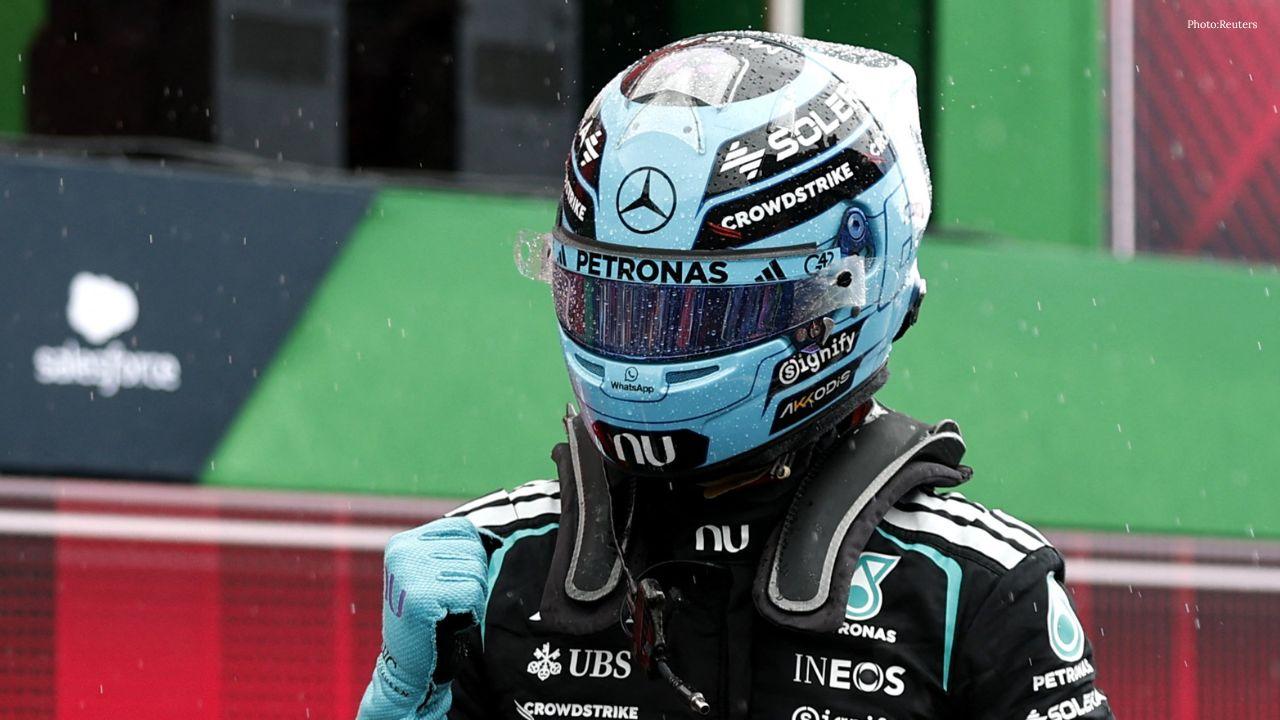
George Russell Wins Dutch GP Sprint, Boosts Mercedes Morale
George Russell wins the Dutch GP Sprint from pole as Mercedes teammate Kimi Antonelli extends his F1
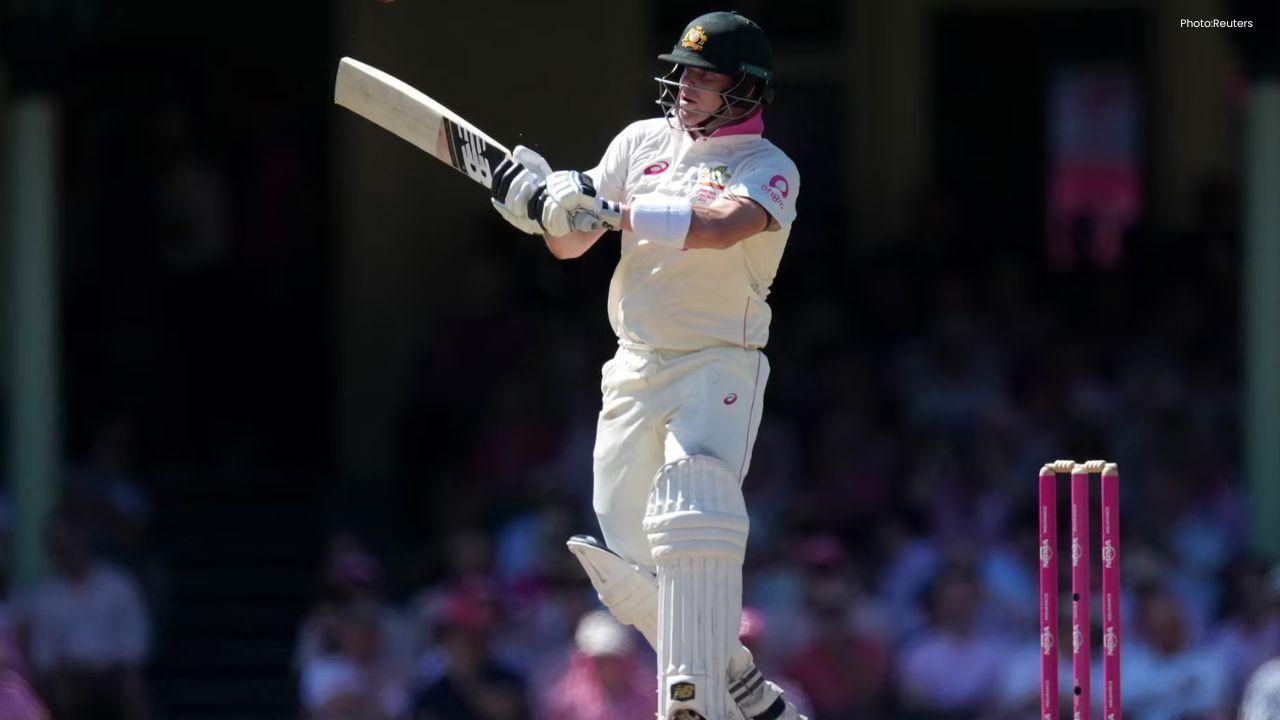
Australia 50/3 After Bangladesh Bowled Out for 64 in Second Test
Australia reached 50/3 after Bangladesh were bowled out for 64 in the second Test, with Mitchell Sta
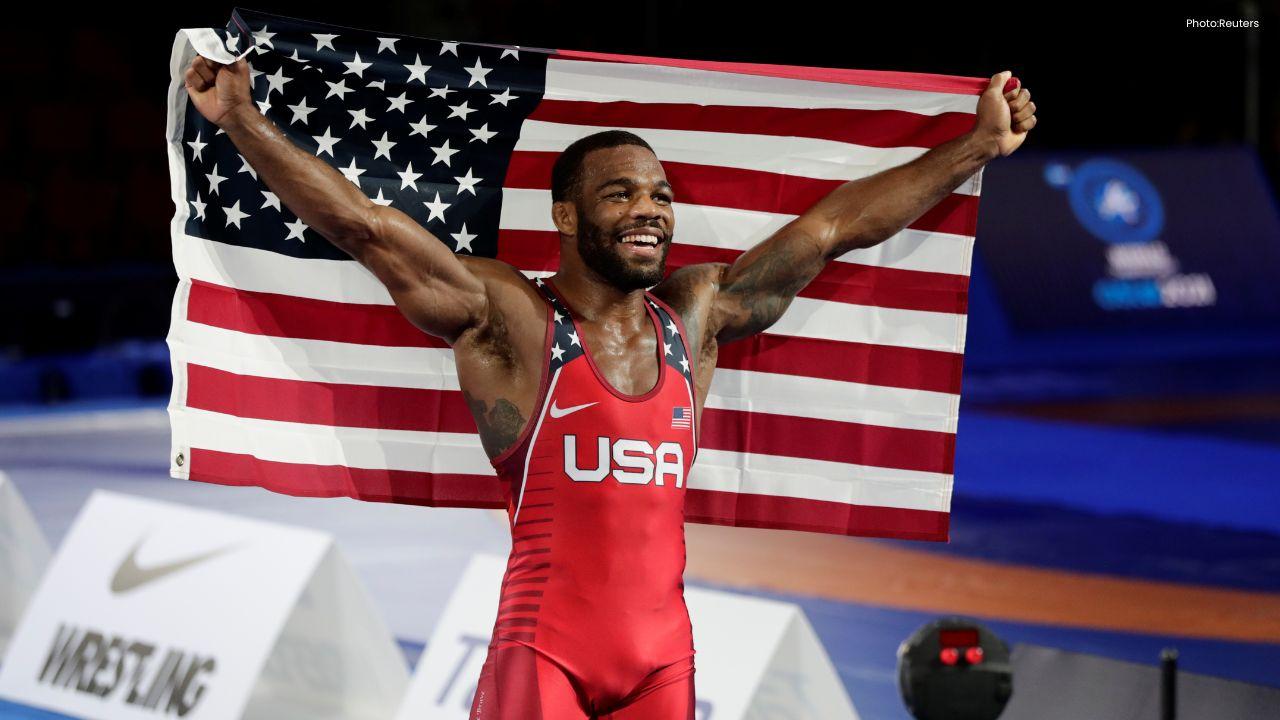
Jordan Burroughs Returns to Wrestling with 2028 Olympic Dream
Jordan Burroughs returns to wrestling with Real American Freestyle as the Olympic champion eyes a po
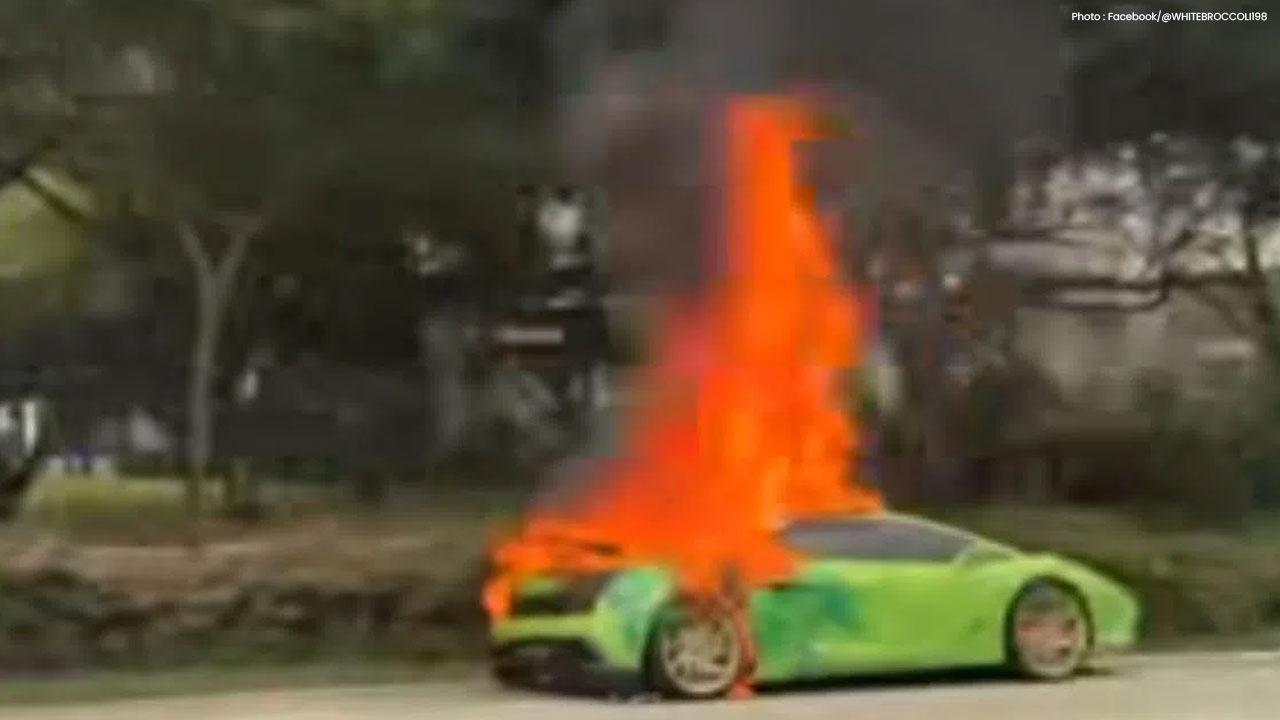
Lamborghini Catches Fire on Singapore's ECP, Causing Heavy Traffic
A Lamborghini caught fire on Singapore's ECP, causing heavy traffic and bus delays. No injuries were