
You have not yet added any article to your bookmarks!
Join 10k+ people to get notified about new posts, news and tips.
Do not worry we don't spam!
Post by : Shakul
Vietnam is entering a new phase of development as it focuses on building a digital and innovation driven economy. The government has introduced a major policy framework to shift the country from a labor based growth model to one centered on technology, knowledge, and creativity.
At the center of this transformation is Resolution 57, which highlights the importance of science, technology, innovation, and digital transformation. The policy aims to redefine how Vietnam grows by focusing on intellectual strength rather than relying only on resources and low cost labor.
Under the leadership of To Lam, the government has directed agencies to develop a new national development model. This model is expected to guide the country into a modern digital era where innovation becomes the key driver of progress.
Over the past decades, Vietnam has achieved rapid economic growth by attracting investment and using its workforce effectively. However, rising labor costs and global competition are now reducing these advantages, creating the need for a new approach.
The digital age has changed how countries compete. Success is no longer based on producing large quantities of goods but on creating high value products through innovation and technology. Countries that control knowledge and intellectual property are leading the global economy.
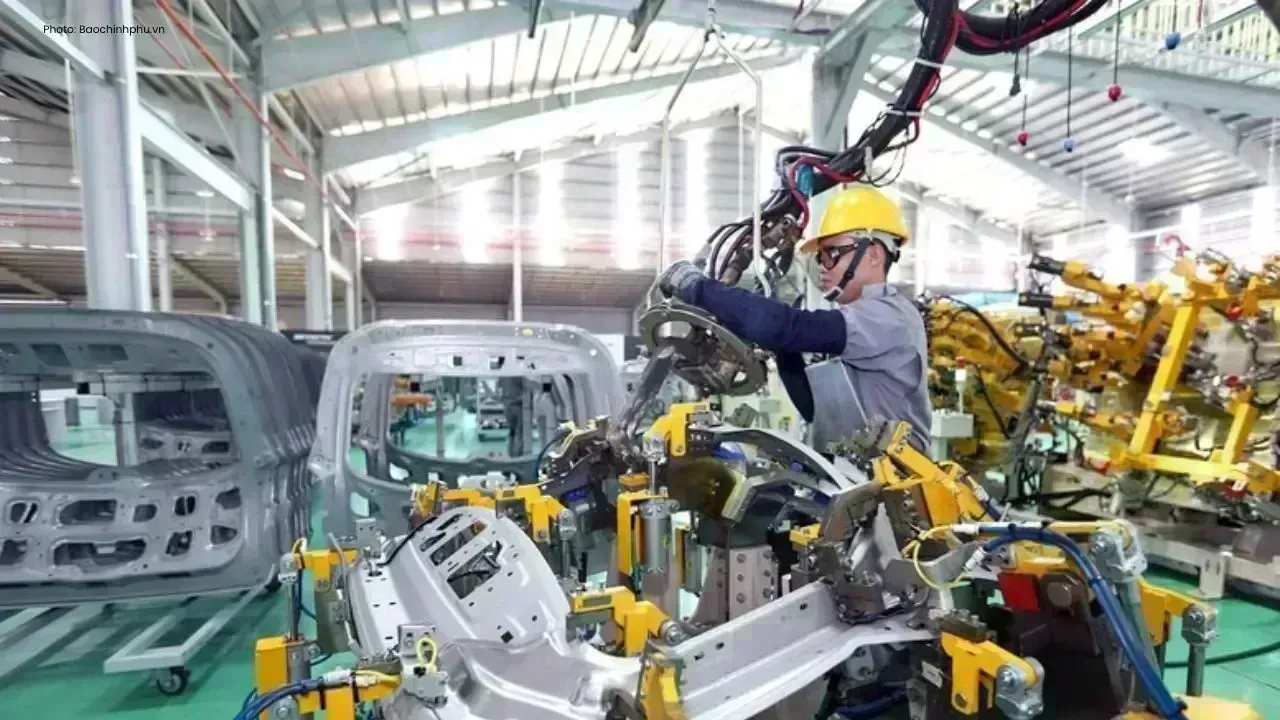
Vietnam now aims to move from being a manufacturing base to becoming an innovation hub. This means shifting from simple production to designing, developing, and owning technology. The goal is to increase the value created within the country.
A major part of this strategy is the development of core technologies. The government is encouraging investment in key technological areas that can strengthen national capacity and reduce dependence on foreign systems. This approach is seen as essential for long term growth and independence.
Education and human resource development are also central to this transformation. Vietnam plans to build a workforce that is creative, adaptable, and capable of working with advanced technologies. This will help the country compete globally in the future.
The government is also working to create a strong innovation ecosystem. This includes better policies, support for research and development, and cooperation between businesses, institutions, and the public sector to drive innovation.
Overall, Vietnam’s digital strategy represents a major shift in its development path. By focusing on technology, knowledge, and innovation, the country aims not only to participate in the global economy but also to play a leading role in shaping its future.
#China #Economy #Policy #Technology #Vietnam #policy statement










PM Modi Pays Tribute to Mahatma Gandhi, Urges People to Support Khadi
PM Modi pays tribute to Mahatma Gandhi on Gandhi Jayanti and urges citizens to support Khadi and the

Amazon Seeks to Offload $8 Billion in Nvidia Chips to Investors
Amazon plans to move $8 billion in Nvidia chips to investors, using a new financing model to strengt

Samsung Raises Galaxy S26 Prices as Memory Chip Costs Rise
Samsung raises Galaxy S26 prices in South Korea as rising memory chip costs put pressure on smartpho

Lewis Hamilton Calls Singapore Grand Prix One of F1's Toughest Races
Lewis Hamilton discusses the demanding Singapore Grand Prix and brings Plus44 and Almave to Singapor

Denmark's Pandora Opens World's Largest Jewellery Factory in Vietnam
Pandora opens its largest jewellery factory in Vietnam, expanding global production, strengthening s

Gautam Gambhir Questions Batting-Friendly Pitches After India's Record ODI Chase
Gautam Gambhir questions batting-friendly ODI pitches after India’s record chase, calling for a bett

