You have not yet added any article to your bookmarks!
Join 10k+ people to get notified about new posts, news and tips.
Do not worry we don't spam!
Post by : Saif Rahman
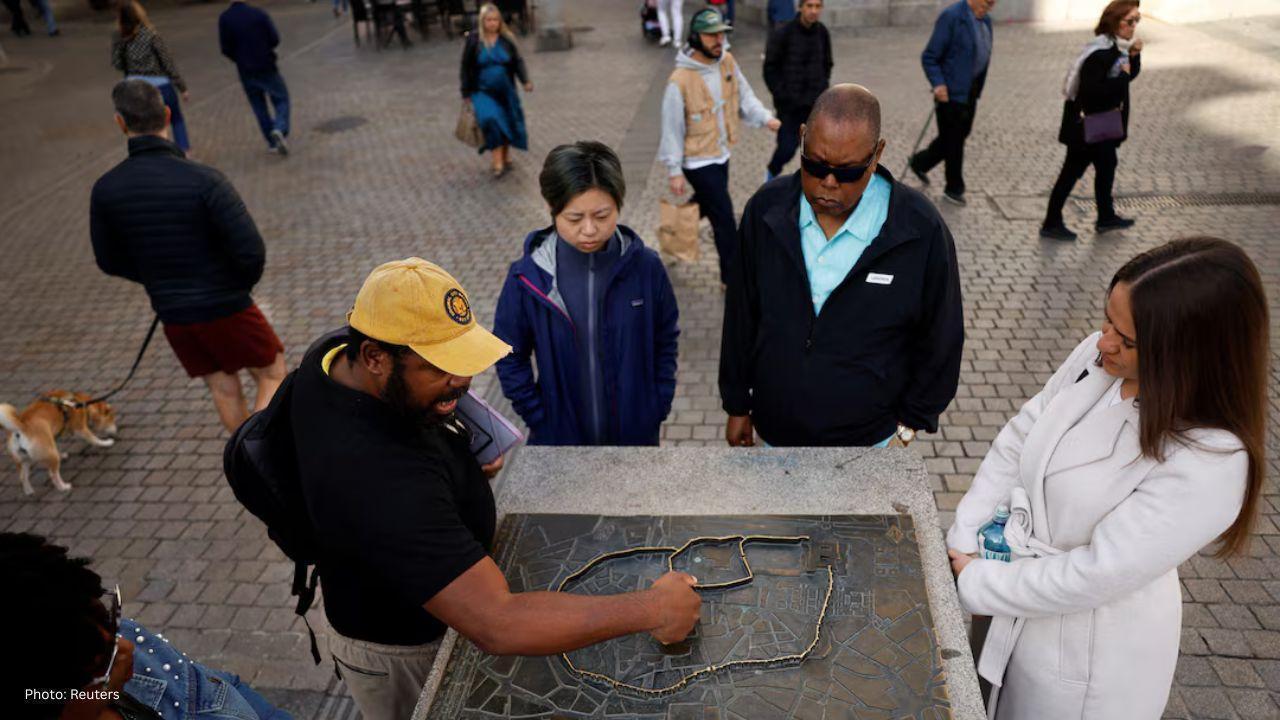
A fresh wave of walking tours in Madrid is allowing both locals and visitors to uncover a forgotten aspect of the city's past: its Black heritage. These tours delve into topics like African culture, the impacts of slavery, and Spain's colonial history, all of which are seldom addressed in educational settings.
Kwame Ondo, the mastermind behind AfroIberica Tours, launched these specialized outings in 2022. Having grown up in Spain, Ondo observed the conspicuous absence of Black narratives in Spanish history and felt compelled to explore this hidden chapter. “When you start to research, it becomes evident that this history has been silenced and erased,” he noted. Ondo’s roots trace back to Equatorial Guinea, a nation that was once under Spanish colonization and gained its independence in 1968.
The tours predominantly draw in foreign visitors, especially Black Americans, keen to uncover the unexplored narratives of African influences in Spain. Journeying through various landmarks, participants learn about the contributions of Afro-descendant populations that have shaped the city throughout its history.
Historian Antumi Toasije, affiliated with New York University’s Madrid campus, has pointed out that Spanish education neglects to acknowledge the presence of Africans in the country. “It’s as if there were never any, as if this phenomenon only emerged after Spain’s entry into the EU in the 1980s,” he stated, emphasizing the significant gap in understanding Spain’s colonial and slavery era.
Madrid Negro, or “Black Madrid,” approaches this narrative from an activist viewpoint. This collective links Spain’s economic growth directly to its history of slavery, using their tours as an instructive tool. Participants engage in activities such as decorating buildings with commemorative stickers, reciting Maya Angelou’s poem Still I Rise, and lighting candles to honor figures like Antonio Solis, who played a vital role in supporting impoverished Black families.
For members of Madrid Negro, this mission is both personal and pressing. Irene Marine, who has Haitian ancestry, expressed: “This touches my Afro-descendant identity because it has remained largely invisible. My other identity as a resident of Madrid makes me question: 'Why wasn’t I educated on this? Why was it omitted from my studies?'”
These walking tours are part of a larger movement across Europe, striving to confront and acknowledge historical injustices surrounding colonialism and slavery that have been historically overlooked. By shedding light on the experiences and contributions of Afro-descendent individuals, these efforts intend to rectify historical negligence, inform the public, and honor a heritage that has been often obscured.
In essence, Madrid’s walking tours provide an educational platform and a poignant reminder that history encompasses more depth and complexity than traditional narratives have typically revealed. They prompt all to engage with the city's past, fostering a culture of awareness, empathy, and a profound appreciation for Spain’s African influences.










Hyundai raises profit target, expands hybrid lineup in the US
Hyundai hybrid cars get a major boost as the automaker raises its profit margin target and plans new

Josh Kerr and Jakob Ingebrigtsen Set for 1,500m Rivalry Rematch
Josh Kerr and Jakob Ingebrigtsen will renew their 1,500m rivalry at the Ultimate Championship in Bud

PSG Coach Luis Enrique Urges Players to Step Outside Comfort Zone
PSG coach Luis Enrique says players must leave their comfort zone and keep improving as the club tar

China’s Tiangong Sets New 400m Record at Robot Olympics
China’s Tiangong robot sets a new 400m record at the Robot Olympics, beating a South African robot i

George Russell Wins Dutch GP Sprint, Boosts Mercedes Morale
George Russell wins the Dutch GP Sprint from pole as Mercedes teammate Kimi Antonelli extends his F1
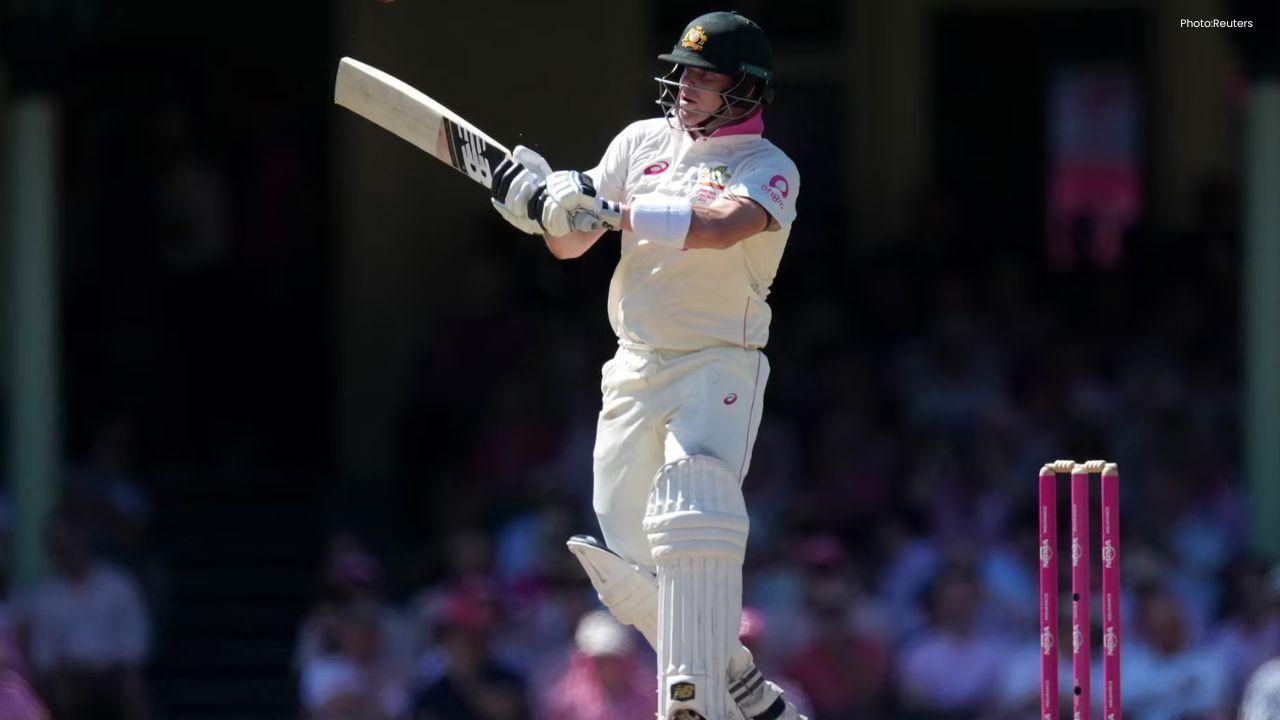
Australia 50/3 After Bangladesh Bowled Out for 64 in Second Test
Australia reached 50/3 after Bangladesh were bowled out for 64 in the second Test, with Mitchell Sta