
You have not yet added any article to your bookmarks!
Join 10k+ people to get notified about new posts, news and tips.
Do not worry we don't spam!
Post by : Saif Rahman
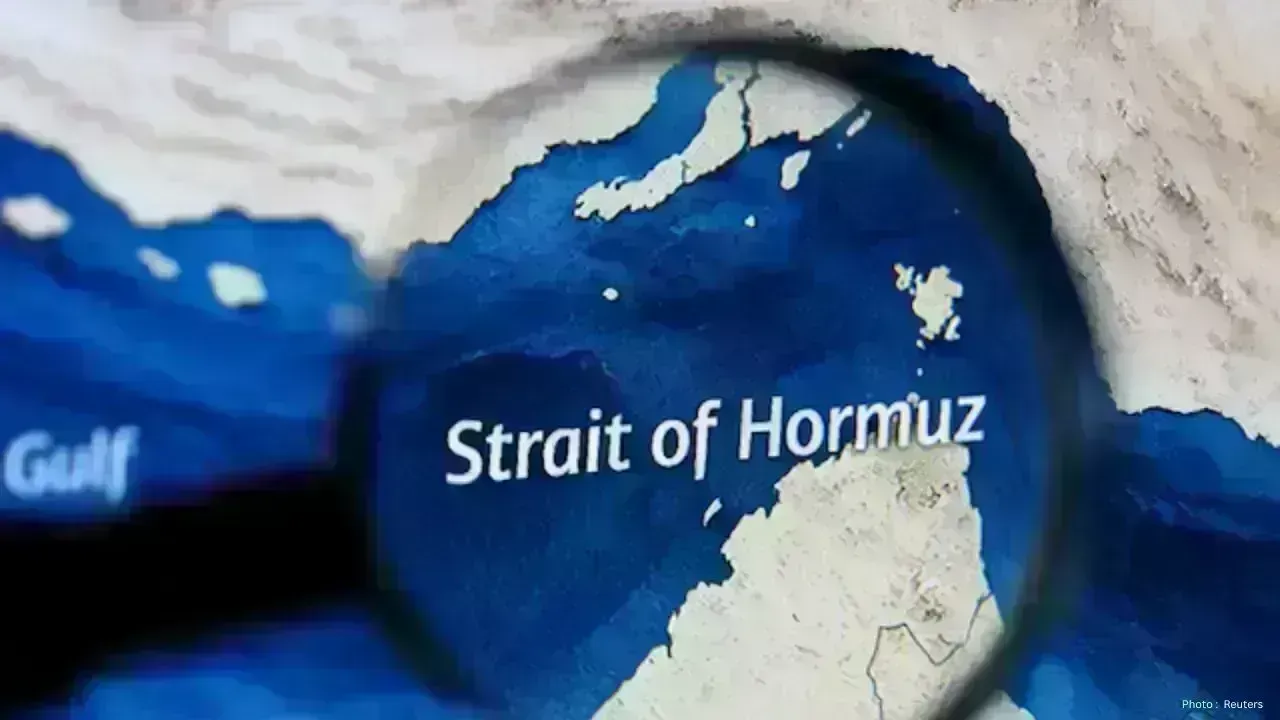
New scams are emerging, targeting the shipping sector with bogus messages that promise “safe transit” through the Strait of Hormuz. Security analysts have expressed their concerns that these misleading messages could lead to confusion and heighten risks in one of the globe's most critical maritime routes.
The Strait of Hormuz is pivotal for oil and international trade, linking the Persian Gulf to the broader ocean. Each day, a significant share of the world’s oil is transported through this narrow channel. Therefore, any disinformation or disruption here can have serious ramifications globally.
A maritime security firm reported that anonymous groups have been dispatching messages to vessels, asserting they can ensure safe passage through this region. Often masquerading as official communications and utilizing technical jargon, these messages are completely fabricated, meant to mislead ship operators.
The emergence of these scams coincides with heightened tensions in the region due to persistent geopolitical conflict. As a result, ship crews are on high alert and more inclined to seek safety measures. This fear has been exploited by fraudsters offering fake assurances.
Experts caution that adhering to these deceptive messages can be perilous. Ships may be diverted to unsafe waters or coerced into divulging sensitive information. In some instances, these scams could be connected to efforts to track or target vessels, posing significant risks to both crew and cargo.
Authorities strongly advise all shipping companies to disregard these messages, advocating for reliance on verified communication channels. Trusted contacts include government bodies and reputable maritime security organizations, with a strong recommendation to authenticate any unusual correspondence.
This incident underscores the escalating challenge of cyber threats confronting global trade. With the maritime industry becoming increasingly digitized, it is also more susceptible to online scams and misinformation. Experts argue that enhanced cybersecurity protocols are now crucial for safeguarding maritime operations.
For nations reliant on the oil and trade that navigates through the Strait of Hormuz, this situation is particularly concerning. Any ambiguity or disturbance in this region could swiftly disrupt supply chains and global energy markets.
Shipping companies are being urged to equip their personnel with the skills to identify such scams. Awareness is deemed the primary defense. By comprehending the workings of these scams, crews can effectively sidestep the traps set by con artists.
The scenario also highlights the need for improved international collaboration. Given that the shipping industry operates across numerous jurisdictions, nations and organizations must unite to share intelligence and respond swiftly to potential threats.
Although these scams may not entail direct aggressions, their implications can remain substantial. Misinformation in a high-risk zone may result in incorrect decisions, delays, and even mishaps.
This alert from security experts serves as a crucial reminder that the nature of modern threats transcends physical confrontations. In today’s environment, misinformation poses just as significant a risk as actual assaults. Staying vigilant, validating information, and relying on trusted sources are essential actions for ensuring safety on the seas.










PM Modi Pays Tribute to Mahatma Gandhi, Urges People to Support Khadi
PM Modi pays tribute to Mahatma Gandhi on Gandhi Jayanti and urges citizens to support Khadi and the

Amazon Seeks to Offload $8 Billion in Nvidia Chips to Investors
Amazon plans to move $8 billion in Nvidia chips to investors, using a new financing model to strengt

Samsung Raises Galaxy S26 Prices as Memory Chip Costs Rise
Samsung raises Galaxy S26 prices in South Korea as rising memory chip costs put pressure on smartpho

Lewis Hamilton Calls Singapore Grand Prix One of F1's Toughest Races
Lewis Hamilton discusses the demanding Singapore Grand Prix and brings Plus44 and Almave to Singapor

Denmark's Pandora Opens World's Largest Jewellery Factory in Vietnam
Pandora opens its largest jewellery factory in Vietnam, expanding global production, strengthening s

Gautam Gambhir Questions Batting-Friendly Pitches After India's Record ODI Chase
Gautam Gambhir questions batting-friendly ODI pitches after India’s record chase, calling for a bett

