You have not yet added any article to your bookmarks!
Join 10k+ people to get notified about new posts, news and tips.
Do not worry we don't spam!
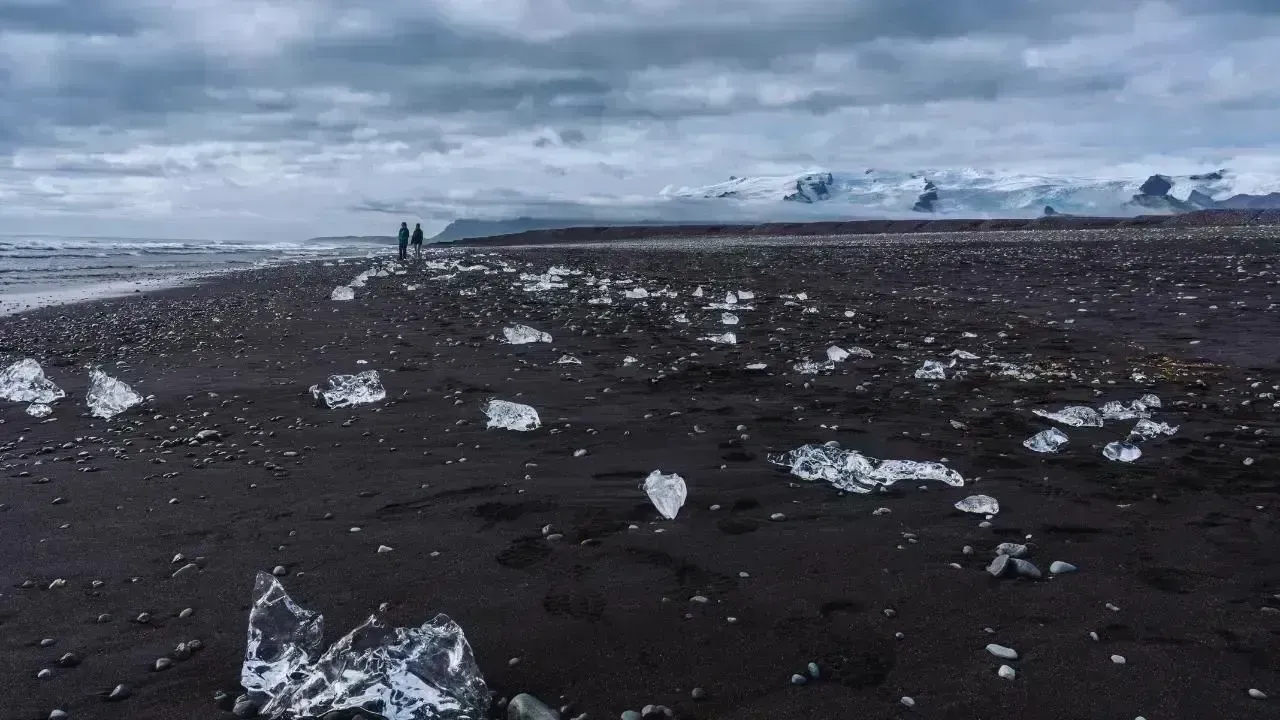
Post by : Anis Farhan
Winter weather is shaped by low temperatures, reduced sunlight, long nights, and higher moisture near the ground. As air cools, it behaves differently, holding less moisture and interacting with surfaces in ways that lead to condensation, freezing, and ice formation.
Fog, frost, and black ice may look different, but they are all linked by one key factor: temperature dropping close to or below freezing, combined with moisture in the air or on the ground. Small changes in conditions can decide whether moisture stays as water, turns into ice, or remains suspended in the air.
Fog forms when air near the ground cools enough for water vapour to condense into tiny droplets that remain suspended in the air. These droplets scatter light, reducing visibility—sometimes to just a few metres.
In winter, fog often develops overnight or early in the morning when temperatures drop sharply after sunset. Cold air holds less moisture, so even a small amount of humidity can lead to condensation.
Radiation fog is the most common type of winter fog. It forms on clear, calm nights when heat escapes rapidly from the ground. As the ground cools, the air directly above it also cools, reaching the dew point and causing moisture to condense.
This type of fog is typically thickest just before sunrise and often lifts once the sun warms the surface.
Advection fog occurs when moist air moves over a colder surface, such as snow-covered land or icy ground. As the air cools from below, condensation forms, creating widespread fog.
This type of fog can persist throughout the day, especially when cold surfaces prevent the air from warming.
Winter fog tends to be denser and longer-lasting because sunlight is weaker and less effective at warming the ground. Reduced visibility increases the risk of road accidents, especially when combined with icy surfaces.
Frost forms when temperatures drop below freezing and water vapour in the air changes directly into ice crystals on surfaces. This process is called deposition, where gas turns straight into a solid without becoming liquid first.
Frost usually forms on clear, still nights when surfaces lose heat rapidly and become colder than the surrounding air.
Thin objects and exposed surfaces cool faster than the surrounding air, making them more likely to drop below freezing. Grass, car windscreens, metal railings, and rooftops often collect frost because they lose heat quickly.
The presence of moisture in the air increases frost formation, even if humidity levels seem low.
Hoarfrost: White, feathery ice crystals that form on exposed surfaces.
Ground frost: Occurs when air temperatures near the ground fall below freezing.
Radiation frost: Develops during clear, calm nights due to rapid heat loss from the surface.
Each type forms under slightly different conditions but shares the same basic cause: freezing temperatures and moisture.
Black ice is a thin, transparent layer of ice that forms on roads, pavements, and bridges. It is called “black” because it allows the dark surface beneath to show through, making it nearly invisible.
Unlike snow or white ice, black ice offers no visual warning, which is why it is extremely dangerous for drivers and pedestrians.
Black ice usually forms when temperatures hover just below freezing and moisture freezes instantly upon contact with cold surfaces. Common causes include:
Rain or drizzle freezing on cold roads
Melted snow refreezing overnight
Condensation freezing during early morning hours
Roads, bridges, and flyovers are especially vulnerable because they lose heat faster than surrounding areas.
Bridges freeze before roads because cold air flows both above and below them. Shaded areas receive less sunlight, preventing ice from melting during the day and increasing the risk of refreezing at night.
Clear skies allow heat to escape quickly from the ground, while calm winds prevent warmer air from mixing downward. This combination encourages fog formation at low levels and frost on surfaces.
When humidity is high and temperatures are close to freezing, even a small drop in temperature can lead to fog, frost, or black ice.
Quick cooling after sunset is one of the strongest triggers for winter hazards. Roads that were wet during the day can freeze within hours once temperatures fall.
Fog, frost, and black ice frequently occur during the same weather patterns. For example, a cold, clear night with high humidity can produce fog in low-lying areas, frost on exposed surfaces, and black ice on roads.
This combination is especially dangerous because reduced visibility and slippery surfaces occur at the same time, increasing accident risks.
Sunlight plays a key role in clearing winter hazards. Fog often lifts once the ground warms, frost melts as temperatures rise above freezing, and black ice disappears when surfaces warm sufficiently.
However, weak winter sunlight means these hazards can persist longer than expected.
Cloudy skies can slow down warming during the day but also prevent extreme cooling at night. This balance determines whether hazards worsen or gradually fade.
Knowing how and when fog, frost, and black ice form helps drivers plan journeys more safely. Awareness of high-risk times—early morning and late night—can reduce accidents.
Frost can damage crops, burst pipes, and strain power systems. Black ice affects transportation networks, while persistent fog disrupts flights and road traffic.
Understanding these conditions helps authorities issue timely warnings and take preventive measures.
Shifting climate patterns have led to more frequent freeze-thaw cycles. This increases the likelihood of black ice as melting snow refreezes repeatedly.
Warmer winters can create ideal conditions for fog and ice formation rather than steady snowfall, making hazards harder to predict and manage.
Fog, frost, and black ice may seem like minor winter occurrences, but they are the result of precise interactions between temperature, moisture, and surface conditions. Even a difference of one or two degrees can determine whether roads remain safe or turn treacherous.
By understanding what causes these winter hazards, people can better prepare, stay alert during high-risk periods, and reduce the dangers that cold weather brings. In winter, awareness is often the most effective form of protection.
Disclaimer:
This article is for informational purposes only and explains general weather phenomena. Actual conditions may vary depending on local climate, geography, and weather patterns. Always follow official weather advisories and safety guidelines.







AI Companies Expected to Drive Most US Earnings Growth in Q3
AI companies are expected to drive US third-quarter earnings growth as investors assess tech profits

Money Market Funds See Record Inflows as Global Bond Selloff Intensifies
Global money market funds attract $153.81 billion as bond yields rise, inflation fears persist and i

Meta Bans TikTok Ads on Facebook and Instagram in Seven Countries
Meta has banned TikTok ads in seven countries, escalating competition over social media users, adver

ASML and Zeiss Target Next-Generation Chip Technology in 10 Years
ASML and Carl Zeiss are developing Hyper NA technology to print smaller chip circuits, with the next

Rabada Misses First Australia Test as South Africa Pick Two Spinners
Kagiso Rabada misses the opener as South Africa vs Australia begins, with Anrich Nortje returning an

Starc Compares Australia's Tough Year to McIlroy's Major Sweep
Mitchell Starc says Australia winning three away Test series and the World Cup would match Rory McIl