
You have not yet added any article to your bookmarks!
Join 10k+ people to get notified about new posts, news and tips.
Do not worry we don't spam!
Post by : Shweta
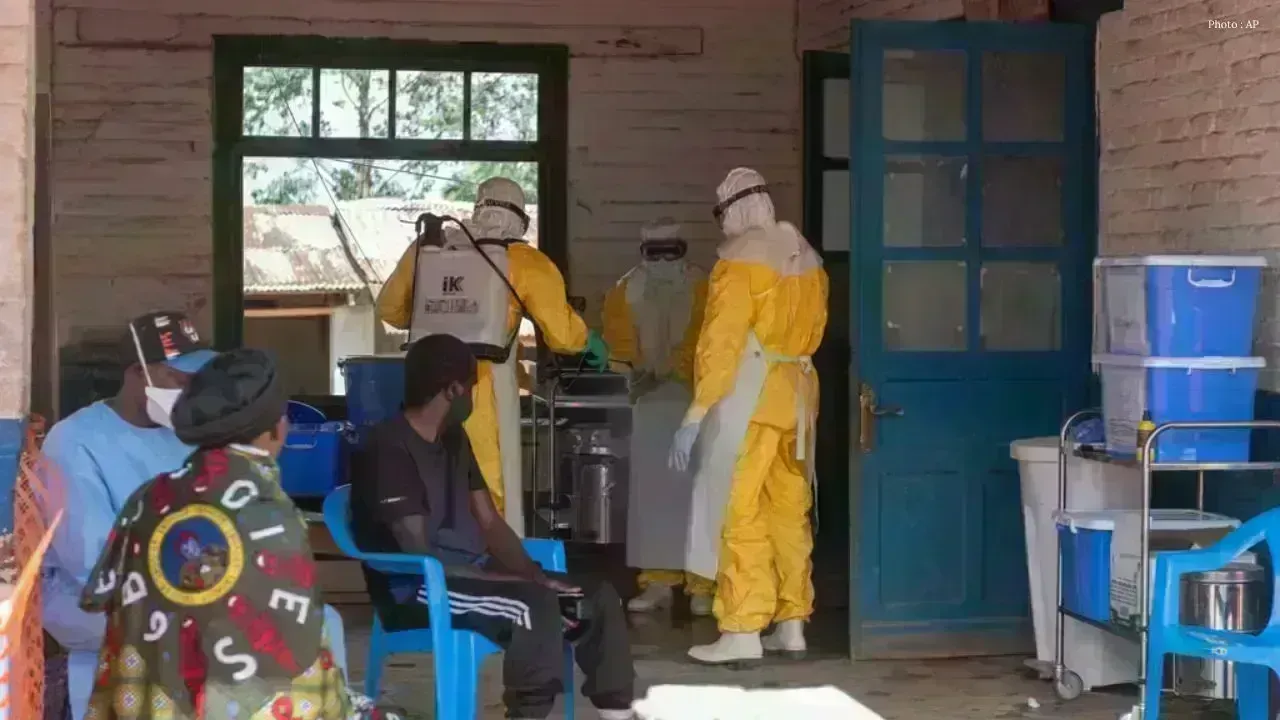
The World Health Organization (WHO) has raised alarms regarding the nearly 500 confirmed cases of Ebola during the ongoing outbreak wreaking havoc in Central Africa. This surge has raised significant concerns among health officials about the essential need for sustained surveillance and prompt response to curb the disease.
As outlined by the WHO, this outbreak represents a formidable public health challenge. Local authorities and health workers are vigorously involved in efforts to monitor infections, treat affected individuals, and thwart further transmission. The organization has underscored the necessity of bolstering disease monitoring systems and delivering essential support to communities most severely impacted by the virus.
Ebola, a severe viral infection, transmits primarily through direct contact with contaminated bodily fluids and materials. Previous outbreaks have shown the critical importance of early detection, patient isolation, and well-orchestrated public health policies. Experts are emphasizing that swift intervention is vital to mitigate fatalities and halt broader spread.
Current data indicates that several regions in Central Africa are affected by this outbreak. Medical teams are collaborating with local governments and international organizations to identify cases, trace contacts, and enhance access to healthcare. Vaccination campaigns and informative public programs are also among strategic responses aimed at managing the outbreak.
Officials from WHO have highlighted the necessity of international collaboration. Public health agencies along with humanitarian groups are actively mobilizing resources to help affected communities and back national health authorities. The organization diligently monitors developments and offers technical guidance as necessary.
Past Ebola crises have revealed the complexities of managing infectious diseases in regions burdened with inadequate healthcare infrastructures. Experts caution that controlling outbreaks becomes increasingly challenging when access to medical services is limited and public health operations are disrupted due to conflict or displacement.
Community participation is viewed as a pivotal component of the response strategy. Health officials have been encouraging prompt reporting of symptoms and compliance with safety protocols among the residents. Educational initiatives are also underway to counter misinformation and enhance understanding of preventive measures.
Though the present outbreak remains primarily localized in Central Africa, international health entities are keeping a close watch as infectious diseases possess the potential to transcend national boundaries. Global health organizations stress the importance of coordinated efforts to mitigate the risks of wider transmission.
The WHO has persistently advocated for enduring investments in strengthening healthcare systems and reinforcing emergency preparedness. Key aspects of effective outbreak management include bolstering laboratory capacities, improving surveillance networks, and ensuring sufficient supplies of medical resources and vaccines.
Experts emphasize that recent advancements in vaccines and treatments have significantly enhanced response capabilities to Ebola compared to earlier outbreaks. Nonetheless, vigilance remains imperative, especially in resource-limited regions.
Government and aid organizations are expected to further collaborate to support affected areas, ensuring the efficacy of response initiatives. Additionally, public health officials are urging neighboring countries to uphold robust monitoring frameworks and readiness plans.
This current outbreak underscores the persistent challenges that infectious diseases pose and the significance of global cooperation in safeguarding public health. Even though strides have been made in managing Ebola outbreaks in recent years, health authorities warn that ongoing efforts are essential to stave off further infections and preserve lives.
As response teams intensify their efforts, the WHO and its partner organizations are likely to concentrate on expanding surveillance, bolstering treatment facilities, and enhancing vaccination endeavors. These actions will be crucial in restricting the outbreaks and mitigating their long-term repercussions on affected communities.
Stay tuned for more updates and developments.










PM Modi Pays Tribute to Mahatma Gandhi, Urges People to Support Khadi
PM Modi pays tribute to Mahatma Gandhi on Gandhi Jayanti and urges citizens to support Khadi and the

Amazon Seeks to Offload $8 Billion in Nvidia Chips to Investors
Amazon plans to move $8 billion in Nvidia chips to investors, using a new financing model to strengt

Samsung Raises Galaxy S26 Prices as Memory Chip Costs Rise
Samsung raises Galaxy S26 prices in South Korea as rising memory chip costs put pressure on smartpho

Lewis Hamilton Calls Singapore Grand Prix One of F1's Toughest Races
Lewis Hamilton discusses the demanding Singapore Grand Prix and brings Plus44 and Almave to Singapor

Denmark's Pandora Opens World's Largest Jewellery Factory in Vietnam
Pandora opens its largest jewellery factory in Vietnam, expanding global production, strengthening s

Gautam Gambhir Questions Batting-Friendly Pitches After India's Record ODI Chase
Gautam Gambhir questions batting-friendly ODI pitches after India’s record chase, calling for a bett

