
You have not yet added any article to your bookmarks!
Join 10k+ people to get notified about new posts, news and tips.
Do not worry we don't spam!
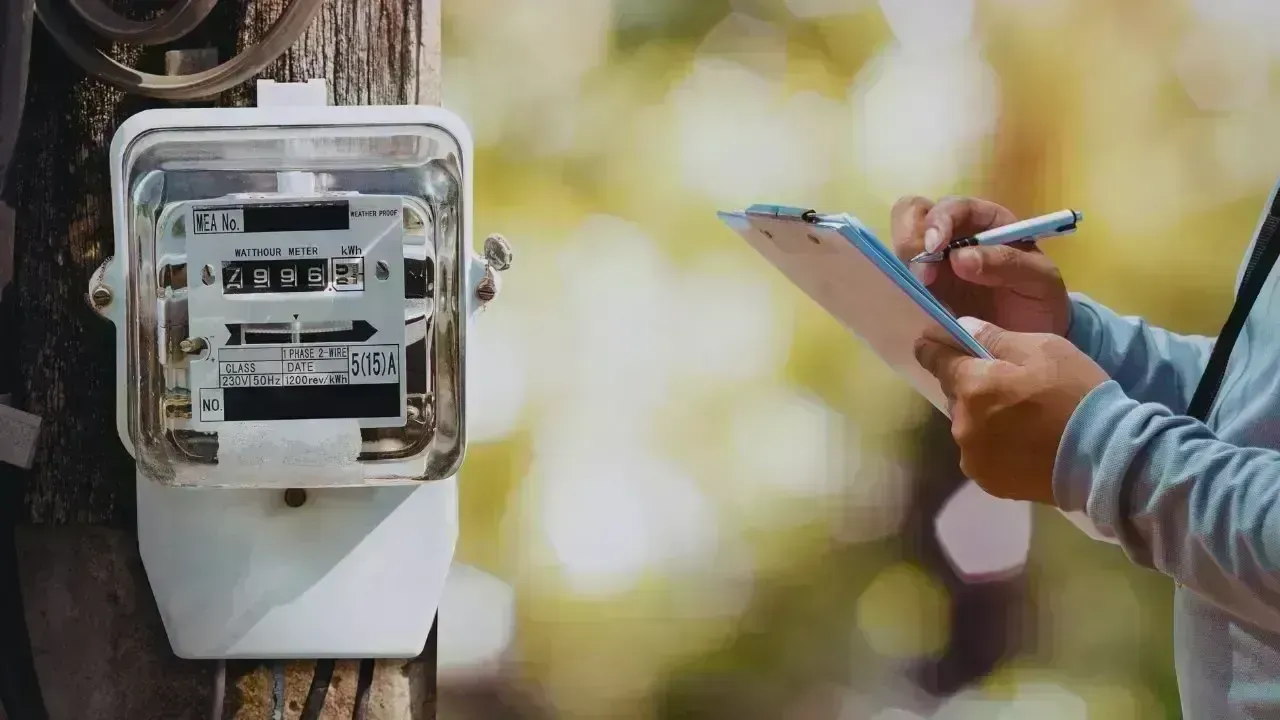
Post by : Anis Farhan
Energy use follows a predictable seasonal pattern, peaking in winter and, in many regions, again during extreme summer heat. Winter demand is primarily driven by the need to maintain indoor comfort and safety as outdoor temperatures drop.
As cold sets in, buildings lose heat faster, appliances work harder, and daily routines change. This combination results in a steady and often unavoidable rise in energy consumption that affects residential, commercial, and public infrastructure alike.
The single largest contributor to increased winter energy use is space heating. Homes and offices rely heavily on heaters, boilers, furnaces, and heat pumps to maintain comfortable indoor temperatures.
Heating systems often run for long hours, sometimes continuously, especially during cold spells. Unlike cooling systems used intermittently in summer, winter heating is a daily necessity, significantly increasing overall energy load.
Older or poorly maintained heating systems consume more energy to produce the same amount of warmth. Heat loss through walls, roofs, windows, and doors forces heaters to work harder, raising energy consumption even further.
Buildings without proper insulation experience rapid heat escape, making winter energy use both higher and less efficient.
Winter days are shorter, and nights are longer. As a result, homes, offices, streets, and public spaces rely more heavily on artificial lighting.
Lights that might remain off during daylight hours in summer are used extensively in winter mornings and evenings. This extended usage contributes directly to higher electricity consumption.
With colder weather discouraging outdoor activities, people spend more time indoors. This leads to greater use of lighting, televisions, computers, and other electrical devices throughout the day.
During winter, the demand for hot water increases significantly. People take longer hot showers, wash hands more frequently with warm water, and use hot water for cleaning and cooking.
Water heaters—whether electric, gas, or solar-assisted—consume more energy to raise cold incoming water to usable temperatures, especially in regions where groundwater temperatures drop sharply.
Winter clothing is thicker and heavier, requiring more water and energy to wash and dry. Dryers, in particular, are high-energy appliances that see increased use during colder months when air-drying is impractical.
While it may seem counterintuitive, refrigerators and freezers often use more energy in winter. Frequent door opening, holiday cooking, and storing larger quantities of food force appliances to work harder to maintain internal temperatures.
In poorly heated areas, extreme cold can also affect appliance efficiency, leading to higher energy draw.
Electric blankets, room heaters, humidifiers, and air purifiers are commonly used during winter. These comfort devices add to baseline electricity usage, often running for extended periods.
Cold weather changes daily routines. People wake up later, stay indoors longer, and use heating and lighting throughout the day rather than just mornings and evenings.
Work-from-home arrangements during winter storms or cold spells further increase household energy consumption, shifting usage from offices to residential spaces.
Winter coincides with festive periods in many regions, leading to higher energy use from decorative lighting, cooking appliances, and gatherings. Energy demand often peaks during these weeks due to continuous usage and increased occupancy.
Heat naturally moves from warm areas to colder ones. During winter, the temperature difference between indoor and outdoor environments is much greater, causing faster heat loss.
Poor insulation, gaps in doors and windows, and unsealed vents allow warm air to escape, forcing heating systems to compensate continuously.
Strong winter winds increase heat loss through a process known as wind chill. Buildings exposed to wind lose warmth faster, driving up heating demand even when temperatures remain constant.
Factories, warehouses, offices, schools, and hospitals require extensive heating systems to maintain safe working conditions. Heating large commercial spaces consumes vast amounts of energy during winter.
Public infrastructure such as transport hubs and government buildings also experience higher winter energy demand.
Industries involved in winter-specific production, food storage, logistics, and cold-chain operations often increase energy use during this season, adding to overall grid demand.
Winter energy consumption often peaks during early mornings and evenings when heating and lighting are used simultaneously. These peak loads place significant stress on power grids and fuel supply systems.
In extreme cold, energy demand can exceed generation capacity, increasing the risk of outages if systems are not adequately prepared.
Gas, coal, and oil usage rises during winter to meet heating needs. Transportation and storage of these fuels also require additional energy, creating a compounding effect on consumption.
Areas with harsh winters experience far greater increases in energy use compared to milder climates. Prolonged freezing temperatures and snowfall extend heating seasons, raising consumption over several months.
Urban homes often benefit from better insulation and shared heating systems, while rural households may rely on individual heating solutions that consume more energy per unit.
Increased energy consumption leads to higher utility bills during winter. Heating costs often account for the largest portion of household energy expenses during this season.
For low-income households, winter energy demand can create financial strain, highlighting the importance of efficiency and assistance programs.
On a larger scale, winter energy demand impacts national fuel imports, power generation costs, and energy pricing, influencing overall economic stability.
Proper insulation, weather stripping, and sealing gaps significantly reduce heat loss. These measures help maintain indoor warmth with less energy input.
Using programmable thermostats, maintaining heating systems, and setting moderate indoor temperatures can lower energy usage without sacrificing comfort.
Limiting unnecessary appliance usage, switching to energy-efficient lighting, and managing hot water consumption can collectively reduce winter energy demand.
Renewable energy sources face seasonal challenges in winter, such as reduced sunlight for solar power. However, wind energy often performs well during colder months.
Integrating diverse renewable sources helps balance increased winter demand while reducing reliance on fossil fuels.
Energy consumption rises during winter not because of waste, but because of necessity. Heating, lighting, hot water, and indoor living are essential for comfort, health, and safety in cold conditions.
By understanding the factors behind increased winter energy use, households and communities can adopt smarter strategies to manage demand, control costs, and reduce environmental impact—without compromising warmth and well-being.
Disclaimer:
This article is for informational purposes only and discusses general energy consumption patterns. Actual energy usage may vary based on climate, building design, technology, and individual behavior.








AI Companies Expected to Drive Most US Earnings Growth in Q3
AI companies are expected to drive US third-quarter earnings growth as investors assess tech profits

Money Market Funds See Record Inflows as Global Bond Selloff Intensifies
Global money market funds attract $153.81 billion as bond yields rise, inflation fears persist and i

Meta Bans TikTok Ads on Facebook and Instagram in Seven Countries
Meta has banned TikTok ads in seven countries, escalating competition over social media users, adver

ASML and Zeiss Target Next-Generation Chip Technology in 10 Years
ASML and Carl Zeiss are developing Hyper NA technology to print smaller chip circuits, with the next

Rabada Misses First Australia Test as South Africa Pick Two Spinners
Kagiso Rabada misses the opener as South Africa vs Australia begins, with Anrich Nortje returning an

Starc Compares Australia's Tough Year to McIlroy's Major Sweep
Mitchell Starc says Australia winning three away Test series and the World Cup would match Rory McIl

