
You have not yet added any article to your bookmarks!
Join 10k+ people to get notified about new posts, news and tips.
Do not worry we don't spam!
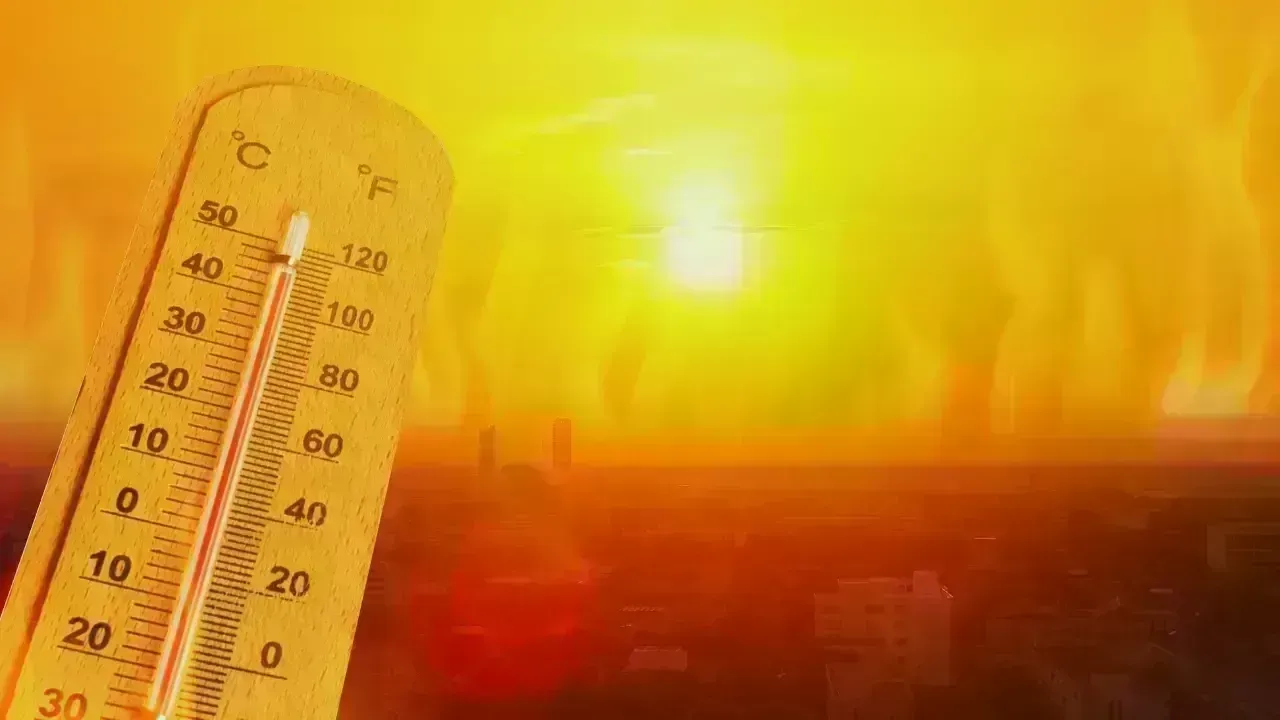
Post by : Anis Farhan
Heatwaves, once considered occasional weather extremes, are now becoming a regular and alarming feature of global climate patterns. Across continents, temperatures that were once rare or unimaginable are now occurring annually, breaking long-standing records and pushing ecosystems, infrastructure, and human health to their limits.
In recent years, cities across Asia, Europe, Africa, the Middle East, and the Americas have reported unprecedented heat events — with temperatures soaring above 45°C in several regions and even touching 50°C in some locations. These heatwaves are not only more frequent but also longer, more intense, and significantly more dangerous than those observed decades ago.
Scientists, policymakers, and climate experts warn that heatwaves will continue to escalate unless drastic measures are taken. This article explores the factors driving this rise, the science behind extreme heat, the severe consequences for human life and economies, and the urgent need for adaptation and resilience.
A heatwave is a prolonged period of excessively hot weather relative to the usual climate patterns of a region. It varies from country to country but typically includes:
High daytime temperatures
Elevated nighttime temperatures
Persisting for several days or weeks
Often accompanied by dry conditions or high humidity
Heatwaves disrupt natural cycles and increase stress on the environment and population.
Many regions now experience exceptionally warm nights during heatwaves. Without cooler nighttime temperatures, the human body struggles to recover, increasing the risk of heat-related illnesses.
As carbon dioxide, methane, and other greenhouse gases accumulate in the atmosphere, they trap solar radiation, preventing heat from escaping into space. This leads to a steady increase in global temperatures known as global warming.
The consequences include:
More frequent extreme heat events
Longer heatwave durations
Record-breaking temperatures becoming commonplace
Even a 1°C increase may sound small, but at a planetary scale, it has massive impacts. It increases the likelihood of heatwaves exponentially, shifting baseline temperatures upward and enabling extreme heat to occur more easily.
Urban areas absorb significantly more heat compared to rural areas due to:
Asphalt roads
Concrete buildings
Air conditioners releasing hot air
Lack of green cover
Dense infrastructure
This creates an “urban heat island,” causing temperatures in cities to be several degrees higher than surrounding regions.
Tall buildings trap heat and limit ventilation, prolonging the duration of heatwaves within urban environments.
The jet stream — a fast-flowing air current — influences weather patterns. Climate change is weakening this stream, causing weather systems to stall. When heatwaves stall, they remain over one region for longer, making them more severe.
Stable high-pressure systems, known as “heat domes,” trap warm air beneath them, leading to extreme and persistent heatwaves.
Forests help cool the planet through:
Shade
Evapotranspiration
Moisture release
Large-scale deforestation reduces natural cooling and accelerates warming.
Replacing green landscapes with farmland or industrial structures eliminates natural temperature-regulating systems.
Water bodies naturally cool their surrounding areas. As they shrink due to drought and overuse, heatwaves intensify.
Low soil moisture also contributes to higher temperatures, as dry soil heats faster than moist ground.
El Niño disrupts global weather, often causing:
Hotter temperatures
Droughts
Weaker monsoons
Stronger or more frequent El Niño cycles amplify heatwaves across many regions.
Countries like India, Pakistan, and China have experienced record-breaking summer heat in recent years, leading to crop damage, water shortages, and health emergencies.
Heatwaves in Europe have pushed temperatures beyond 40°C in regions historically unused to such extremes, causing thousands of deaths.
The western United States and Canada have faced “heat domes” that pushed temperatures to unprecedented highs.
Many nations in these regions regularly experience temperatures above 45°C, increasing desertification and water scarcity.
Excessive heat can cause:
Heat cramps
Dehydration
Heat exhaustion
Heatstroke, often fatal if untreated
Children, the elderly, outdoor workers, pregnant women, and people with chronic illnesses face significantly higher risks.
Heatwaves increase:
Heart attack rates
Breathing difficulties
Asthma attacks
Respiratory infections
Pollution worsens during heatwaves, compounding these issues.
Extreme heat is linked to:
Stress
Aggression
Poor sleep
Cognitive impairment
Rising nighttime temperatures intensify psychological strain.
Heatwaves cause more annual deaths globally than any other extreme weather event, including floods and hurricanes.
High temperatures dry vegetation, increasing wildfire risks. Once fires ignite, they spread rapidly, destroying ecosystems and releasing carbon.
Heat accelerates evaporation, reducing water availability in lakes, rivers, and reservoirs. This affects drinking water supplies and irrigation systems.
Extreme heat weakens soil fertility, reduces crop yields, and damages agricultural productivity. Global food prices rise as a result.
Marine heatwaves cause:
Coral bleaching
Disrupted fish migration
Decline in marine biodiversity
Oceans absorb most of the excess heat generated by global warming.
Outdoor workers lose work hours due to unsafe temperatures, impacting:
Construction
Farming
Transportation
Industrial sectors
Heatwaves drive massive demand for air conditioning, straining grids and increasing blackout risks.
Hospitals become overwhelmed during severe heatwaves, leading to increased costs and overstretched resources.
Cities are implementing:
Green roofs
Reflective building materials
Urban forests
Water bodies restoration
Heat shelters
Governments are introducing:
Heatwave alert systems
Cooling centers
Revised safety guidelines for workers
Long-term solutions focus on:
Reducing emissions
Investing in renewable energy
Protecting forests
Improving water management
Drink water frequently
Use fans or cool showers
Wear lightweight clothing
Limit outdoor activities during late morning and afternoon.
Stay aware of health advisories and emergency warnings.
Heatwaves are no longer isolated weather anomalies — they are one of the most pressing climate threats of our time. Driven by global warming, urbanization, atmospheric changes, and environmental degradation, heatwaves are becoming longer, hotter, and more dangerous each year.
These extreme temperature events are reshaping ecosystems, economies, health systems, and even geopolitical strategies. Without immediate action, the frequency and severity of heatwaves will continue to rise, posing unprecedented risks to human life and environmental stability.
Understanding the causes and consequences is the first step. The next step is collective action — strengthening climate policies, adapting our cities, reducing emissions, and preparing communities for a hotter future. Heatwaves are a global wake-up call, and the time to respond is now.
This article is for informational and analytical purposes only.







Beauden Barrett Opens Up About Mental Struggles During All Blacks Exile
Beauden Barrett discusses his confidence struggles after missing six tests, his return against Austr

IMF Says AI Investment Supports Global Growth Despite Energy Shock
IMF says AI investment is supporting global growth near 3%, with Asian economies benefiting from ris

Will O'Rourke Ruled Out of New Zealand's India Series
New Zealand fast bowler Will O'Rourke will miss the India series with hamstring and calf injuries as

AI Companies Expected to Drive Most US Earnings Growth in Q3
AI companies are expected to drive US third-quarter earnings growth as investors assess tech profits

Money Market Funds See Record Inflows as Global Bond Selloff Intensifies
Global money market funds attract $153.81 billion as bond yields rise, inflation fears persist and i

Meta Bans TikTok Ads on Facebook and Instagram in Seven Countries
Meta has banned TikTok ads in seven countries, escalating competition over social media users, adver

