You have not yet added any article to your bookmarks!
Join 10k+ people to get notified about new posts, news and tips.
Do not worry we don't spam!

Post by : Maya Rahman
The A-League Women (ALW), Australia's premier women's football league, is in peril, as a new analysis from the Professional Footballers Australia (PFA) indicates significant issues. The report sheds light on the faces behind the crisis: dwindling attendance, an exodus of talent, and a troubling rise in mental health challenges among the players. The PFA described the league as a "burning platform" and stressed that it is lagging internationally.
As it stands, the ALW is struggling to compete on a global level. The PFA's findings show that the quality, remuneration, and overall conditions in the league have deteriorated sharply since the COVID-19 pandemic hit. Once heralded as one of the best-paying women's sports leagues in Australia, the ALW now holds the unfortunate title of offering the lowest minimum salary among major women's sports leagues. This financial disparity is prompting players to pursue opportunities elsewhere.
Following the thrills of the 2023 Women’s World Cup, co-hosted by Australia and New Zealand, expectations were high for increased attendance. Yet, contrary to these hopes, ALW match attendance plummeted by 26 percent in the 2024–2025 season, averaging just 1,559 fans per game. The league has failed to capitalize on the heightened interest generated by the World Cup.
Financial insecurity is rampant among ALW players, with a staggering 76 percent indicating that they feel either "not at all secure" or only "slightly secure" in their finances, a significant rise from 66 percent two years ago. The current minimum salary stands at a mere A$26,500 for 2025—substantially lower than other women's sports leagues in Australia, such as cricket (A$74,851) and Australian Rules football (A$67,337).
Mental health concerns are also mounting, with a recent audit revealing that 67 percent of players reported experiencing sport-related psychological distress, such as anxiety and depression. Many players claim the necessity of juggling second jobs to make ends meet detracts from their focus and performance in football.
As experienced players seek better prospects abroad, the league is witnessing a demographic shift toward younger talent, with players aged 21 and under accounting for nearly one-third of all playing minutes this season. This trend signifies a disturbing lack of long-term stability for seasoned athletes who should ideally serve as role models.
The United States has emerged as a prime destination for Australian female players, with thirteen moving to the new USL Super League and six joining the National Women’s Soccer League (NWSL). These transfers are primarily motivated by the lure of better salaries and superior training facilities. Simultaneously, the ALW is struggling to attract foreign talent, resorting to signing players from lower-tier European leagues.
Despite the pressing challenges, the PFA sees a silver lining for the ALW. The global women’s football landscape is rapidly evolving, with increasing prize funds and robust international competitions. If league officials and club owners take decisive steps, the ALW could transform into a thriving and viable professional league. However, the PFA cautions that there is currently a lack of urgency among decision-makers to act.
The PFA has urged officials to leverage the upcoming Women’s Asian Cup in March, which Australia will host, as a pivotal moment to revitalize investment and attention towards women’s football. But they warn that without substantial improvements, the attention generated by such major events will quickly dissipate. The league needs a clear forward direction, improved financial support, and a more robust product to genuinely uplift women’s sports.
As of now, there has been no response from the Australian Professional Leagues managing the ALW or Football Australia, the national football federation, regarding the PFA report. Players and fans alike are looking to the authorities for prompt action to safeguard the future of women’s football in Australia before it falls further behind its global counterparts.








Lamborghini Catches Fire on Singapore's ECP, Causing Heavy Traffic
A Lamborghini caught fire on Singapore's ECP, causing heavy traffic and bus delays. No injuries were

Bangkok Airport Duty-Free Area Flooded by Pipe Burst
A burst water pipe flooded the duty-free shopping area at Bangkok's Suvarnabhumi Airport on July 16,
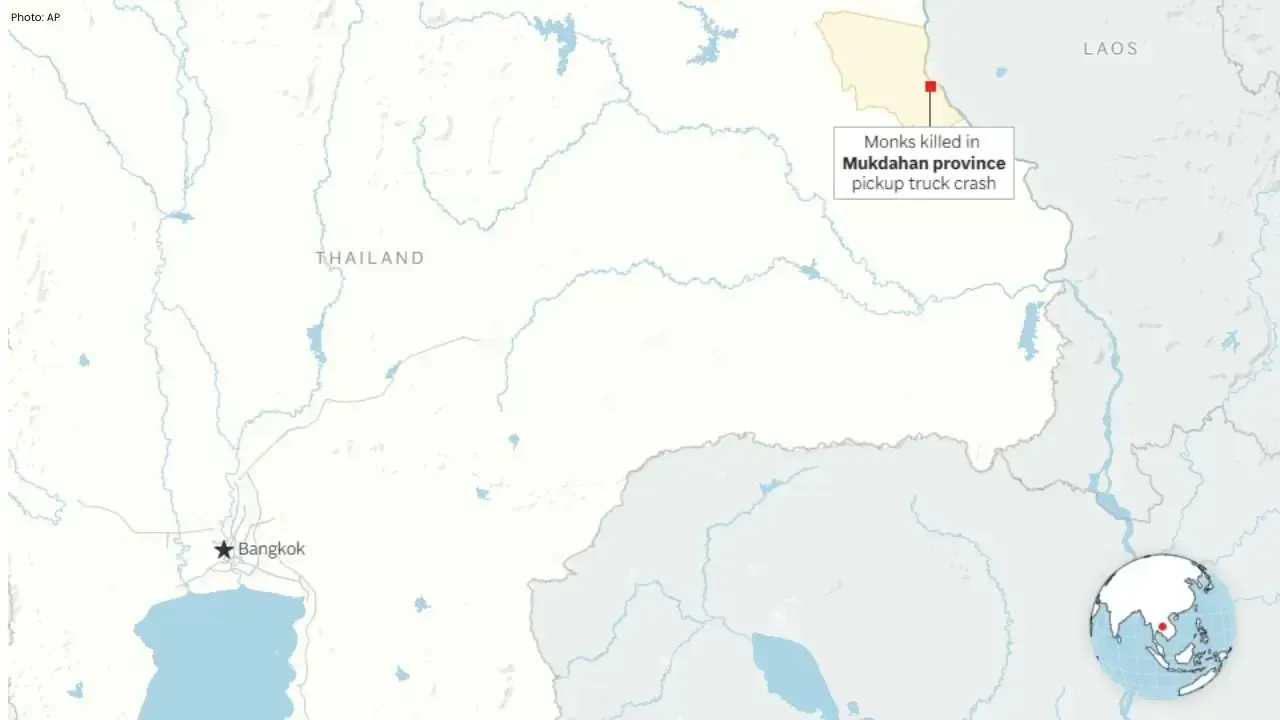
Nine Monks Killed in Thailand Pickup Truck Tragedy
An 11-year-old boy driving a pickup truck crashed into monks during a pilgrimage in northeastern Tha
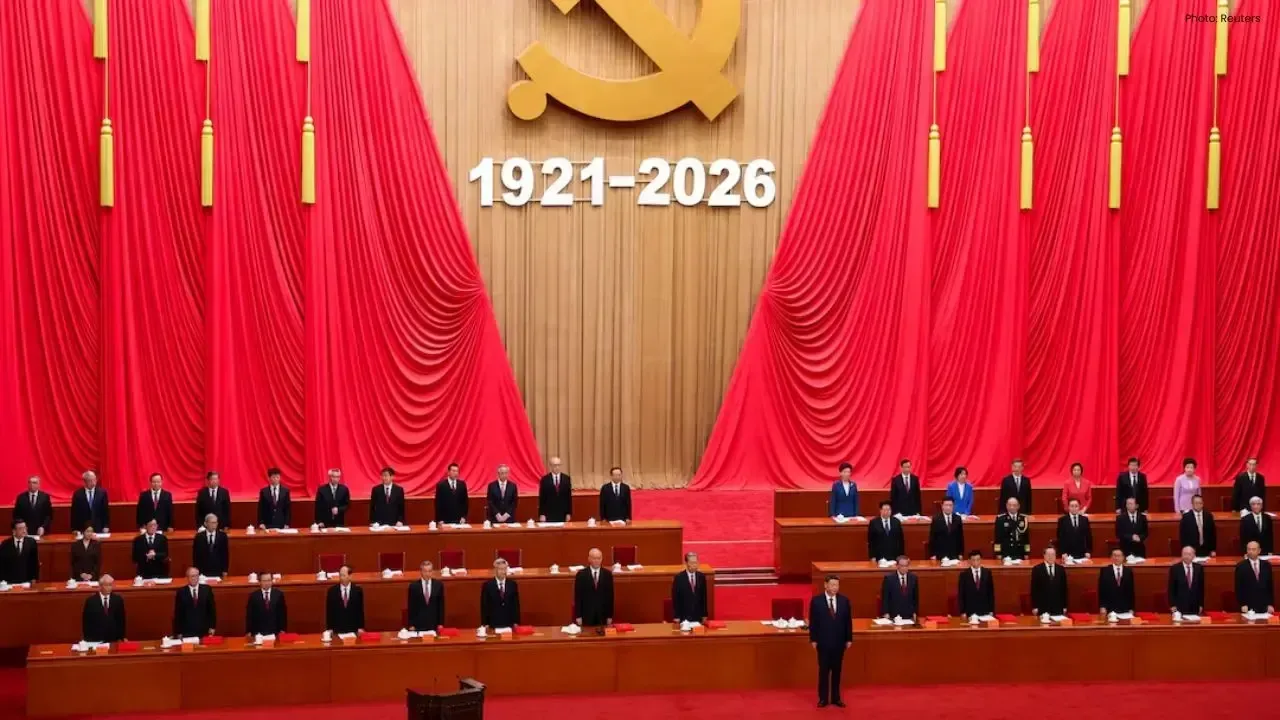
Anwar Congratulates Xi on CPC's 105th Anniversary
Malaysia reaffirms strong ties with China as PM Anwar Ibrahim sends a congratulatory letter to Presi
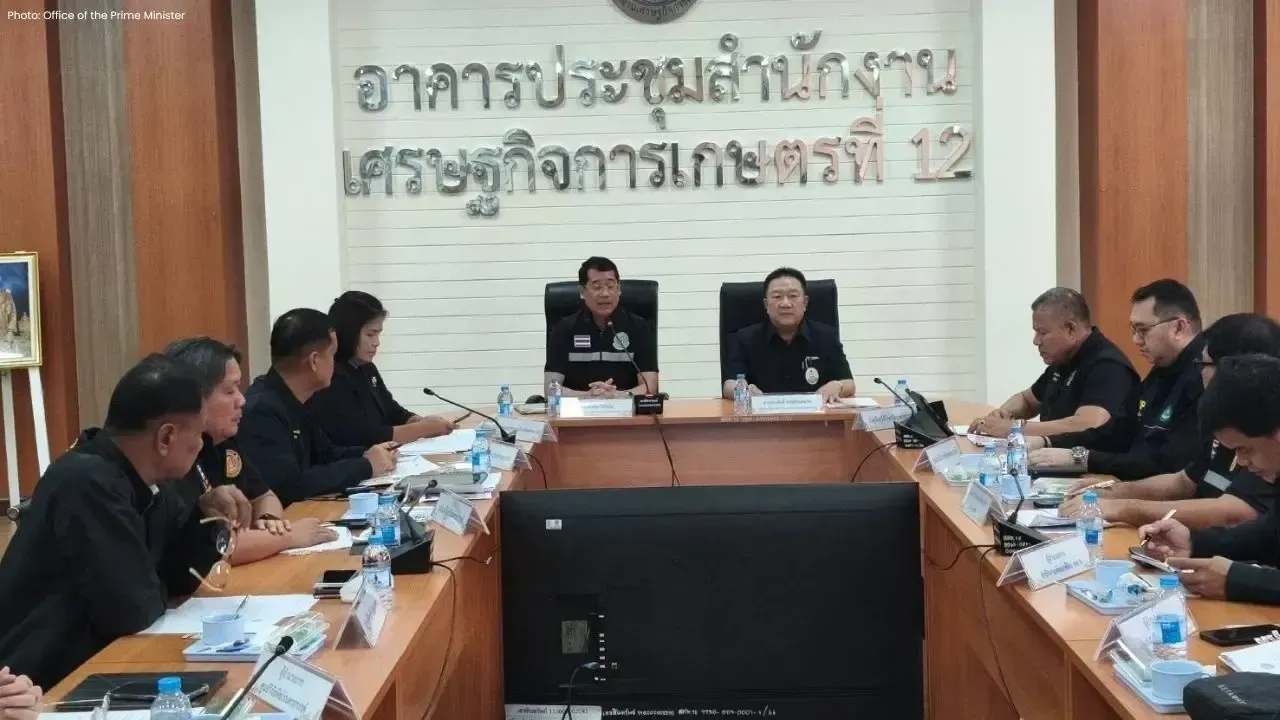
Thai Agriculture Team Reviews 2026 Farm Development Plans
Agriculture Ministry officials inspected livestock and organic rice projects in Nakhon Sawan to moni

Thailand, Canada Boost Ties in PM-Level Phone Talks
Thailand and Canada agreed to strengthen trade, security, OECD cooperation and ASEAN-Canada FTA talk