
You have not yet added any article to your bookmarks!
Join 10k+ people to get notified about new posts, news and tips.
Do not worry we don't spam!
Post by : Anis Farhan
Electric vehicles (EVs) have transitioned from niche options to mainstream choices in transportation over the last decade. As we approach 2026, it's anticipated that the adoption of EVs will reach major milestones, fueled by advancements in technology, plummeting battery costs, enhanced infrastructure, and escalating fuel prices. Countries are pushing forward with green mobility initiatives, making EVs a more practical choice for daily use rather than just futuristic dreams.
However, amidst this growth, one key question lingers for prospective buyers: Is 2026 the right year to purchase an EV?
The considerations involved in this decision are more complex now than ever before. Buyers need to assess upfront costs, ease of charging, operational expenses, maintenance needs, government incentives, environmental impact, and future resale values. This article delves into the critical factors to understand whether 2026 presents an auspicious environment for switching to electric mobility.
By 2026, the technology behind EVs has reached a level making ownership radically more practical. Key enhancements include:
Higher battery density
Improved power efficiency
Better thermal management
Rapid DC charging
Extended driving ranges
More reliable battery technologies
This progress means fewer compromises are necessary, enabling EVs to compete favorably with traditional fuel vehicles in reliability and comfort.
Batteries represent the majority of EV production costs. Innovations in manufacturing and chemistry have contributed to a significant decline in battery prices over the years. By 2026, it is expected that EVs will achieve near cost parity with conventional vehicles, especially in the compact and midsize categories.
Consumers stand to gain through:
Lower initial purchase costs
Reduced risk of replacement costs
More favorable financing options
A broader array of models within various price ranges
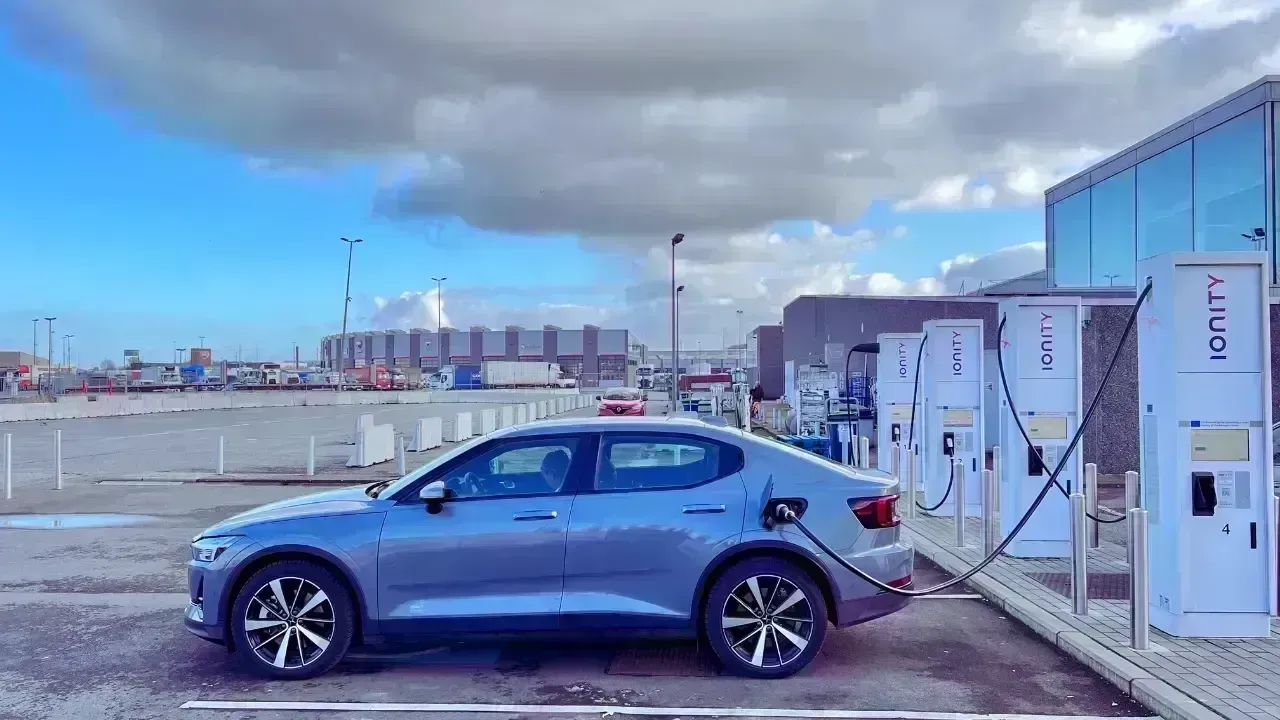
Urban areas, highways, commercial centers, shopping malls, and residential neighborhoods are rapidly integrating public charging stations. Government bodies and private entities are investing substantially in both AC and DC charging facilities. This expansion alleviates "range anxiety," making long-distance EV travel far more viable.
For most EV owners, a home charging station forms the heart of their charging plan. By 2026:
Home charging setups are quicker and more economical
Smart chargers allowing for energy-efficient operations
Residential complexes becoming increasingly EV-friendly
Home charging provides convenience, lower costs, and dependable access.
Fast charging durations have significantly reduced. A growing number of EVs are now capable of charging 70%–80% of their battery in just 25 to 30 minutes. This marks a dramatic improvement for inter-city travel.
While initial costs for EVs may be higher than those for traditional vehicles, the savings over time can be significant:
Reduced operating costs per kilometer
Minimal engine upkeep required
Fewer components contributing to repairs
Lower maintenance expenses overall
Over a span of 5 to 7 years, EV ownership often proves to be more economical.
Financial institutions have rolled out tailored EV financing solutions featuring:
Lower interest rates
Extended repayment terms
Higher loan-to-value ratios
These options simplify the financial aspect of EV ownership in 2026.
Numerous countries and states provide:
Incentives on purchases
Exemptions from road taxes
Waivers on registration fees
Funding for charging infrastructure
Though subsidies may diminish, increased competition is likely to maintain favorable pricing.
Many corporations are dedicating resources to install EV chargers at workplaces and encouraging staff to opt for sustainable transport options. Additionally, fleet operators gain advantages for shifting to electric vehicles.
In 2026, numerous EVs will offer real-world driving ranges of:
300-500 km for mid-range models
500-800 km for premium vehicles
This kind of range makes EVs practical for both daily and weekend travel.
With the advent of home and public charging:
Daily inconveniences are minimal
Reduced waiting times at stations
Charging management tools simplify travel planning
Electric vehicles greatly lower carbon emissions, especially when supported by renewable power systems. As nations transition to cleaner energy, EVs are pivotal to carbon reduction goals.
EVs offer quiet operation, enhancing urban life quality.
Electric vehicles provide instant torque, delivering an enjoyable driving experience in both city and highway settings.
Batteries located beneath the vehicle floor enhance both handling and comfort.
While major cities boast robust charging networks, smaller towns may still experience gaps in infrastructure. Planning is essential for rural long-distance travel.
Despite advancements in battery technologies, degradation will occur over time. Potential buyers should review:
Battery warranty terms
Replacement policies
Battery health monitoring features
While luxury EVs are widely available, budget-friendly models may still be scarce in certain markets.
Charging times are not yet competitive with refueling traditional vehicles. Some consumers may still favor conventional options for unpredictable long journeys.
Ideal for those with predictable city travel needs.
Enhances convenience and ensures cost benefits.
Great for shrinking your carbon footprint.
EVs provide access to advanced technology and features.
Reliability may remain a concern.
Relying on public charging could pose challenges.
Further price reductions could occur as production scales up.
While EVs will keep evolving, 2026 marks a crucial point where technology meets affordability. Waiting a year may provide:
Slightly enhanced battery performance
Wider selection of models
Improved government incentives
Nonetheless, the differences may not be significant enough to warrant postponing your purchase if your immediate mobility needs align with the current advantages offered by EVs.
2026 emerges as a landmark year for purchasing electric vehicles. With notable strides in battery technology, robust charging infrastructure, enhanced range capabilities, improved affordability, and favorable policy frameworks, EVs are now practical and future-ready options for daily transport. The transition toward sustainable travel is gaining momentum, making EV ownership not just a responsible environmental choice but also a financially wise one.
While potential buyers should consider personal driving habits, location, and charging access, the overall outlook for EV adoption in 2026 is exceptionally positive. This year marks a pivotal point where electric vehicles are becoming widely accepted, making it an optimal time to make the switch.
This article serves to offer general insights and analysis. Purchase decisions should align with individual needs, budget constraints, and local charging conditions.









Beauden Barrett Opens Up About Mental Struggles During All Blacks Exile
Beauden Barrett discusses his confidence struggles after missing six tests, his return against Austr

IMF Says AI Investment Supports Global Growth Despite Energy Shock
IMF says AI investment is supporting global growth near 3%, with Asian economies benefiting from ris

Will O'Rourke Ruled Out of New Zealand's India Series
New Zealand fast bowler Will O'Rourke will miss the India series with hamstring and calf injuries as

AI Companies Expected to Drive Most US Earnings Growth in Q3
AI companies are expected to drive US third-quarter earnings growth as investors assess tech profits

Money Market Funds See Record Inflows as Global Bond Selloff Intensifies
Global money market funds attract $153.81 billion as bond yields rise, inflation fears persist and i

Meta Bans TikTok Ads on Facebook and Instagram in Seven Countries
Meta has banned TikTok ads in seven countries, escalating competition over social media users, adver

