You have not yet added any article to your bookmarks!
Join 10k+ people to get notified about new posts, news and tips.
Do not worry we don't spam!
Post by : Saif Rahman
This week in Abu Dhabi, key representatives from Ukraine, Russia, and the United States engaged in significant discussions aimed at addressing the long-standing conflict in Ukraine, now nearing its fourth year. The primary focus of these dialogues was the contentious Donbas region, which continues to complicate peace negotiations.
Ukrainian President Volodymyr Zelenskyy emphasized that the Donbas situation is critical to the conversations. The United Arab Emirates described the summit as a step toward fostering dialogue and identifying political resolutions to the ongoing warfare. Meanwhile, the White House characterized the sessions as “constructive,” though they acknowledged that numerous challenges persist.
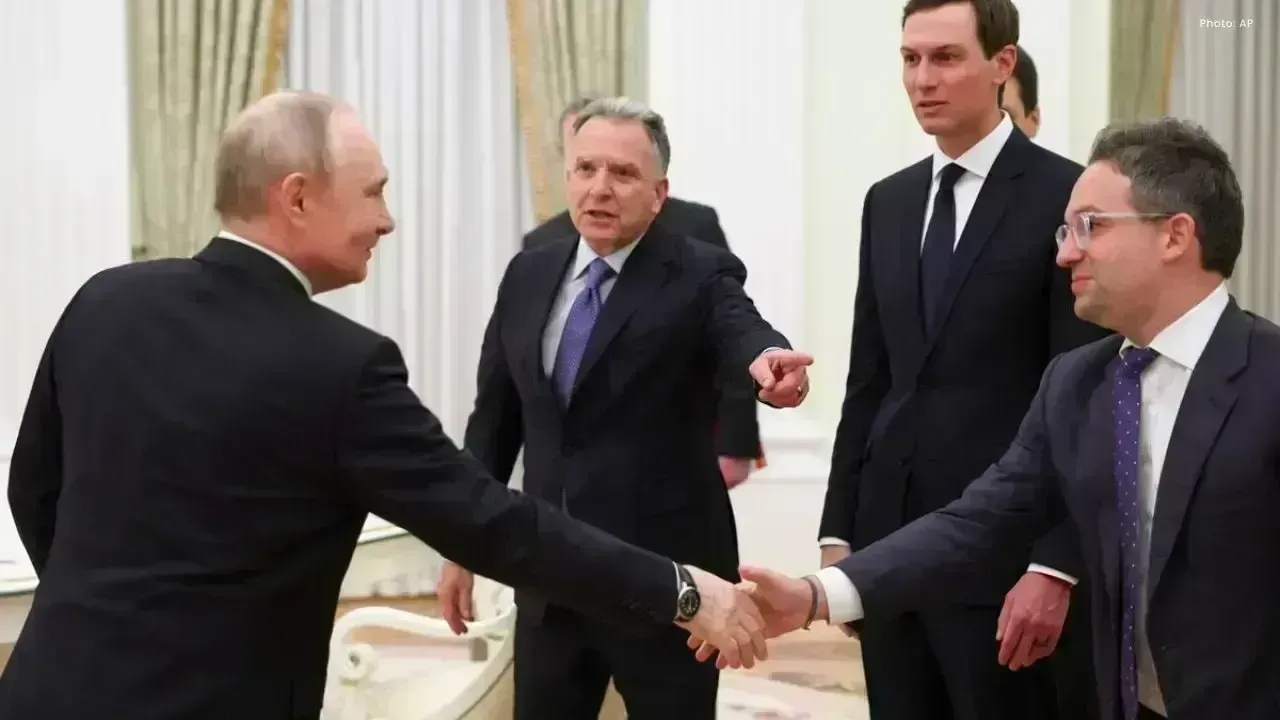
Coincidentally, just hours before the Abu Dhabi meeting, Russian President Vladimir Putin conferred with U.S. representatives Steve Witkoff and Jared Kushner in Moscow. Russia has maintained that for any peace agreement to hold, Ukrainian forces must vacate territories in the east, which Russia has annexed but has not yet fully secured.
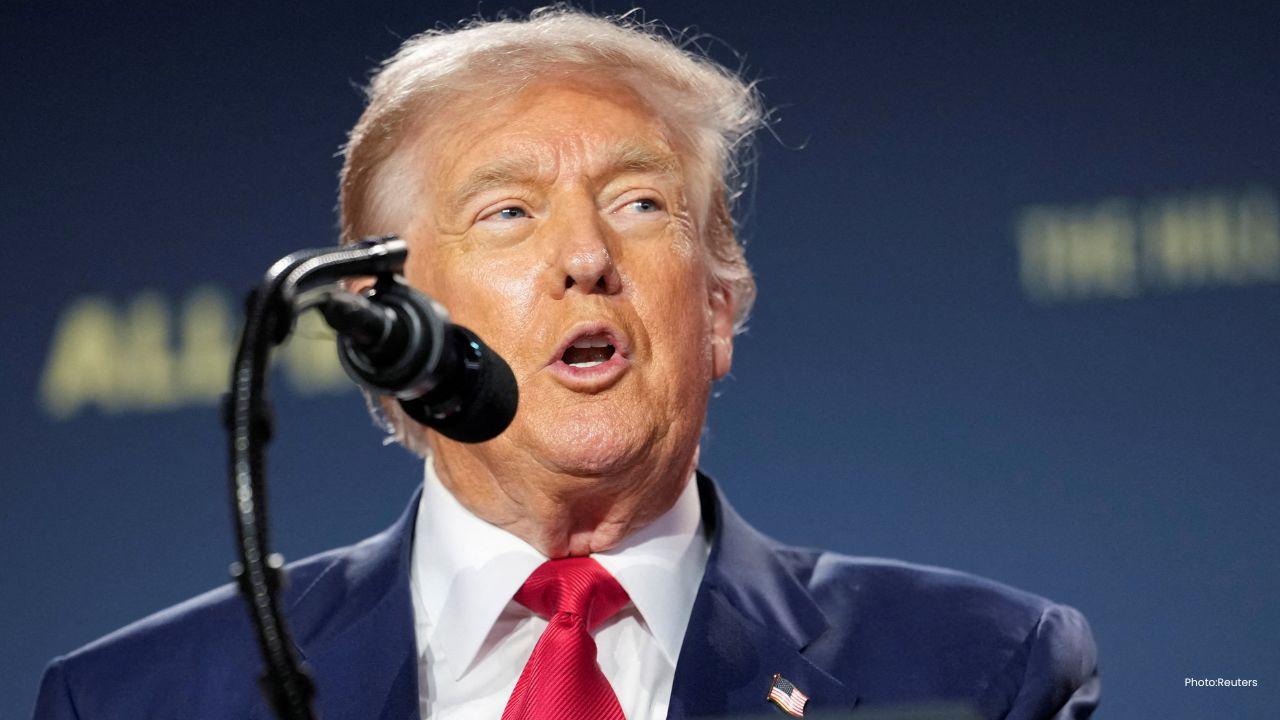
Zelenskyy, following a meeting with former U.S. President Donald Trump in Davos, Switzerland, expressed that peace proposals are nearing completion. He also proposed the establishment of a free trade zone under Ukrainian oversight in the east, which he argued could boost local businesses.
The Abu Dhabi discussions represented a notable instance where officials from the Trump administration coordinated talks with both Ukrainian and Russian representatives simultaneously. Zelenskyy stated that the Ukrainian delegation updated their progress almost hourly, underscoring that Russia must also demonstrate a genuine commitment to ending the conflict it initiated.
Kremlin representatives confirmed that the sessions addressed security matters, highlighting the importance of Russian demands for the withdrawal of Ukrainian troops from Donbas. Additionally, topics such as buffer areas and control protocols were on the agenda, with U.S. representatives including military and NATO officials.
The prolonged war has inflicted heavy casualties on both parties. Since 2014, Russia has captured approximately 20% of Ukrainian territory, with the extensive invasion in 2022 leading to monumental military and economic repercussions. Ukraine faces critical shortages of funding, personnel, and resources, despite ramping up domestic arms production. Reports indicate troop desertions could be as high as 200,000, with around two million dodging enlistment.
Zelenskyy also called out Europe for its delayed responses, insufficient defense investments, and ineffective sanctions enforcement against Russia. He stressed the necessity for enhanced European security and decisive actions, contrasting these with the assertive stance taken by the U.S. on global matters.
Though the Abu Dhabi meetings signify a crucial move toward peace, substantial hurdles linger. Negotiators will need to find common ground on territorial governance, security assurances, and economic strategies. The decisions made will not only influence Ukraine's future but may also have broader implications for international relations.







George Russell Wins Dutch GP Sprint, Boosts Mercedes Morale
George Russell wins the Dutch GP Sprint from pole as Mercedes teammate Kimi Antonelli extends his F1

Australia 50/3 After Bangladesh Bowled Out for 64 in Second Test
Australia reached 50/3 after Bangladesh were bowled out for 64 in the second Test, with Mitchell Sta

Jordan Burroughs Returns to Wrestling with 2028 Olympic Dream
Jordan Burroughs returns to wrestling with Real American Freestyle as the Olympic champion eyes a po

Lamborghini Catches Fire on Singapore's ECP, Causing Heavy Traffic
A Lamborghini caught fire on Singapore's ECP, causing heavy traffic and bus delays. No injuries were

Bangkok Airport Duty-Free Area Flooded by Pipe Burst
A burst water pipe flooded the duty-free shopping area at Bangkok's Suvarnabhumi Airport on July 16,
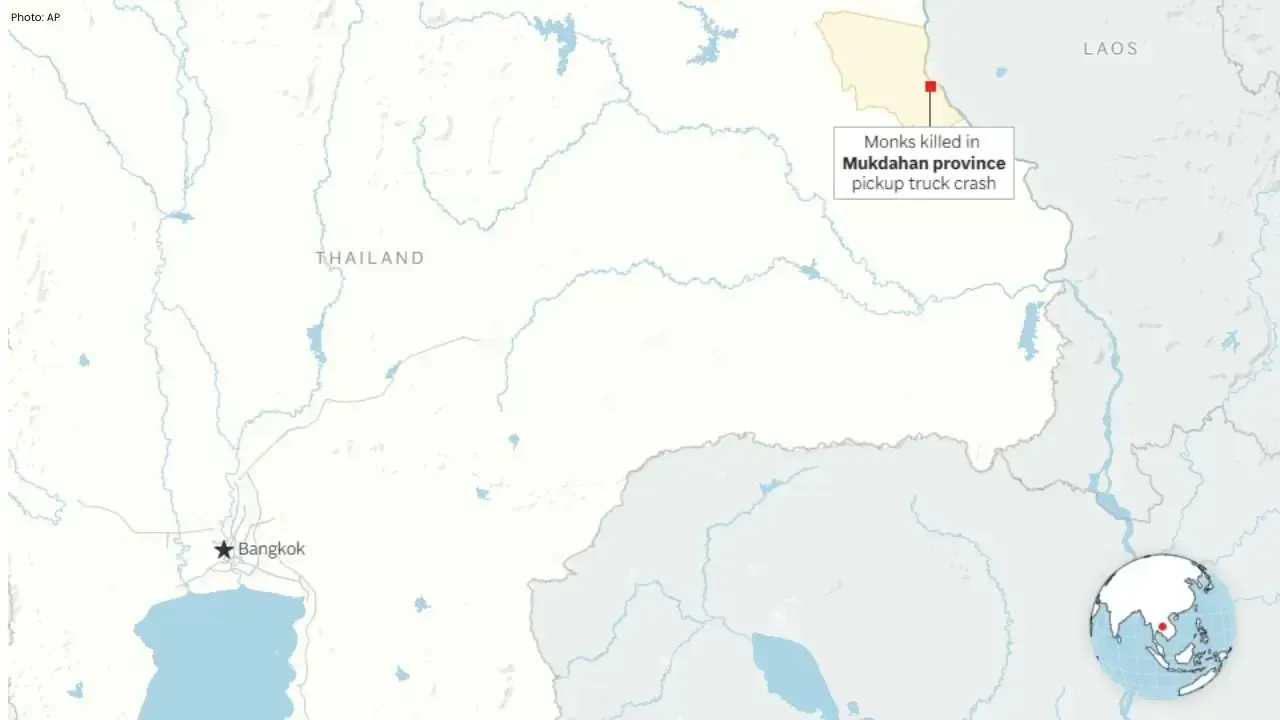
Nine Monks Killed in Thailand Pickup Truck Tragedy
An 11-year-old boy driving a pickup truck crashed into monks during a pilgrimage in northeastern Tha