
You have not yet added any article to your bookmarks!
Join 10k+ people to get notified about new posts, news and tips.
Do not worry we don't spam!
Post by : Saif Rahman
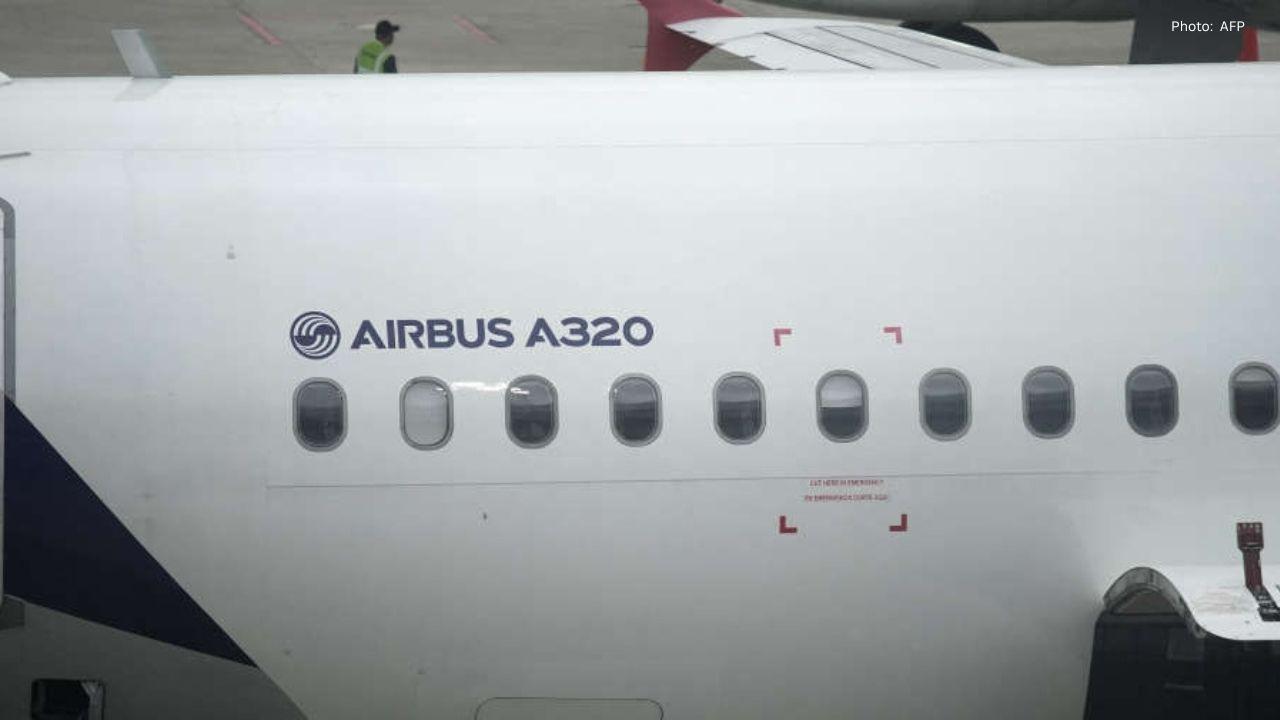
Air travel in Asia faced serious interruptions as airlines rushed to correct a software issue affecting thousands of Airbus A320 jets. This recall, which impacts approximately 6,000 aircraft globally, has led to considerable delays and cancellations throughout several nations. The A320 family, a favored choice in Asian aviation, is crucial for millions relying on these aircraft for short journeys, particularly during a peak travel season.
The recall was initiated after aviation authorities mandated airlines to remedy a glitch related to the software responsible for controlling vital flight components such as elevators and ailerons. These systems are imperative for maintaining safe operation during takeoff and landing phases. While experts suggest that the fix is straightforward—largely involving a reset or rollback to a previous software version—each plane must undergo this update prior to flying again, intensifying the disruption as airlines prioritized passenger safety.
In the United States, the Federal Aviation Administration has directed airlines to rectify this issue on A319, A320, and A321 models. The timing coincides with one of the heaviest travel weekends of the year, causing notable delays. However, the full extent of the impact has been particularly pronounced in Asia, where airlines operate extensive fleets of Airbus A320 jets. India, for instance, has over 330 affected aircraft. IndiGo, the leading airline in the country, has updated most of its fleet, while Air India continues with its maintenance efforts, advising customers of potential delays and schedule adjustments.
In Taiwan, authorities indicated that roughly two-thirds of the island's A320 and A321 aircraft were affected. They mandated swift inspections and repairs by airlines. Japan also encountered significant disturbances, with ANA Holdings canceling 65 flights in a single day and projecting further complications. Given that ANA operates a large number of A320 jets, the recall had an immediate adverse impact on weekend schedules. Conversely, Japan Airlines, which predominantly utilizes Boeing planes, managed to avoid significant delays.
The disruption extended to Australia, South Korea, Germany, the United Kingdom, Colombia, and beyond. Jetstar in Australia reported extensive delays, particularly at busy airports like Melbourne. Asiana Airlines in South Korea anticipated minimal issues, although Korean Air had to address a segment of its fleet. Lufthansa in Germany and easyJet in the UK also confirmed they would undertake the necessary software updates on their fleets. In Colombia, Avianca had to halt ticket sales for flights until December 8, as over 70% of their aircraft required repairs.
According to Airbus, the concern arose after an alarming incident on October 30 when a JetBlue flight from Mexico to the U.S. experienced a drastic drop in altitude, resulting in injuries to several passengers. Following an investigation, aviation experts reconfirmed that this incident was linked to the identified software issue, prompting the push for a worldwide recall to prevent future occurrences.
Despite the simplicity of the repair, this recall stands as one of the most extensive in Airbus's history, showcasing the crucial role of software systems in modern aviation and how even minor errors can lead to substantial global ramifications. Airlines face the challenge of ensuring safety while meeting travel demands, and passengers are urged to exercise patience as carriers work to restore their operations.
The travel sector anticipates that the majority of planes will return to regular operations in the coming days. Nevertheless, this recall underscores the importance of prioritizing safety, even at the cost of delays. As airlines worldwide work on repairing their fleets, passengers should remain informed about flight status and expect potential itinerary changes.










PM Modi Pays Tribute to Mahatma Gandhi, Urges People to Support Khadi
PM Modi pays tribute to Mahatma Gandhi on Gandhi Jayanti and urges citizens to support Khadi and the

Amazon Seeks to Offload $8 Billion in Nvidia Chips to Investors
Amazon plans to move $8 billion in Nvidia chips to investors, using a new financing model to strengt

Samsung Raises Galaxy S26 Prices as Memory Chip Costs Rise
Samsung raises Galaxy S26 prices in South Korea as rising memory chip costs put pressure on smartpho

Lewis Hamilton Calls Singapore Grand Prix One of F1's Toughest Races
Lewis Hamilton discusses the demanding Singapore Grand Prix and brings Plus44 and Almave to Singapor

Denmark's Pandora Opens World's Largest Jewellery Factory in Vietnam
Pandora opens its largest jewellery factory in Vietnam, expanding global production, strengthening s

Gautam Gambhir Questions Batting-Friendly Pitches After India's Record ODI Chase
Gautam Gambhir questions batting-friendly ODI pitches after India’s record chase, calling for a bett

