
You have not yet added any article to your bookmarks!
Join 10k+ people to get notified about new posts, news and tips.
Do not worry we don't spam!
Post by : Shweta
Airlines worldwide are facing significant operational challenges as they cancel, reduce, or suspend numerous international routes. This turmoil is primarily driven by escalating fuel prices, airspace restrictions, and ongoing conflicts in the Middle East, which have introduced serious disruptions in global aviation. Carriers in regions including Europe, Asia, Australia, and North America are reshaping their schedules, as mounting pressures from the Iranian situation and West Asian instability manifest in their operations.
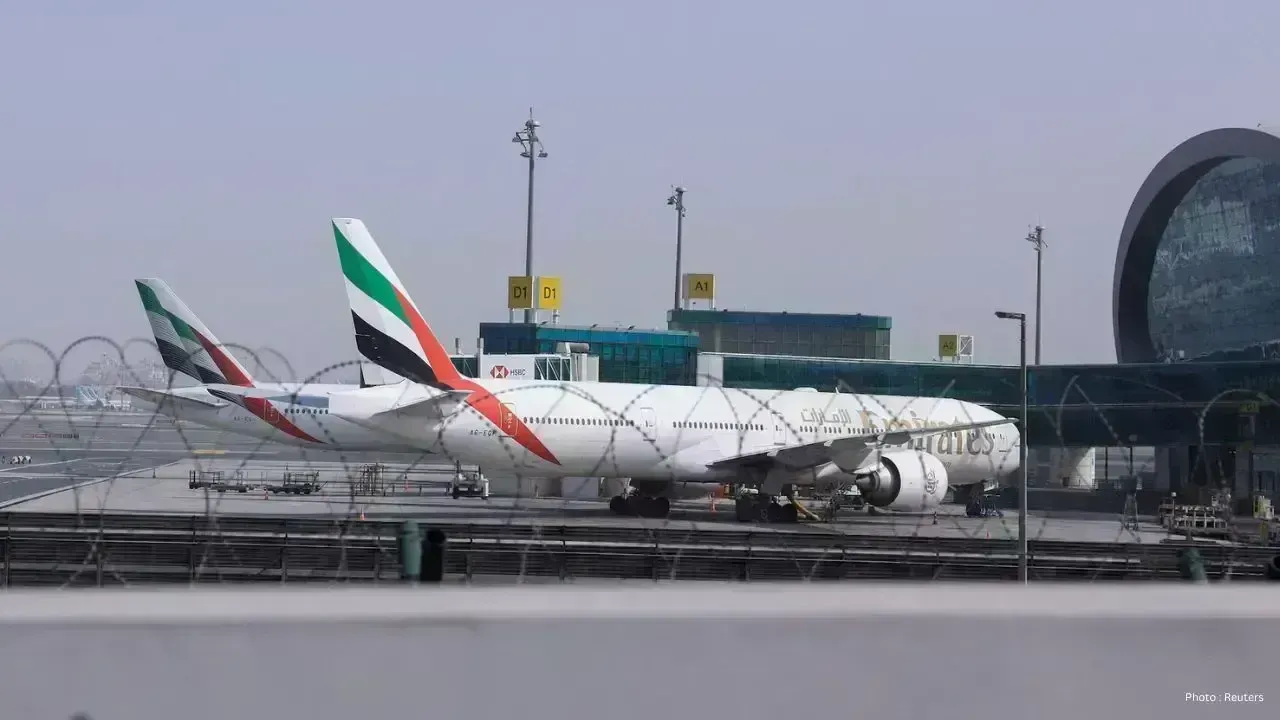
The Middle East has seen some of the most notable effects, with various airlines halting flights to key destinations such as Dubai, Riyadh, Tel Aviv, Beirut, and Tehran due to safety concerns and restricted airspace. This has necessitated rerouting of aircraft away from conflict areas, leading to longer flight times and increased fuel consumption.
Among the hardest hit are the airlines under the Lufthansa Group, who have reported substantial route cuts. Multiple services to Middle Eastern cities, including Dubai and Tel Aviv, have been suspended until May 31. Other routes to locations like Beirut, Muscat, and Tehran are said to remain grounded until October, as Lufthansa cancels around 20,000 short-haul flights due to rising operational costs.
In the UK, Lufthansa confirmed the permanent cancellation of its direct Glasgow-to-Frankfurt service, effective June 2026, attributing this to soaring fuel prices stemming from instability in the global oil market linked to the Iran conflict.
Australian airline Qantas has also been proactive, implementing flight cuts and modifying its timetable for both domestic and international routes. The adjustments include reductions on selected European, Asian, and trans-Tasman services, alongside the temporary suspension of the Sydney-to-Bengaluru route starting in August, driven by high fuel prices and ongoing instability in global aviation.
Meanwhile, Air Canada has paused its financial outlook for 2026 due to the uncertainties related to the Iran conflict and rising jet fuel costs. The airline is also reducing capacity by trimming less profitable routes and hiking ticket prices.
Indian carriers are grappling with challenges as many international flights from India to Europe typically traverse Middle Eastern airspace. Airlines like Air India, IndiGo, and Akasa Air have cancelled or diverted routes linked to the Gulf region, with services to destinations like Abu Dhabi and Riyadh suspended during times of increased military tensions.
Aviation reports indicate that over 3,000 flights have been cancelled and more than 18,000 delayed during critical periods of the crisis, leading to significant disruptions at major global hubs in the Gulf region. This has left hundreds of thousands of travelers stranded or compelled to change their plans.
The European airline sector has been particularly affected, with many long-haul flights traditionally relying on Middle Eastern air corridors now rerouting across Central Asia or southern Europe—a change that increases fuel consumption and costs.
Carriers such as British Airways, Emirates, and Qatar Airways have either limited services, suspended certain routes, or introduced flexible booking policies in light of ongoing uncertainties. Some airlines are operating only through controlled aviation corridors sanctioned by regional authorities.
Travel experts caution that without a decrease in fuel prices or a resolution of regional tensions, the aviation industry could face ongoing disturbances in the upcoming months. Smaller regional airports in Europe may be particularly at risk, with reduced flight schedules potentially undermining their financial stability in the wake of pandemic recovery efforts.
Despite these hurdles, the appetite for international travel has remained robust, especially for routes from Europe to Asia and North America. Some airlines are diverting aircraft capacity from Middle Eastern destinations towards more lucrative long-haul markets with greater passenger demand.
Industry analysts suggest that airlines must navigate a delicate balance between safety, cost, and passenger needs as they prepare for what could be one of the most turbulent periods in aviation history. As geopolitical tensions continue to impact fuel supplies and airspace, travelers are urged to stay informed on airline updates prior to their journeys.










PM Modi Pays Tribute to Mahatma Gandhi, Urges People to Support Khadi
PM Modi pays tribute to Mahatma Gandhi on Gandhi Jayanti and urges citizens to support Khadi and the

Amazon Seeks to Offload $8 Billion in Nvidia Chips to Investors
Amazon plans to move $8 billion in Nvidia chips to investors, using a new financing model to strengt

Samsung Raises Galaxy S26 Prices as Memory Chip Costs Rise
Samsung raises Galaxy S26 prices in South Korea as rising memory chip costs put pressure on smartpho

Lewis Hamilton Calls Singapore Grand Prix One of F1's Toughest Races
Lewis Hamilton discusses the demanding Singapore Grand Prix and brings Plus44 and Almave to Singapor

Denmark's Pandora Opens World's Largest Jewellery Factory in Vietnam
Pandora opens its largest jewellery factory in Vietnam, expanding global production, strengthening s

Gautam Gambhir Questions Batting-Friendly Pitches After India's Record ODI Chase
Gautam Gambhir questions batting-friendly ODI pitches after India’s record chase, calling for a bett

