You have not yet added any article to your bookmarks!
Join 10k+ people to get notified about new posts, news and tips.
Do not worry we don't spam!
Post by : Meena Ariff
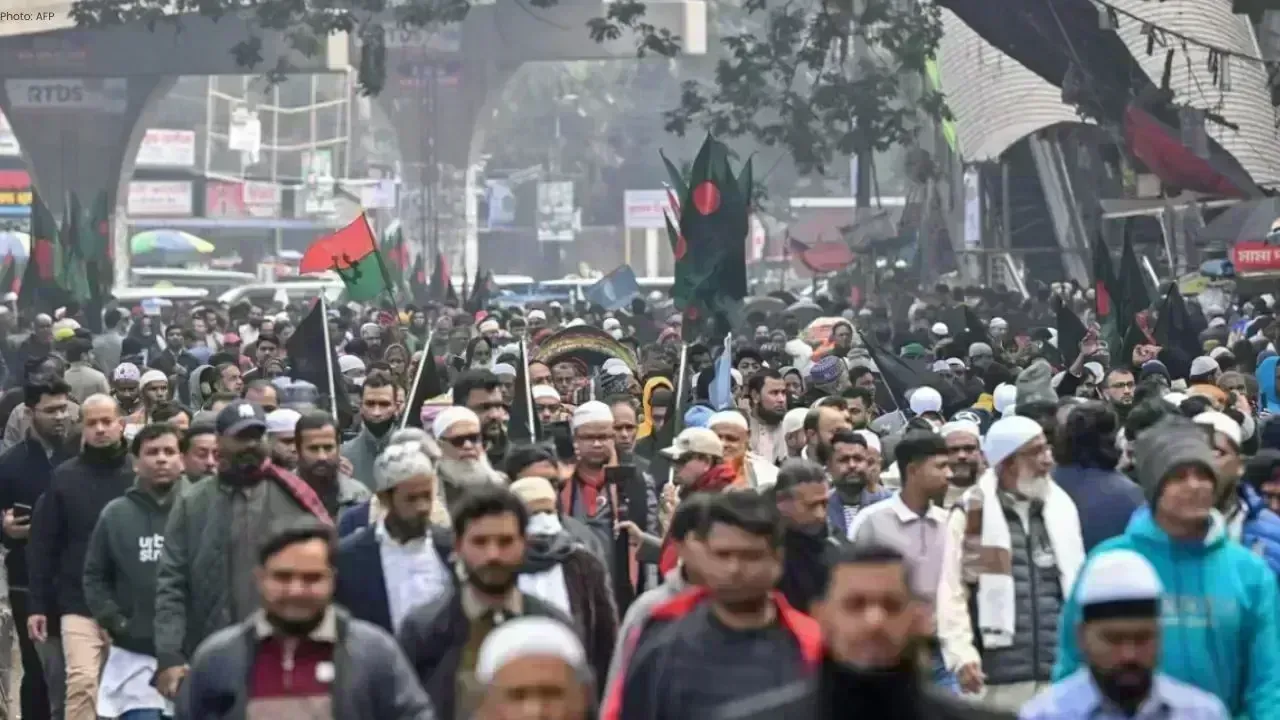
Hundreds of thousands of people travelled from all parts of Bangladesh to Dhaka on Wednesday to pay their last respects to former Prime Minister Khaleda Zia, as the country mourned the passing of one of its most influential political figures.
Khaleda Zia, Bangladesh’s first woman prime minister, died on Tuesday at the age of 80 after battling a prolonged illness. Streets near the parliament complex were filled with mourners as a motorcade carrying her body, including a hearse draped in the national flag, made its way through the capital.
People lined the roads offering prayers and holding flags bearing her image. Flags flew at half-mast across the nation, while thousands of security personnel were deployed to manage the large crowds attending the funeral procession.
“I travelled a long distance just to bid her farewell,” said Setara Sultana, a supporter of the Bangladesh Nationalist Party. “Even catching a glimpse of the vehicle carrying her body was meaningful for me.”
Sharmina Siraj, a mother of two, described Zia as a role model for women, noting that education programmes introduced during her leadership played a key role in shaping her daughters’ futures. She said Zia’s contribution to women’s empowerment left a lasting impact.
Earlier in the day, Zia’s body was taken to the home of her son, Tarique Rahman, where he was seen reciting verses from the Quran near her office. The funeral was attended by several regional leaders and dignitaries, underscoring Zia’s influence beyond Bangladesh.
Zia’s rise in politics was remarkable. She entered public life after the assassination of her husband, President Ziaur Rahman, in 1981, and later emerged as the leader of the Bangladesh Nationalist Party. She served two terms as prime minister, first in 1991 and again in 2001.
Recognised for her strong opposition to military rule, Zia faced arrests and political pressure while campaigning for democratic reforms. Alongside her long-time rival Sheikh Hasina, she played a defining role in the country’s modern political history.
In her later years, Zia battled serious health problems and legal challenges but remained a powerful symbol of resistance for her supporters. Despite her declining health, her party had announced plans for her to contest the parliamentary elections scheduled for February 2026.
Khaleda Zia will be laid to rest beside her late husband, marking the close of a significant chapter in Bangladesh’s political life. The overwhelming turnout at her funeral is widely seen as a testament to her enduring popularity and the respect she commanded across the nation.
Her son, Tarique Rahman, said the country had lost a guiding force that helped shape its democratic vision.
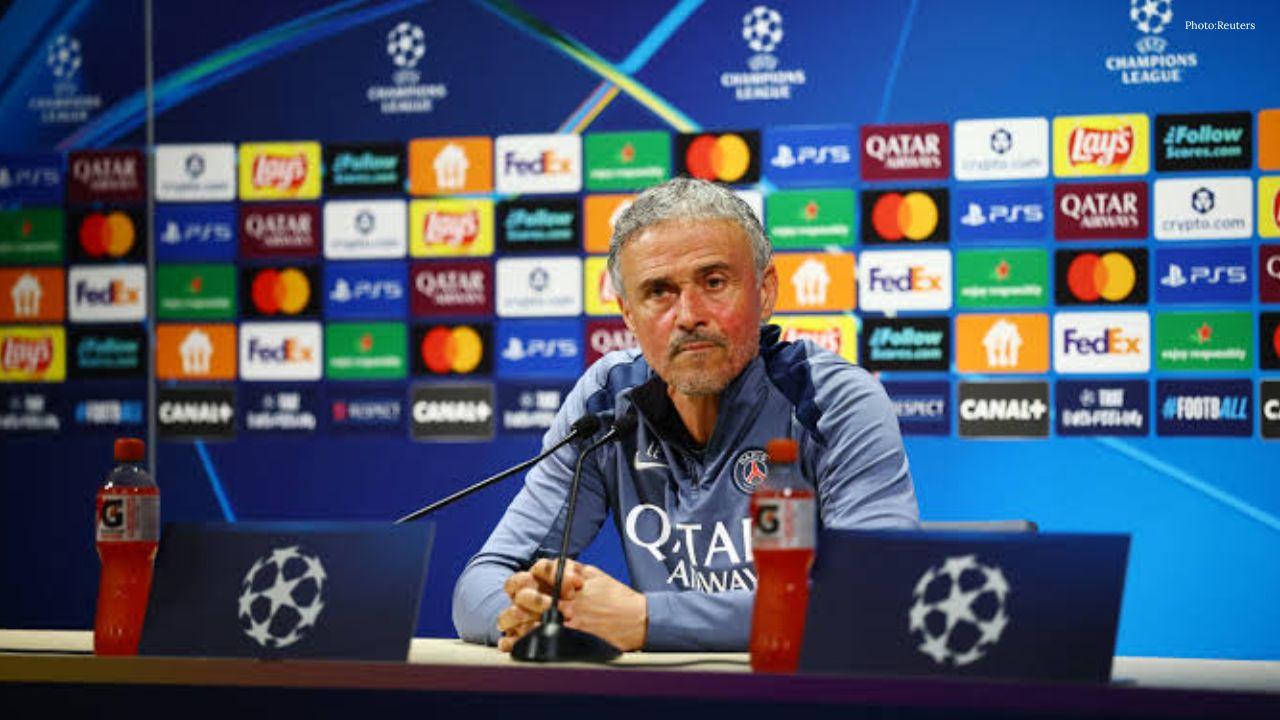




PSG Coach Luis Enrique Urges Players to Step Outside Comfort Zone
PSG coach Luis Enrique says players must leave their comfort zone and keep improving as the club tar

China’s Tiangong Sets New 400m Record at Robot Olympics
China’s Tiangong robot sets a new 400m record at the Robot Olympics, beating a South African robot i

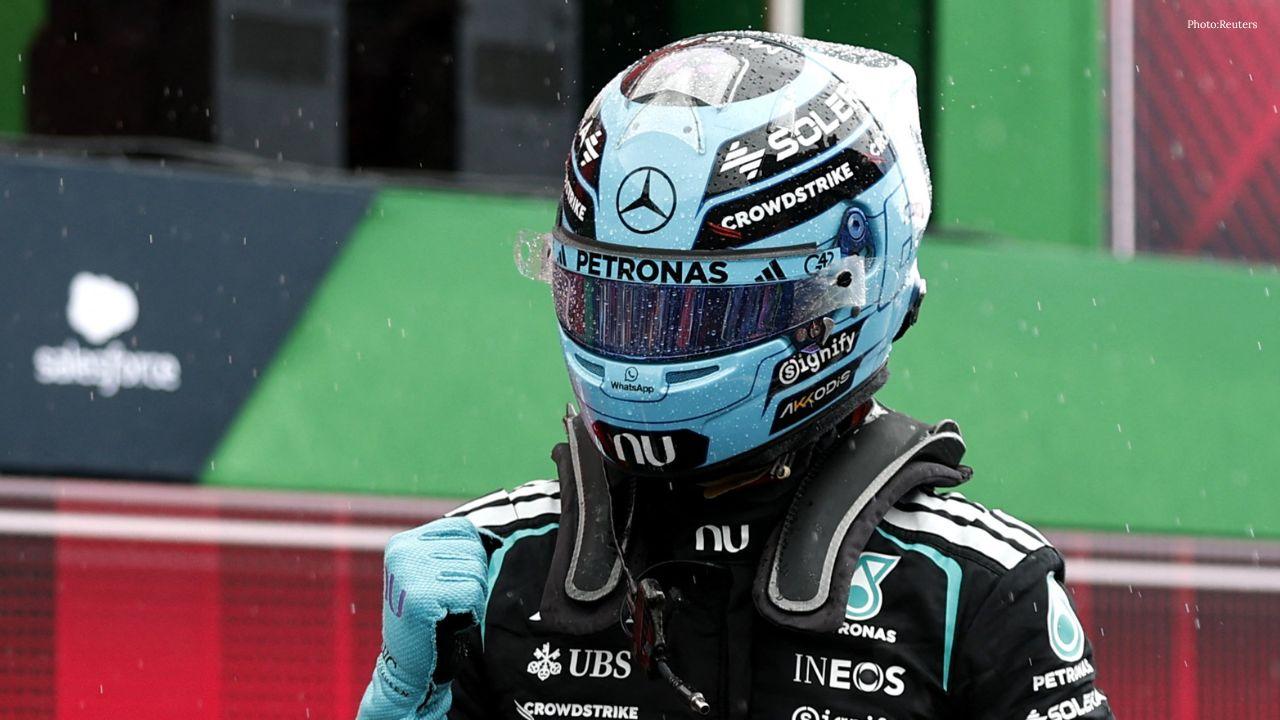
George Russell Wins Dutch GP Sprint, Boosts Mercedes Morale
George Russell wins the Dutch GP Sprint from pole as Mercedes teammate Kimi Antonelli extends his F1
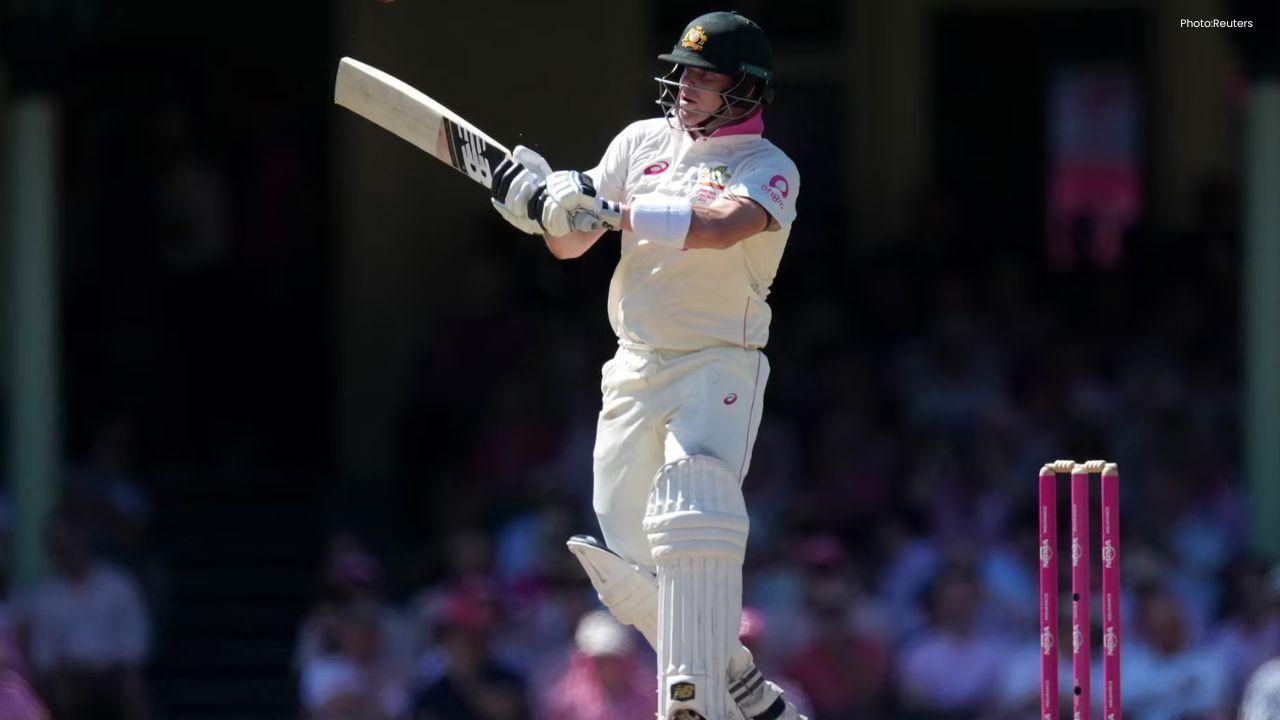
Australia 50/3 After Bangladesh Bowled Out for 64 in Second Test
Australia reached 50/3 after Bangladesh were bowled out for 64 in the second Test, with Mitchell Sta

Jordan Burroughs Returns to Wrestling with 2028 Olympic Dream
Jordan Burroughs returns to wrestling with Real American Freestyle as the Olympic champion eyes a po

Lamborghini Catches Fire on Singapore's ECP, Causing Heavy Traffic
A Lamborghini caught fire on Singapore's ECP, causing heavy traffic and bus delays. No injuries were