You have not yet added any article to your bookmarks!
Join 10k+ people to get notified about new posts, news and tips.
Do not worry we don't spam!
Post by : Saif Rahman
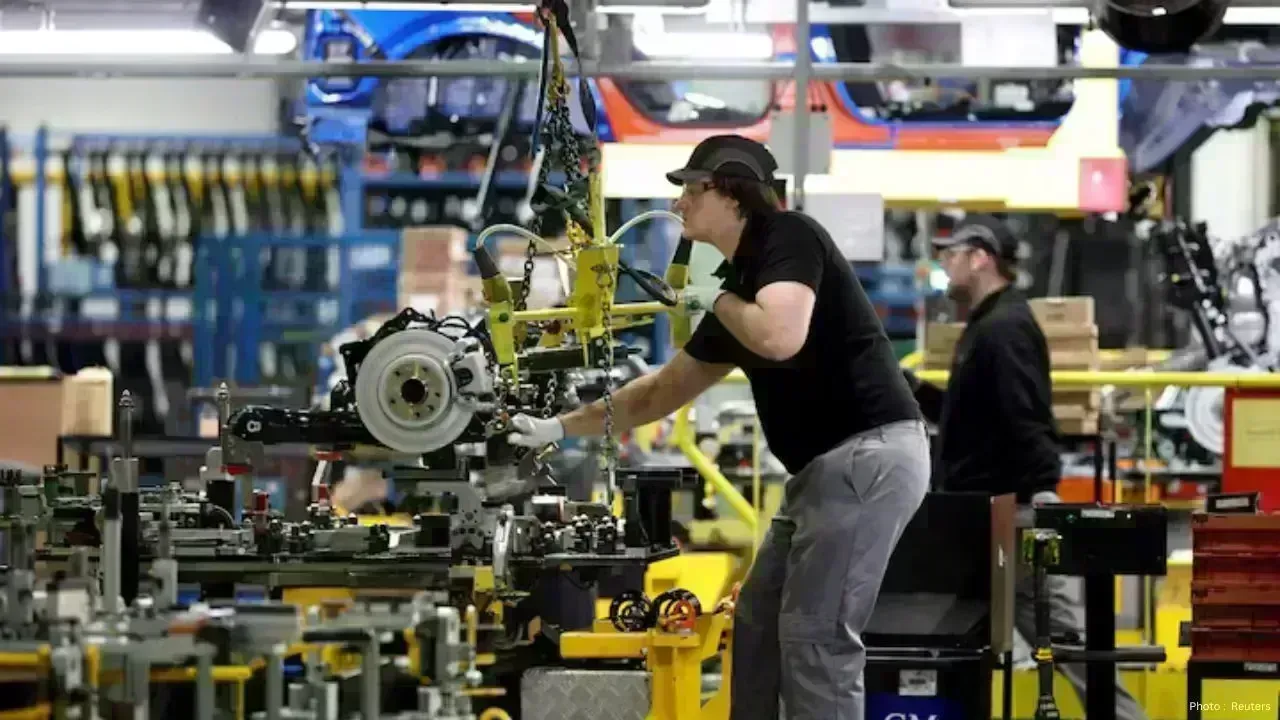
Manufacturers across the UK are grappling with significant challenges as the ongoing conflict involving Iran continues to disrupt global supply chains. Rising costs and slower delivery times are creating heightened uncertainty for businesses.
Although recent figures indicate growth in manufacturing activity, the rate of this expansion is being significantly pressured. Companies are increasingly reporting escalated raw material and energy costs closely linked to global tensions in critical regions.
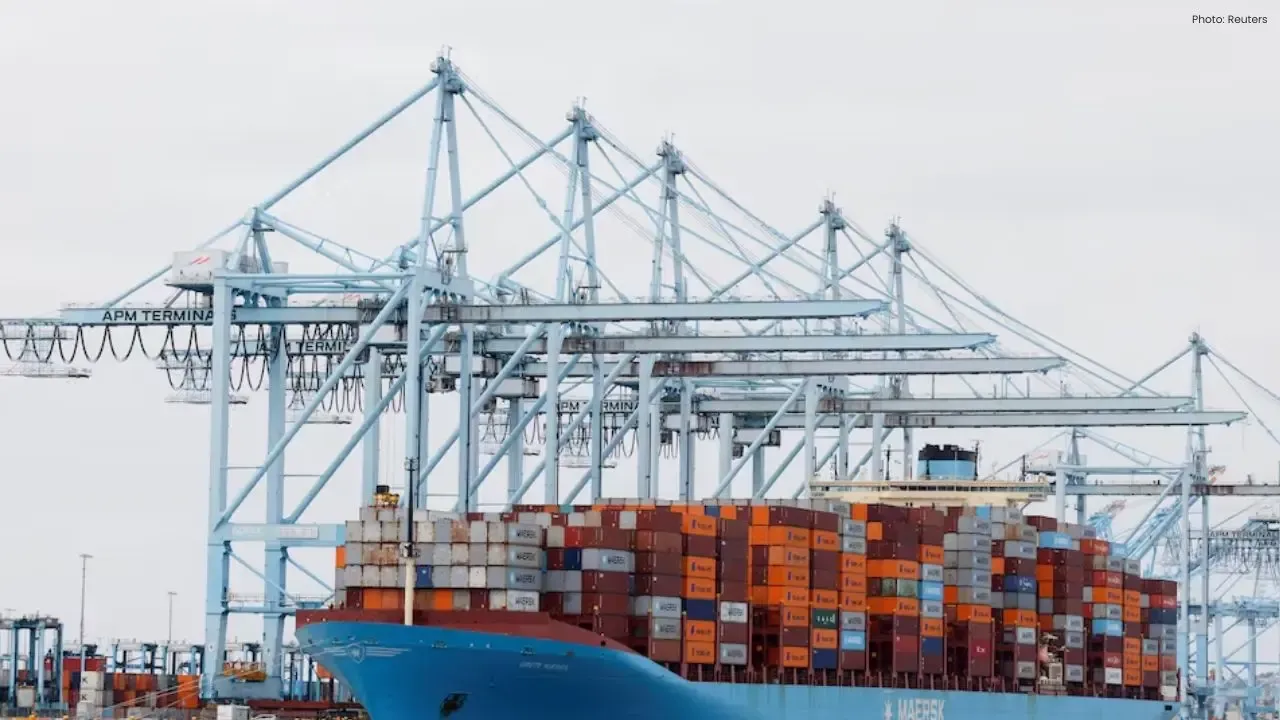
A major hurdle for the industry is the disruption of vital shipping routes. When conflicts affect these transport pathways, it complicates and raises the costs of distributing goods. This often forces companies to find longer, costlier routes, leading to extended delivery timelines.
Consequently, UK factories are experiencing delays in receiving essential materials for production. The longer wait times can hinder operational efficiency, making it tough for companies to satisfy demand promptly.
Escalating energy prices are further complicating matters. The manufacturing sector heavily relies on energy, and spikes in fuel costs contribute to increased production expenses. Companies often shift these higher costs onto customers, resulting in elevated prices for final products.
This scenario is not solely limited to the UK; the ramifications of the Iran conflict are being felt internationally. Increasing oil prices and supply chain interruptions present complications for industries around the globe.
In response to these challenges, several firms have begun stockpiling materials. While this enables temporary production continuity, it’s an untenable long-term strategy; prolonged supply issues could lead to depleted reserves.
Business confidence has waned, as many manufacturers harbor concerns about the future amid rising costs and delays. This uncertainty can influence investment strategies and future planning.
Inflation remains a critical concern, as increases in production costs invariably drive up goods prices. This phenomenon impacts both businesses and consumers, diminishing purchasing power and stifling overall economic growth.
Despite these obstacles, segments of the manufacturing industry are displaying resilience. Some companies continue hiring and sustaining production levels, but this stability may erode if global conditions remain volatile.
This situation underscores the interconnectedness of the global economy—regional conflicts can have ripple effects across various industries. The tensions in the Middle East are notably affecting UK manufacturing.
It also emphasizes the necessity for adaptable supply chains. Businesses reliant on a narrow range of suppliers or routes are more vulnerable to disruptions. Many may now seek alternative strategies to mitigate risks moving forward.
Governments and policymakers are also confronted with significant challenges. Striking a balance between curbing rising prices and fostering economic growth becomes increasingly complex in periods of uncertainty.
For consumers, the repercussions manifest in daily life, as rising production costs can lead to pricier goods, straining household budgets. This necessitates careful management by both businesses and government entities.
The current landscape serves as a potent reminder of the essential role global stability plays in advancing economic growth. As disruptions persist, industries will need to adapt and innovate in their operations.
While UK factories are making adjustments to navigate these changes, the way forward remains riddled with uncertainty. Their capacity to handle escalating costs and delays is crucial for the future sustainability of the manufacturing sector.






Lamborghini Catches Fire on Singapore's ECP, Causing Heavy Traffic
A Lamborghini caught fire on Singapore's ECP, causing heavy traffic and bus delays. No injuries were

Bangkok Airport Duty-Free Area Flooded by Pipe Burst
A burst water pipe flooded the duty-free shopping area at Bangkok's Suvarnabhumi Airport on July 16,
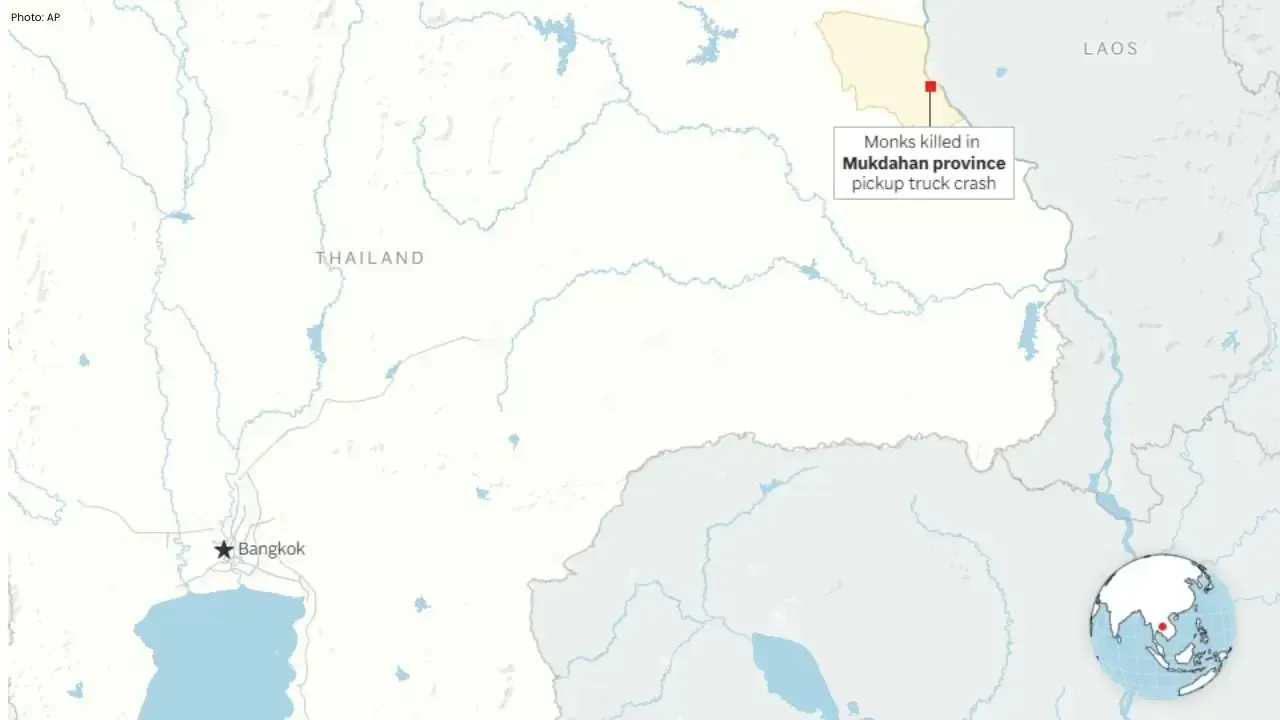
Nine Monks Killed in Thailand Pickup Truck Tragedy
An 11-year-old boy driving a pickup truck crashed into monks during a pilgrimage in northeastern Tha
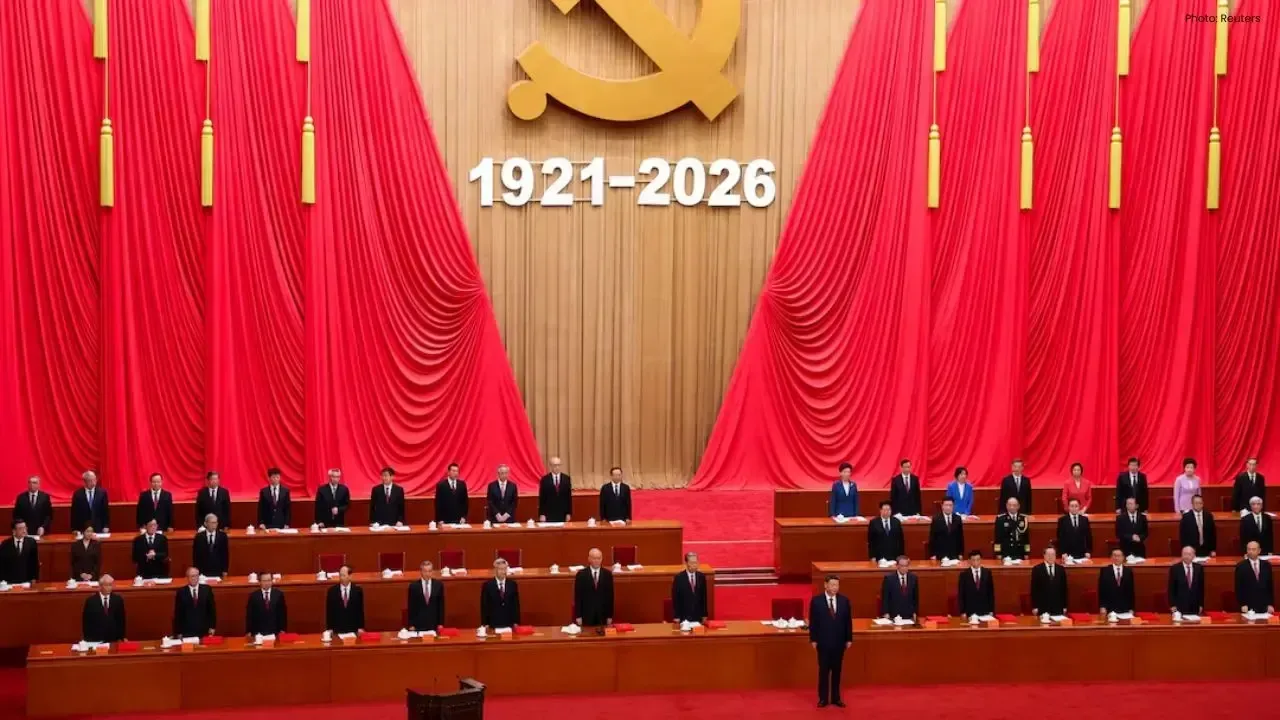
Anwar Congratulates Xi on CPC's 105th Anniversary
Malaysia reaffirms strong ties with China as PM Anwar Ibrahim sends a congratulatory letter to Presi
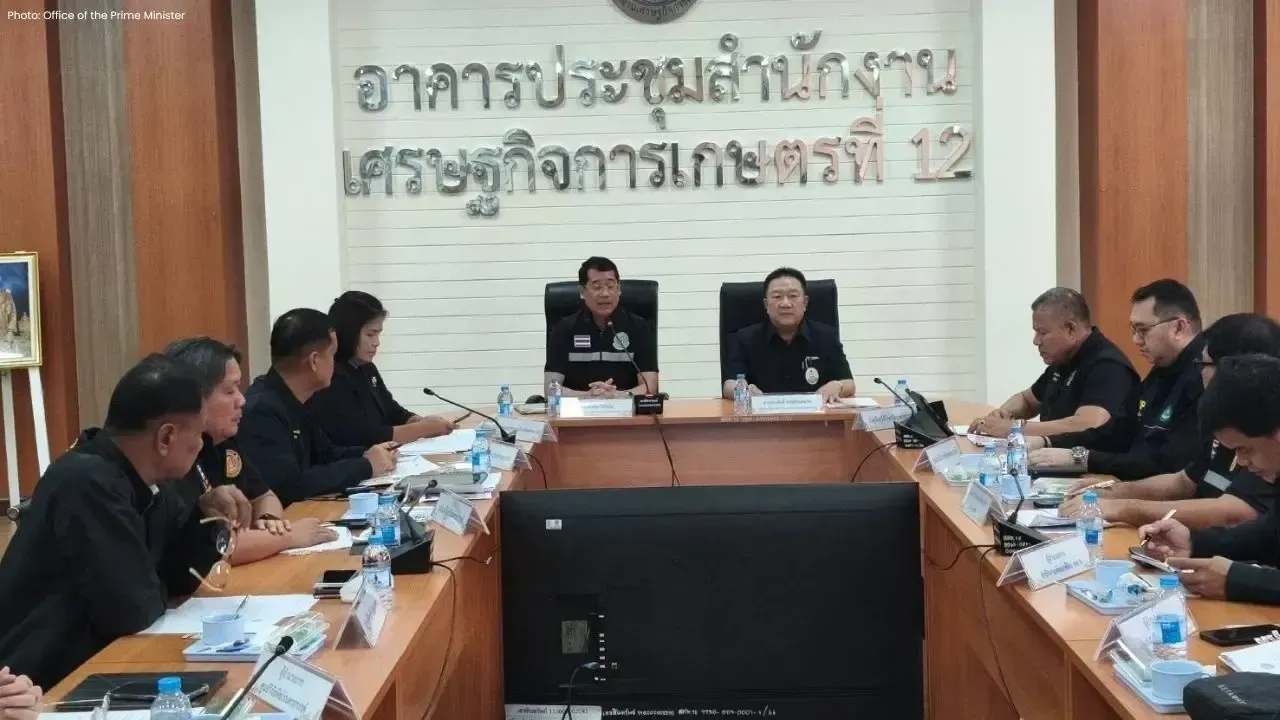
Thai Agriculture Team Reviews 2026 Farm Development Plans
Agriculture Ministry officials inspected livestock and organic rice projects in Nakhon Sawan to moni

Thailand, Canada Boost Ties in PM-Level Phone Talks
Thailand and Canada agreed to strengthen trade, security, OECD cooperation and ASEAN-Canada FTA talk