
You have not yet added any article to your bookmarks!
Join 10k+ people to get notified about new posts, news and tips.
Do not worry we don't spam!
Post by : Shakul
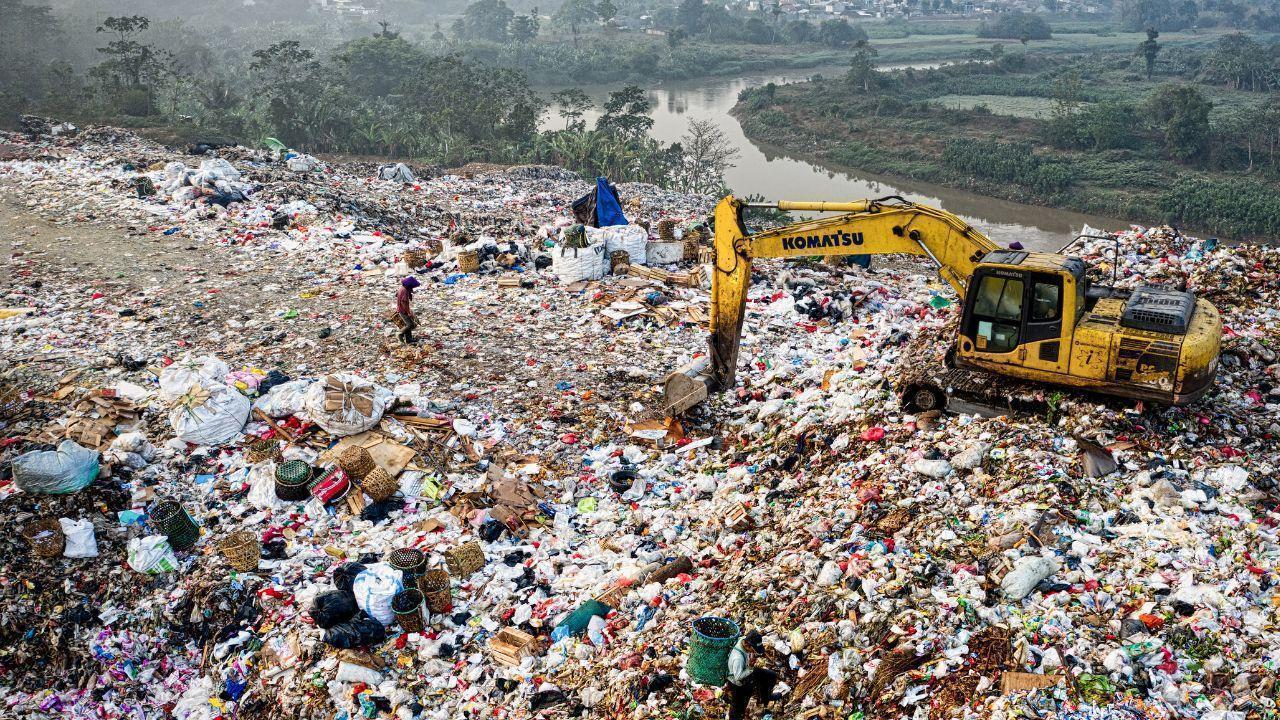
Chinese environmental company Zhejiang Weiming Environment Protection has secured another major waste-to-energy project in Indonesia after being selected as the operating partner for the Bogor Raya facility, expanding its role in the country’s ambitious waste management program.
The decision was announced by Indonesia’s sovereign wealth fund Danantara, which is overseeing the development of waste-to-energy plants across the country. The project forms part of a nationwide initiative aimed at addressing Indonesia’s growing waste crisis and improving sustainable waste management.
Indonesia plans to develop waste-to-energy plants in 33 cities, requiring an estimated investment of Rp84 trillion (around $5 billion). The first phase focuses on several major urban areas where waste pollution has become increasingly severe.
Weiming was previously selected to operate the Denpasar waste-to-energy plant, meaning the company now manages two projects under the program. According to Danantara officials, selected partners are expected to maintain high operational standards, comply with environmental regulations and work closely with local communities.
Authorities have also asked Weiming to form a consortium with Indonesian companies to ensure technology transfer and strengthen cooperation with regional governments. However, the identity of the local partner has not yet been publicly disclosed.
Another Chinese firm, Wangneng Environment, has also won a contract to operate the Bekasi waste-to-energy facility, highlighting the strong presence of Chinese companies in Indonesia’s waste-management infrastructure projects.
A company report published by Weiming earlier showed it operates more than 50 waste-to-energy facilities globally, processing around 37,000 tons of waste per day across its projects.
Economic cooperation between Indonesia and China has grown significantly in recent years. Indonesian government data indicates that mainland Chinese investors contributed about $7.5 billion in investments, while funds from Hong Kong reached $10.6 billion during the same period.
Officials estimate the waste-to-energy program could generate a tenfold multiplier effect for Indonesia’s economy and create roughly 3,500 jobs, both directly and indirectly.
Construction for the first group of projects is expected to begin in the third quarter of 2026, with the full rollout targeted for completion by late 2027.
Indonesia’s president Prabowo Subianto has pushed for faster implementation of the initiative, warning that the country’s growing waste problem could harm its tourism industry. Authorities have particularly raised concerns about popular destinations such as Bali, where waste management challenges have intensified alongside rising visitor numbers.
The program aims to convert large volumes of urban waste into electricity while reducing landfill dependency and improving environmental conditions in some of Indonesia’s most densely populated cities.









PM Modi Pays Tribute to Mahatma Gandhi, Urges People to Support Khadi
PM Modi pays tribute to Mahatma Gandhi on Gandhi Jayanti and urges citizens to support Khadi and the

Amazon Seeks to Offload $8 Billion in Nvidia Chips to Investors
Amazon plans to move $8 billion in Nvidia chips to investors, using a new financing model to strengt

Samsung Raises Galaxy S26 Prices as Memory Chip Costs Rise
Samsung raises Galaxy S26 prices in South Korea as rising memory chip costs put pressure on smartpho

Lewis Hamilton Calls Singapore Grand Prix One of F1's Toughest Races
Lewis Hamilton discusses the demanding Singapore Grand Prix and brings Plus44 and Almave to Singapor

Denmark's Pandora Opens World's Largest Jewellery Factory in Vietnam
Pandora opens its largest jewellery factory in Vietnam, expanding global production, strengthening s

Gautam Gambhir Questions Batting-Friendly Pitches After India's Record ODI Chase
Gautam Gambhir questions batting-friendly ODI pitches after India’s record chase, calling for a bett

