You have not yet added any article to your bookmarks!
Join 10k+ people to get notified about new posts, news and tips.
Do not worry we don't spam!
Post by : Anis Farhan
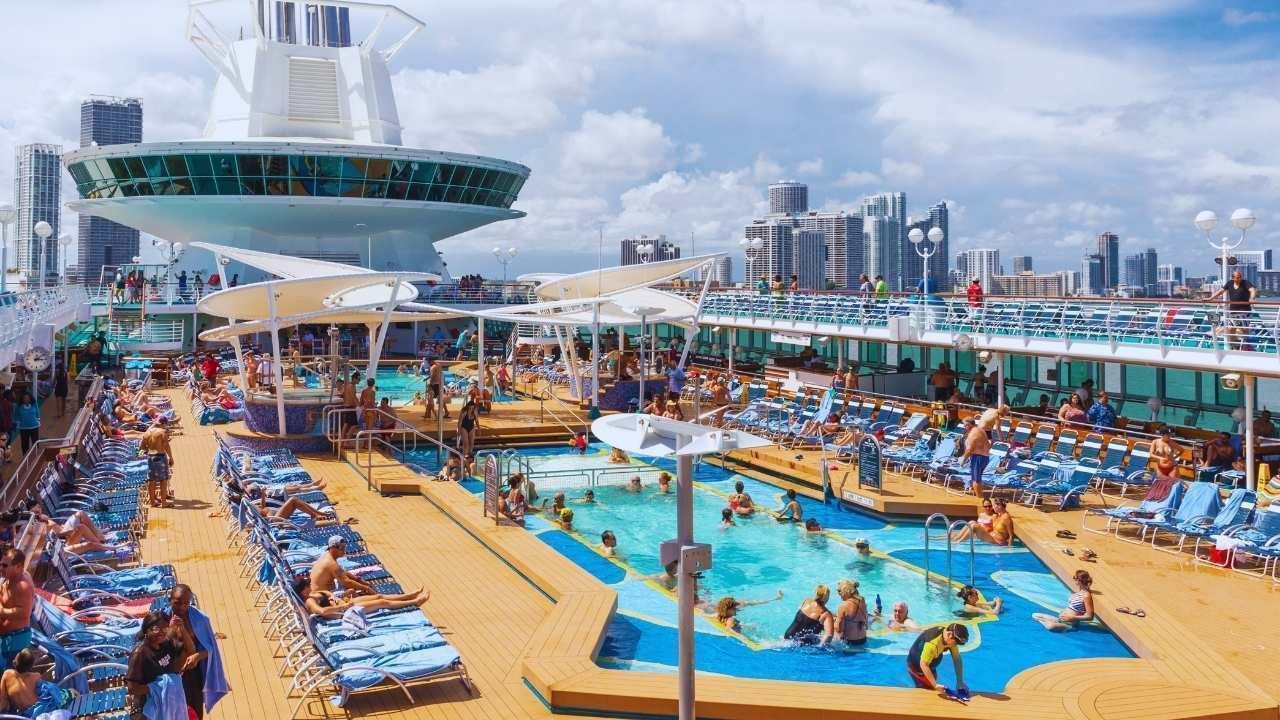
Cruise tourism in Asia is entering a golden era. Over the past decade, the region has witnessed a surge in cruise passengers, with major ports in Singapore, Hong Kong, Japan, and Thailand becoming pivotal hubs. The combination of modern ships, diverse itineraries, and increasing interest in luxury and experiential travel has propelled Asia into the spotlight as a leading cruise destination.
The growth of cruise tourism reflects broader trends in the region’s travel and hospitality sectors. Rising disposable incomes, urbanization, and changing travel preferences among millennials and older generations alike have contributed to this phenomenon. With an emphasis on both leisure and cultural immersion, cruise tourism is redefining how travelers explore the region.
As the industry expands, the focus on safety and security has become paramount. Passengers expect seamless, worry-free experiences, while cruise lines must adapt to regulatory requirements, health protocols, and evolving risk landscapes. This dual emphasis on growth and safety underscores the dynamic nature of Asia’s cruise sector.
The cruise industry in Asia has grown faster than in many other regions of the world. Analysts estimate that passenger numbers have doubled over the last five years, with projections indicating continued growth through 2030.
Rising Middle-Class and Disposable Income
Many countries in Asia, including China, South Korea, and Singapore, have experienced rapid economic growth, resulting in a growing middle class with disposable income for leisure travel. Cruise vacations, once considered a luxury, are now accessible to a wider demographic.
Urbanization and Tourism Infrastructure
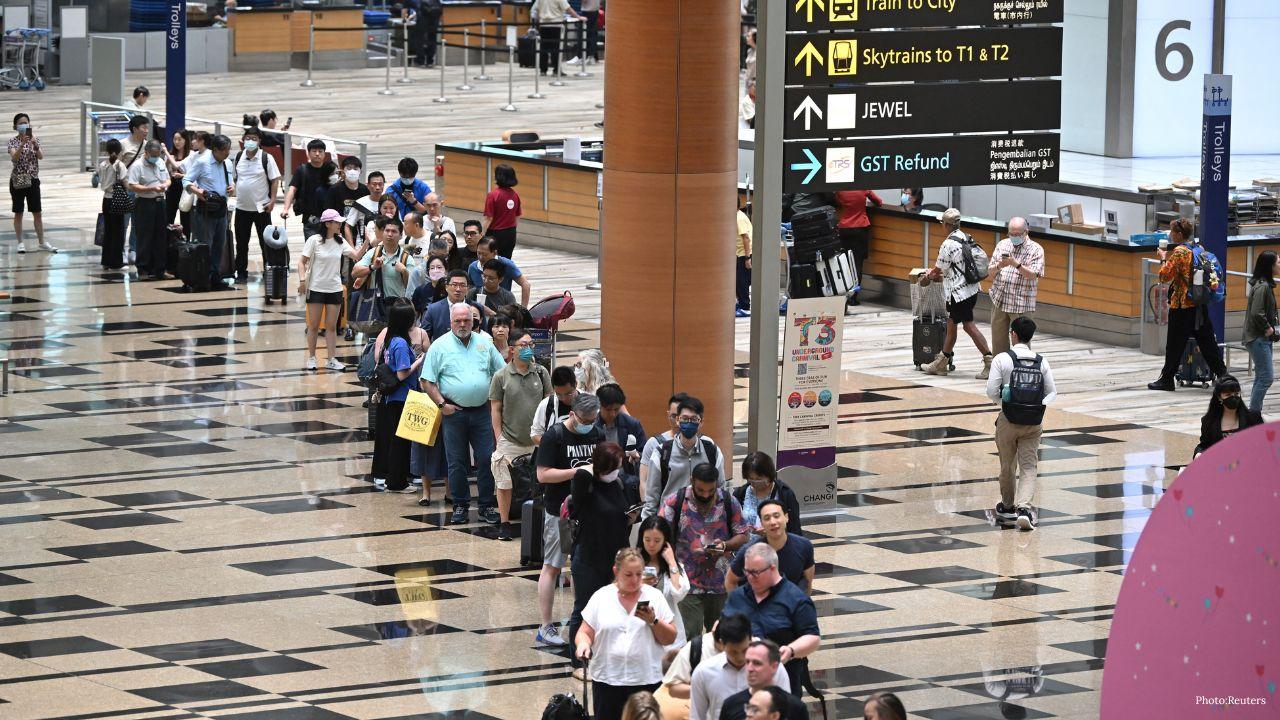
Investments in port infrastructure, modern cruise terminals, and improved transport connectivity have facilitated seamless boarding and disembarkation. Cities like Singapore and Hong Kong are strategically positioned as regional cruise hubs.
Diverse Itineraries and Experiences
Cruise lines offer itineraries that cater to different preferences, including cultural tours in Japan, tropical excursions in Thailand, and luxury shopping in Hong Kong. The diversity of options makes cruises attractive for both first-time travelers and seasoned passengers.
Marketing and Digital Influence
Aggressive marketing strategies and the influence of social media have popularized cruise experiences among younger travelers, who share their journeys online, further driving demand.
Singapore serves as a gateway to Southeast Asia, offering world-class port facilities and modern cruise terminals. Its strategic location and efficient infrastructure make it a preferred starting point for multi-destination cruises throughout the region.
Hong Kong combines urban sophistication with cultural heritage, making it a favored port for travelers seeking shopping, sightseeing, and culinary experiences. Its proximity to mainland China also attracts large numbers of passengers.
Thailand’s islands, including Phuket and Krabi, offer idyllic beaches, water sports, and cultural experiences. Cruises in Thailand attract travelers looking for both relaxation and adventure.
Japan’s ports, such as Yokohama and Osaka, are known for cultural tours, cherry blossom seasons, and historical sightseeing. Cruises in Japan cater to passengers seeking immersive experiences and seasonal attractions.
Other destinations gaining popularity include Vietnam, the Philippines, and Malaysia. These ports offer unique cultural experiences, natural beauty, and growing tourism infrastructure.
Cruise tourism contributes significantly to local economies through direct spending, job creation, and investment in infrastructure.
Boost to Local Economies
Passengers spend on tours, dining, shopping, and transportation, generating revenue for local businesses. Ports benefit from docking fees and associated services, creating a ripple effect in regional economies.
Job Creation
The cruise industry creates employment opportunities, ranging from onboard staff to port operations and local tour guides. These jobs support both skilled and unskilled workers, enhancing community livelihoods.
Cultural Exchange
Cruises promote cultural awareness by exposing passengers to local traditions, cuisines, and heritage. Shore excursions encourage cross-cultural understanding and foster appreciation for the region’s diversity.
As cruise tourism grows, ensuring passenger safety has become a top priority for operators and regulatory authorities.
Cruise lines have implemented stringent health protocols, particularly in the wake of the COVID-19 pandemic. Regular sanitization, onboard medical facilities, and mandatory health checks have become standard practices.
Ships are equipped with modern surveillance systems, security personnel, and emergency response protocols. Passengers are briefed on safety drills, ensuring preparedness for any incident.
Advanced navigation systems and real-time weather monitoring help ships avoid adverse conditions. Cruise lines coordinate with local authorities and meteorological agencies to ensure safe passage.
Operators adhere to international maritime safety regulations and local port authority guidelines. Compliance includes vessel inspections, crew training, and adherence to environmental standards.
Cruise ships are equipped with lifeboats, emergency communication systems, and trained personnel. Regular drills and emergency protocols ensure passengers can respond effectively in case of an incident.
Despite robust growth, the industry faces several challenges.
Environmental Concerns
Cruise ships can contribute to marine pollution and environmental degradation. Operators are adopting sustainable practices, including waste management, fuel efficiency, and eco-friendly shore excursions.
Overtourism and Cultural Sensitivity
Popular destinations sometimes experience overcrowding, straining local resources and affecting community life. Cultural awareness programs and passenger guidelines help mitigate negative impacts.
Geopolitical Risks
Political tensions, regional conflicts, and regulatory changes can affect cruise itineraries and passenger confidence. Cruise lines must adapt to evolving conditions and ensure contingency planning.
Economic Fluctuations
Global economic instability and currency fluctuations can affect travel demand and operational costs, requiring strategic pricing and marketing adjustments.
Technology is revolutionizing the cruise experience, improving safety, comfort, and entertainment.
Smart Ship Technology: Automated systems enhance navigation, energy efficiency, and onboard services.
Digital Port Management: Streamlined boarding, digital ticketing, and passenger tracking improve operational efficiency.
Augmented Reality Experiences: Passengers can explore historical sites and cultural landmarks virtually during excursions.
AI-Powered Services: Personalized recommendations for dining, activities, and entertainment enhance passenger satisfaction.
The future of cruise tourism in Asia appears bright, with continued expansion and diversification expected. Emerging trends include:
Luxury Cruises: High-end vessels offering bespoke experiences and exclusive itineraries.
Thematic Cruises: Cultural, culinary, wellness, and adventure-focused cruises tailored to niche interests.
Sustainable Tourism Initiatives: Greater emphasis on reducing environmental impact and promoting responsible travel.
Regional Collaboration: Governments and cruise operators working together to enhance infrastructure and regulatory frameworks.
Cruise tourism in Asia is more than a growing leisure trend—it is a transformative sector driving economic growth, cultural exchange, and regional development. The combination of diverse destinations, modern ships, and improved safety measures ensures that passengers can enjoy a secure, enriching experience.
As Asia continues to attract global travelers, the industry must balance growth with sustainability, safety, and cultural sensitivity. By doing so, cruise tourism can continue to thrive, offering unforgettable journeys that connect people, cultures, and destinations across the continent.
This article is intended for informational purposes only. It provides insights into the growth and safety measures of cruise tourism in Asia and does not constitute professional travel advice.










Rabada Misses First Australia Test as South Africa Pick Two Spinners
Kagiso Rabada misses the opener as South Africa vs Australia begins, with Anrich Nortje returning an

Starc Compares Australia's Tough Year to McIlroy's Major Sweep
Mitchell Starc says Australia winning three away Test series and the World Cup would match Rory McIl

France’s Sesterce Plans $11 Billion AI Data Centre in Finland
Sesterce plans a $11 billion AI data centre in Finland, with major expansion, green energy plans and

Danaher to Launch AI-Powered Autonomous Research Lab in 2027
Danaher plans an AI research lab for 2027, combining robotics and automation to speed up drug discov

Musk Welcomes German Support for Tesla Driver Assistance Tech as EU Approval Push Continues
Elon Musk welcomes Germany's backing for Tesla FSD as the company seeks EU approval amid speed, safe

Microsoft and Nvidia CEOs to Unveil AI Laptop at San Francisco Event
Microsoft and Nvidia showcase a new AI laptop with RTX Spark chips as they push powerful local AI co