You have not yet added any article to your bookmarks!
Join 10k+ people to get notified about new posts, news and tips.
Do not worry we don't spam!
Post by : Badri Ariffin
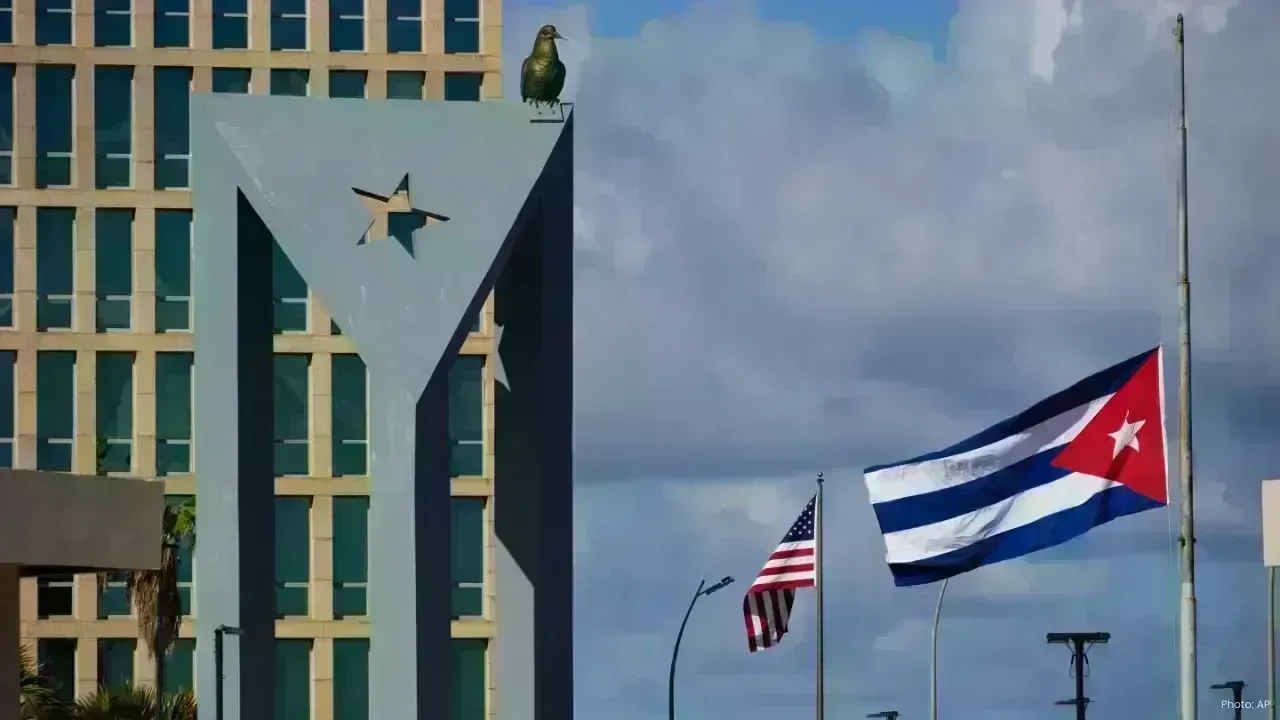
In the early hours of Monday, flags were lowered across Cuba as the nation observed a state of mourning for 32 security personnel reportedly killed in the U.S. strike targeting Venezuela. The atmosphere on the island was somber, reflecting not just the loss of life, but a pervasive anxiety about a new crisis that many fear will worsen everyday living conditions.
Venezuela has long been a vital ally to Cuba, with ties extending beyond just diplomacy. Cuban military and intelligence operatives have been intricately involved in Venezuela's security apparatus, often providing protection for President Nicolás Maduro. In exchange, Cuba has relied on Venezuelan oil to sustain its electricity, transportation, and a fragile economy.
Now, that crucial support appears jeopardized.
Authorities indicated that the deceased either resisted the attacks or lost their lives during bombings. Over the weekend, Havana condemned the U.S. operation as a “state terrorism” act, echoing deep-seated fears among ordinary Cubans about the future.
For years, challenges like shortages and blackouts have disrupted life in Cuba. With Maduro’s departure from Venezuela, many worry whether the oil deliveries, which previously alleviated some of their suffering, will continue.
Prior to the incident, Maduro’s government was supplying about 35,000 barrels of oil daily to Cuba, which accounted for approximately 25% of the island's consumption. Although this supply fell short of preventing blackouts, the cessation of shipments could have even dire consequences.
“I can't speak. I am overwhelmed,” remarked 75-year-old Berta Luz Sierra Molina, tears flowing as she reflected on the situation. In contrast, 63-year-old Regina Méndez expressed her readiness to resist, saying, “Give me a rifle; we must stand firm.”
Cuba faces limited alternatives. Financial constraints prevent them from purchasing oil in open markets. Shipments from Mexico have already decreased, while Russia provides some oil but nowhere near what Venezuela contributed. Although China could potentially assist, it may necessitate significant structural changes in Cuba's economy, adjustments the government has been hesitant to make.
From Washington, President Donald Trump conveyed that Maduro’s ousting was also designed to weaken Cuba, predicting further economic turmoil for the island nation and alluding to its impending decline.
In parallel, Trump suggested a U.S.-led revitalization of Venezuela's oil industry, stating it could rebound quickly if companies receive compensation. However, such a turnaround would take time, and it does not guarantee renewed oil flow to Cuba.
For now, Cuba stands at a crossroads. The mourning, protests, and declarations coexist with a profound, unspoken anxiety. Absent Venezuela, Cuba might confront its most formidable challenge yet, one that transcends politics and dwells in fuel shortages and darkened homes.



PSG Coach Luis Enrique Urges Players to Step Outside Comfort Zone
PSG coach Luis Enrique says players must leave their comfort zone and keep improving as the club tar

China’s Tiangong Sets New 400m Record at Robot Olympics
China’s Tiangong robot sets a new 400m record at the Robot Olympics, beating a South African robot i

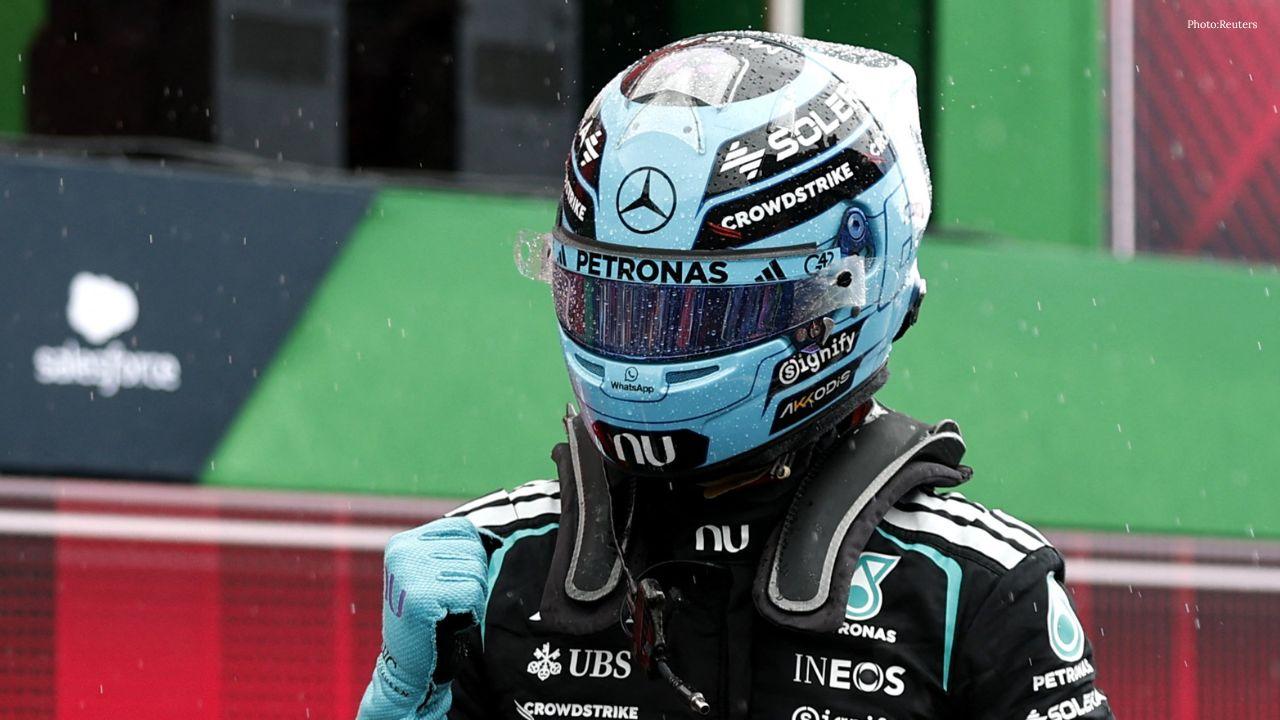
George Russell Wins Dutch GP Sprint, Boosts Mercedes Morale
George Russell wins the Dutch GP Sprint from pole as Mercedes teammate Kimi Antonelli extends his F1
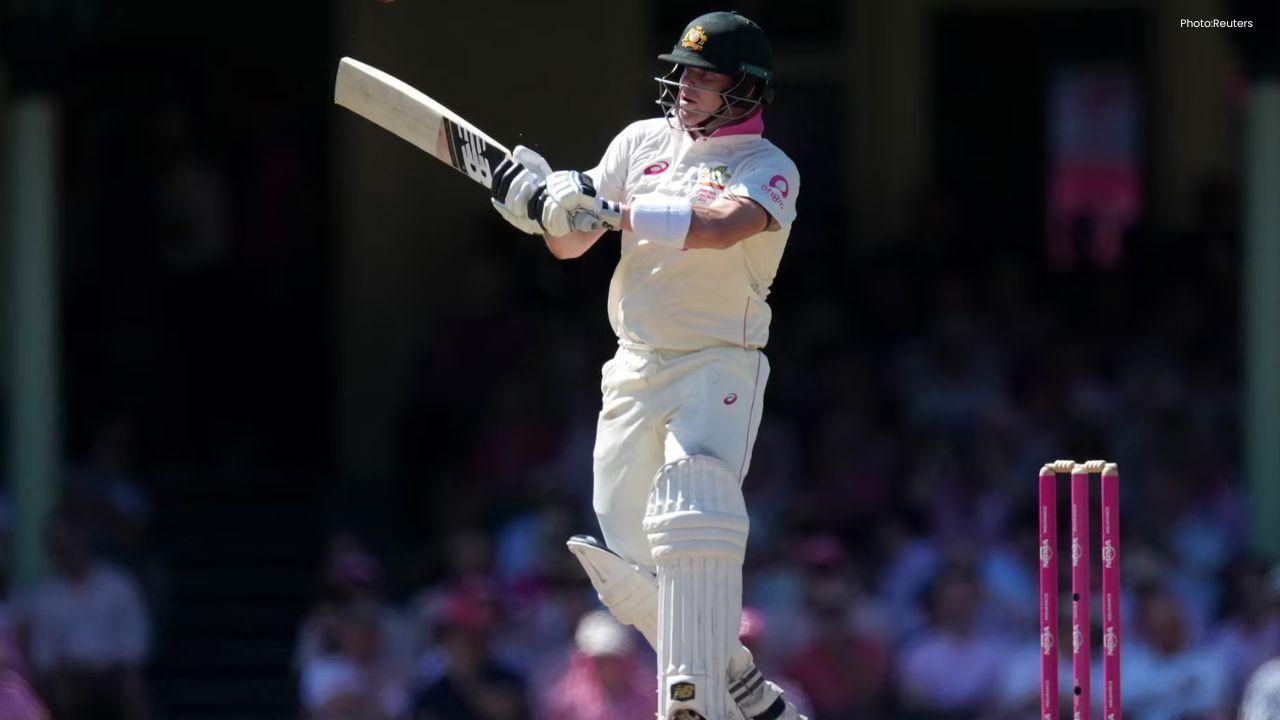
Australia 50/3 After Bangladesh Bowled Out for 64 in Second Test
Australia reached 50/3 after Bangladesh were bowled out for 64 in the second Test, with Mitchell Sta

Jordan Burroughs Returns to Wrestling with 2028 Olympic Dream
Jordan Burroughs returns to wrestling with Real American Freestyle as the Olympic champion eyes a po
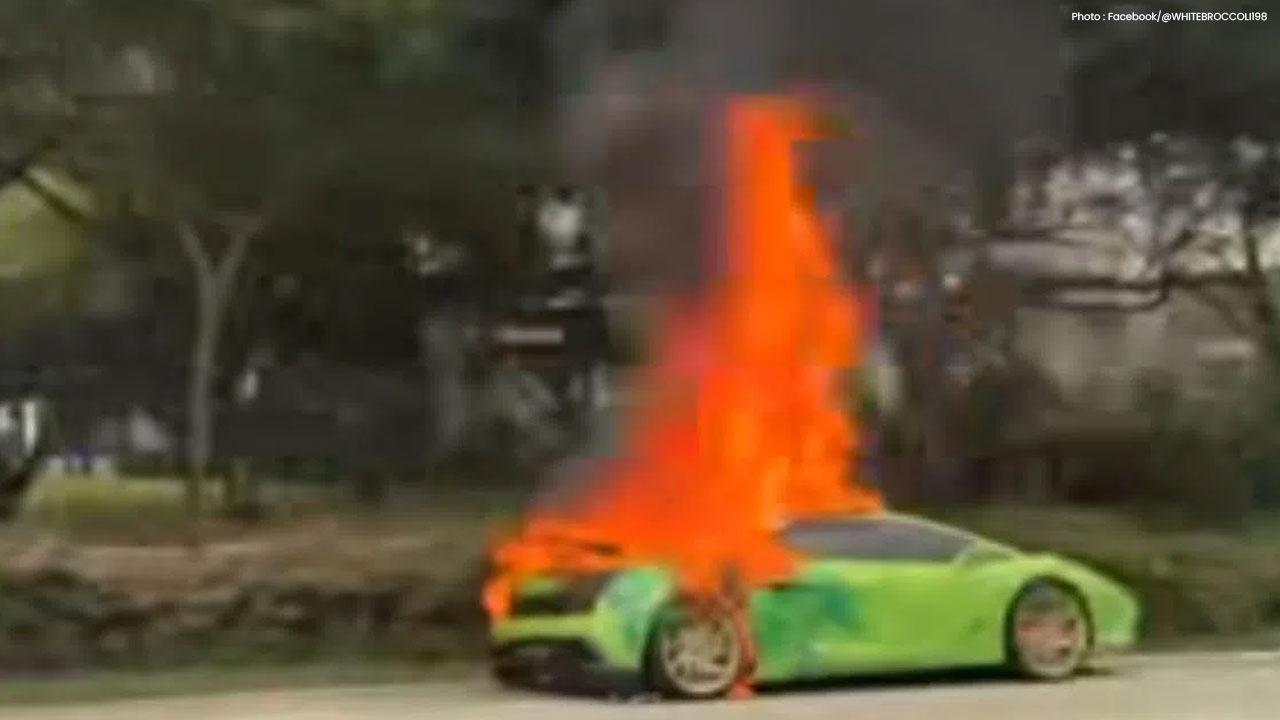
Lamborghini Catches Fire on Singapore's ECP, Causing Heavy Traffic
A Lamborghini caught fire on Singapore's ECP, causing heavy traffic and bus delays. No injuries were