
You have not yet added any article to your bookmarks!
Join 10k+ people to get notified about new posts, news and tips.
Do not worry we don't spam!
Post by : Shweta
The United Conservative Party (UCP) government in Alberta is encountering significant controversy as its attempts to address a potential secession question for an upcoming fall referendum hit procedural snags. This situation has ignited intense political discourse within the province, with lawmakers and Indigenous representatives disputing the handling of referendum queries.
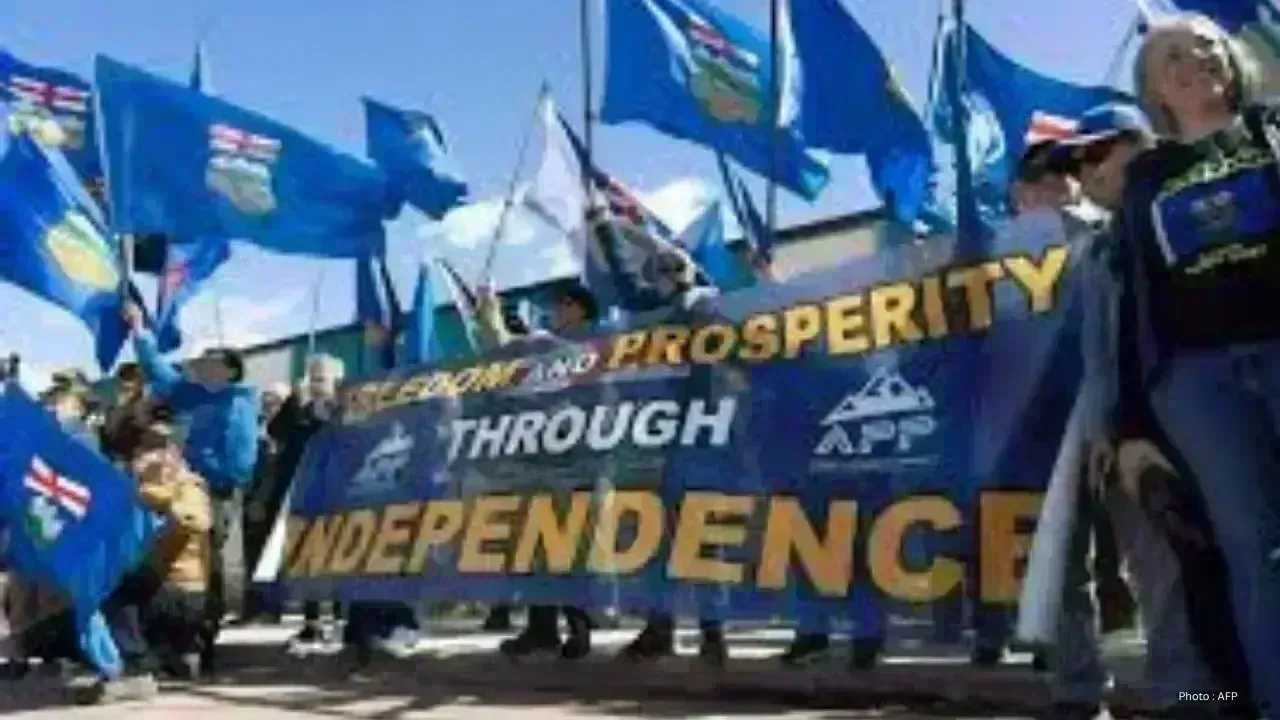
The turbulence began following a citizen-backed petition advocating for Alberta's independence from Canada, which faced unforeseen legal challenges. This petition, championed by separatist factions such as the Alberta Prosperity Project, sought to pose the question to voters. However, an Alberta court found that Indigenous communities had not been adequately consulted, prompting a halt in its progression—a decision the UCP plans to appeal.
Simultaneously, a split has emerged among Alberta’s lawmakers regarding the vetting and approval of referendum questions. A recent legislative committee convened to discuss these procedures turned contentious as opposition groups accused the UCP of attempting to rush decisions behind closed doors. Alberta’s NDP leader, Naheed Nenshi, suggested that despite judicial setbacks, the government might still pursue a broader referendum question.
While the UCP has yet to formally announce a direct secession question for the fall referendum ballot, insider reports hint that some members are keen on keeping that option viable. Proponents of separation assert that dissatisfaction with federal energy and taxation policies has sparked calls for greater provincial autonomy over financial and resource governance.
Business and economic analysts are voicing concerns over the increasing political instability. Experts warn that ongoing discussions about separation may undermine investor confidence, complicating major energy and infrastructure projects in Alberta, which relies heavily on oil and gas exports.
Indigenous advocates strongly oppose any advancement without adequate consultation, emphasizing that existing treaties with Canada are still legally valid. Recent court rulings underline the necessity of Indigenous input before significant constitutional referendum initiatives can proceed.
Despite the rising political tensions, public opinion polls generally indicate that a majority of Albertans prefer to remain within Canada, even as discontent over federal relations and energy strategies grows among conservative voters. Political analysts anticipate that the debate surrounding the referendum will remain a pivotal topic in Alberta’s political landscape until 2026.










PM Modi Pays Tribute to Mahatma Gandhi, Urges People to Support Khadi
PM Modi pays tribute to Mahatma Gandhi on Gandhi Jayanti and urges citizens to support Khadi and the

Amazon Seeks to Offload $8 Billion in Nvidia Chips to Investors
Amazon plans to move $8 billion in Nvidia chips to investors, using a new financing model to strengt

Samsung Raises Galaxy S26 Prices as Memory Chip Costs Rise
Samsung raises Galaxy S26 prices in South Korea as rising memory chip costs put pressure on smartpho

Lewis Hamilton Calls Singapore Grand Prix One of F1's Toughest Races
Lewis Hamilton discusses the demanding Singapore Grand Prix and brings Plus44 and Almave to Singapor

Denmark's Pandora Opens World's Largest Jewellery Factory in Vietnam
Pandora opens its largest jewellery factory in Vietnam, expanding global production, strengthening s

Gautam Gambhir Questions Batting-Friendly Pitches After India's Record ODI Chase
Gautam Gambhir questions batting-friendly ODI pitches after India’s record chase, calling for a bett

