
You have not yet added any article to your bookmarks!
Join 10k+ people to get notified about new posts, news and tips.
Do not worry we don't spam!
Post by : Shweta
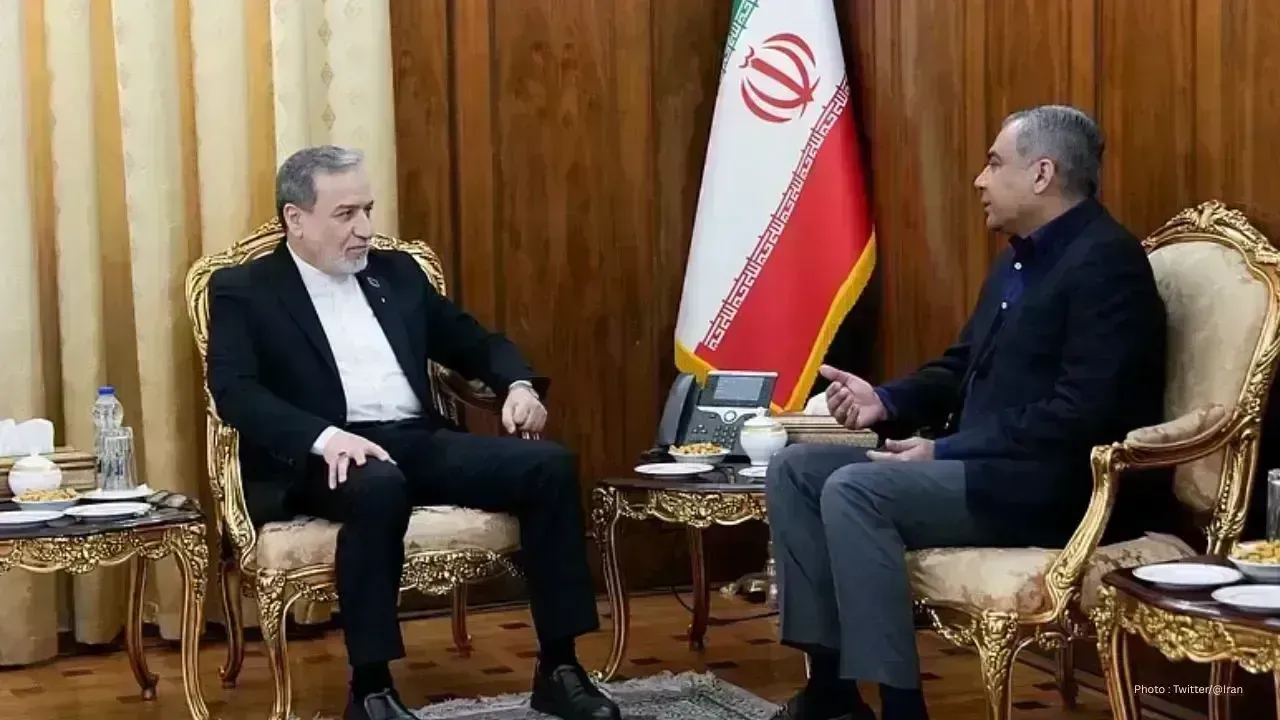
During an official two-day visit to Tehran, Pakistan's Interior Minister Mohsin Naqvi engaged in significant discussions with Iranian Foreign Minister Abbas Araghchi, underlining Pakistan's commitment to rejuvenate stalled dialogue between the United States and Iran. The meeting occurs amidst escalating tensions in the Middle East, alongside heightened global scrutiny regarding Iran’s nuclear ambitions and the potential for military conflict.
As outlined by various media outlets in both nations, Naqvi's trip was primarily aimed at fostering regional stability and enhancing communication between Washington and Tehran. Key topics included regional developments, efforts to restore peace talks, and the overarching security climate in West Asia. Iranian officials acknowledged Pakistan's crucial role in facilitating dialogue between the two nations.
Araghchi highlighted the adverse impact of the “contradictory and excessive” demands from the US as a primary barrier to effective diplomacy. Iranian authorities continue to criticize Washington for exerting pressure while seeking extensive concessions concerning Iran’s nuclear and defense strategies. Trust remains a pivotal concern for Tehran in future negotiations with the US.
In recent times, Pakistan has established itself as a key intermediary in the indirect communications between the US and Iran, especially as direct negotiations have faltered amid escalating military tensions and discussions on ceasefires. Naqvi has been instrumental in these diplomatic exchanges, having conferred with officials from both sides in the weeks leading up to this visit.
These discussions arise at a critical juncture for the region, as concerns mount over Iran's nuclear program and its control over the Strait of Hormuz. Additionally, ongoing conflicts involving Israel and US allies heighten fears of broader regional instability. Iran has recently tightened security measures around the Strait of Hormuz, a vital oil shipping corridor, stirring unease within global energy markets.
Pakistani authorities assert that Islamabad backs diplomatic efforts aimed at ensuring regional stability and deterring further turmoil. Analysts suggest that Pakistan’s mediation reflects its strategy to enhance diplomatic ties while balancing relations with Iran, Gulf nations, China, and the United States. Moreover, Islamabad hopes that mitigating tensions between Tehran and Washington could pave the way for enhanced economic and security stability across the region.
While the Tehran meeting has not yielded any immediate breakthroughs, it indicates ongoing diplomatic channels between Iran and the US are being maintained through regional intermediaries. Experts believe that tangible progress hinges on the readiness of both parties to make compromises on critical issues, including nuclear enrichment, sanctions, and regional military activities. As it stands, Pakistan continues to position itself as a mediator, striving to avert another significant conflict in the Middle East.










PM Modi Pays Tribute to Mahatma Gandhi, Urges People to Support Khadi
PM Modi pays tribute to Mahatma Gandhi on Gandhi Jayanti and urges citizens to support Khadi and the

Amazon Seeks to Offload $8 Billion in Nvidia Chips to Investors
Amazon plans to move $8 billion in Nvidia chips to investors, using a new financing model to strengt

Samsung Raises Galaxy S26 Prices as Memory Chip Costs Rise
Samsung raises Galaxy S26 prices in South Korea as rising memory chip costs put pressure on smartpho

Lewis Hamilton Calls Singapore Grand Prix One of F1's Toughest Races
Lewis Hamilton discusses the demanding Singapore Grand Prix and brings Plus44 and Almave to Singapor

Denmark's Pandora Opens World's Largest Jewellery Factory in Vietnam
Pandora opens its largest jewellery factory in Vietnam, expanding global production, strengthening s

Gautam Gambhir Questions Batting-Friendly Pitches After India's Record ODI Chase
Gautam Gambhir questions batting-friendly ODI pitches after India’s record chase, calling for a bett

