
You have not yet added any article to your bookmarks!
Join 10k+ people to get notified about new posts, news and tips.
Do not worry we don't spam!
Post by : Shweta
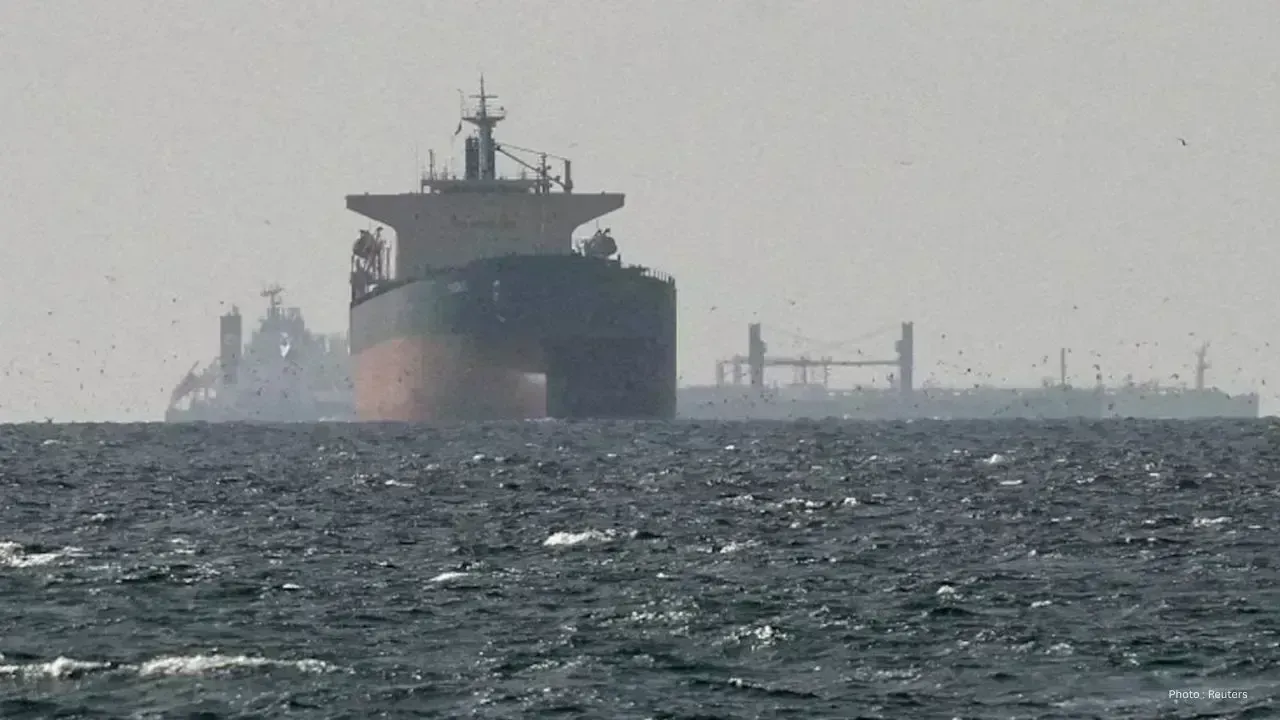
Iran is progressively asserting greater control over the Strait of Hormuz, a crucial artery for global oil transport, raising alarms for energy markets and government officials worldwide. This vital waterway links the Persian Gulf with the Gulf of Oman and the Arabian Sea, facilitating nearly 20% of the planet's oil shipments. Any disruption here could significantly impact fuel prices, shipping fees, and international commerce.
Recent analyses indicate that Iran has rolled out a stricter protocol for vessels navigating through the strait. New regulations mandate that commercial ships acquire authorization from Iranian officials prior to entering specific regions. This approval process includes detailed submissions of cargo, crew lists, and planned routes. The Islamic Revolutionary Guard Corps (IRGC) is reportedly playing a pivotal role in overseeing maritime activities in the area.
Additionally, Iran has established a new body known as the “Persian Gulf Strait Authority” tasked with regulating shipping movements and granting transit permissions. Experts interpret this shift as an effort to formalize Iran’s authority over the strait, thereby bolstering its leverage amid escalating tensions with the U.S. and its allies. Concerns are mounting among shipping firms and governments that Iran is transitioning the strait into a regulated corridor rather than maintaining it as an open international passage.
Reports indicate that vessels associated with nations maintaining strong ties to Iran, such as China, Russia, India, and Pakistan, are experiencing relative ease of access through these waters. In contrast, other ships might face delays and inspections or incur additional charges to gain passage. Some operators have even reported the payment of high unofficial “fees” for safe navigation. However, Iran insists these measures are merely security protocols aimed at safeguarding regional waters amidst rising military tensions.
This tightening grip comes in the wake of escalating confrontations throughout the Middle East, particularly involving Iran, Israel, and the United States. Tehran has consistently warned that foreign military operations near its shores pose a threat to regional stability, amplifying naval patrol efforts and inspection activities around the strait. Analysts suggest that Iran is leveraging its geographical positioning as a means of exerting pressure on Western nations while securing its interests in the Gulf.
The repercussions for global trade and energy markets are already noticeable. Oil transportation through the Strait of Hormuz has considerably decreased in recent months, leading to heightened shipping insurance premiums and increased transit costs. Energy experts caution that continued tensions could further spike fuel prices on a global scale. Some Gulf states, including the UAE, are striving to lessen reliance on the strait by enhancing alternative oil export routes beyond the Gulf.
Security analysts also underscore the challenges faced by global powers in ensuring safe passage through this critical waterway. Even with military escorts provided by the U.S. and allied forces, numerous commercial shipping companies remain apprehensive about traversing the area due to risks associated with drones, naval mines, missile strikes, and inspections conducted by Iranian authorities.
Historically regarded as one of the most strategically sensitive chokepoints worldwide, Iran's increasing grip on the Strait of Hormuz is now perceived as a dual strategy of military intimidation and economic leverage. As diplomatic discussions between Iran and Western nations persist, the outlook for global oil transportation through the strait remains precarious, leaving international markets and governments in a state of vigilance.










PM Modi Pays Tribute to Mahatma Gandhi, Urges People to Support Khadi
PM Modi pays tribute to Mahatma Gandhi on Gandhi Jayanti and urges citizens to support Khadi and the

Amazon Seeks to Offload $8 Billion in Nvidia Chips to Investors
Amazon plans to move $8 billion in Nvidia chips to investors, using a new financing model to strengt

Samsung Raises Galaxy S26 Prices as Memory Chip Costs Rise
Samsung raises Galaxy S26 prices in South Korea as rising memory chip costs put pressure on smartpho

Lewis Hamilton Calls Singapore Grand Prix One of F1's Toughest Races
Lewis Hamilton discusses the demanding Singapore Grand Prix and brings Plus44 and Almave to Singapor

Denmark's Pandora Opens World's Largest Jewellery Factory in Vietnam
Pandora opens its largest jewellery factory in Vietnam, expanding global production, strengthening s

Gautam Gambhir Questions Batting-Friendly Pitches After India's Record ODI Chase
Gautam Gambhir questions batting-friendly ODI pitches after India’s record chase, calling for a bett

