
You have not yet added any article to your bookmarks!
Join 10k+ people to get notified about new posts, news and tips.
Do not worry we don't spam!
Post by : Shweta
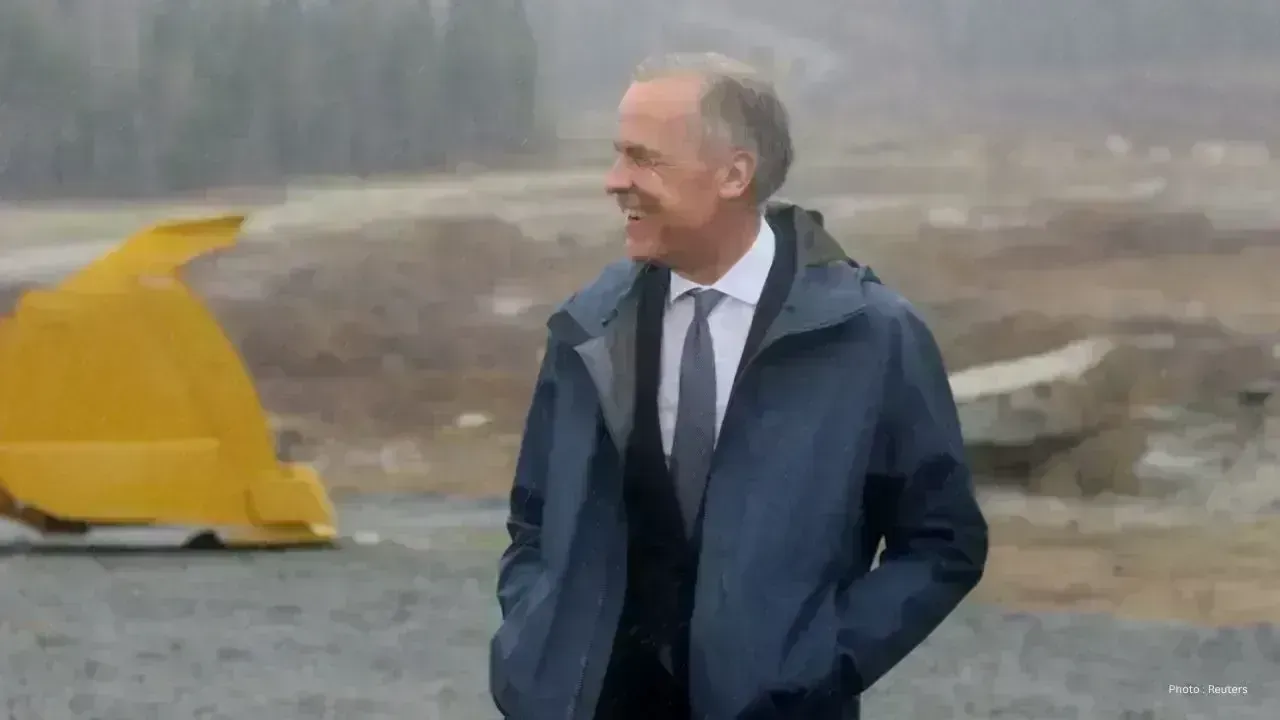
Canadian Prime Minister Mark Carney finds himself under increasing scrutiny from environmental activists and groups, who argue that his recent policy decisions diverge significantly from the robust climate stewardship many anticipated. Carney, known for his previous role in finance advocating green policies, has garnered respect as a leading proponent of environmental action. Yet, several of his latest energy and economic strategies have sparked concerns regarding the extent of his government's commitment to climate initiatives.
Before stepping into politics, Carney was a pivotal figure in global climate talks, formerly serving as the Governor of the Bank of England and pioneering reforms to mitigate climate risks in finance. His efforts to foster investments in renewable energy positioned him as a natural leader for a bold climate agenda in Canada.
Nevertheless, opponents argue that his recent governing style has favored a compromise approach that safeguards the interests of Canada’s influential oil and gas sector, crucial for the national economy, especially in regions like Alberta. His administration's continued backing of certain energy projects, alongside the hesitance to enact stricter climate measures, has drawn mixed reactions.
Among the primary criticisms are decisions surrounding pipeline expansions and fossil fuel extraction. Detractors assert that approving significant oil and gas initiatives undermines Canada’s long-term climate objectives. They contend that Carney's administration seems preoccupied with economic stability and energy security amid rising global fuel prices.
Proponents of Carney argue that the situation demands a nuanced approach, balancing environmental ambitions with economic realities such as job preservation and energy needs. They cite government investments in clean technologies, electric vehicles, and renewable projects as evidence of a commitment to net-zero emission targets without sacrificing economic growth.
The discourse surrounding Carney's climate leadership has intensified, particularly as global pressures mount to expedite emissions reductions. Organizations are urging Canada and other nations to intensify their climate actions, especially in light of alarming trends linking climbing global temperatures to severe weather phenomena.
Political analysts note that Carney is currently navigating a delicate tightrope, balancing climate aspirations with economic demands. Although many still perceive him as a figure of strong environmental values, critics suggest his policies might reflect the broader challenge faced by climate-centric administrations in transitioning away from fossil fuels promptly.
The ongoing conversation about Carney’s leadership encapsulates a broader global dilemma on how states should reconcile climate policy, energy security, and economic continuity. As Canada advances its climate strategy, all eyes remain focused on whether Carney will push for stronger actions or continue on a more moderate course.










PM Modi Pays Tribute to Mahatma Gandhi, Urges People to Support Khadi
PM Modi pays tribute to Mahatma Gandhi on Gandhi Jayanti and urges citizens to support Khadi and the

Amazon Seeks to Offload $8 Billion in Nvidia Chips to Investors
Amazon plans to move $8 billion in Nvidia chips to investors, using a new financing model to strengt

Samsung Raises Galaxy S26 Prices as Memory Chip Costs Rise
Samsung raises Galaxy S26 prices in South Korea as rising memory chip costs put pressure on smartpho

Lewis Hamilton Calls Singapore Grand Prix One of F1's Toughest Races
Lewis Hamilton discusses the demanding Singapore Grand Prix and brings Plus44 and Almave to Singapor

Denmark's Pandora Opens World's Largest Jewellery Factory in Vietnam
Pandora opens its largest jewellery factory in Vietnam, expanding global production, strengthening s

Gautam Gambhir Questions Batting-Friendly Pitches After India's Record ODI Chase
Gautam Gambhir questions batting-friendly ODI pitches after India’s record chase, calling for a bett

