
You have not yet added any article to your bookmarks!
Join 10k+ people to get notified about new posts, news and tips.
Do not worry we don't spam!
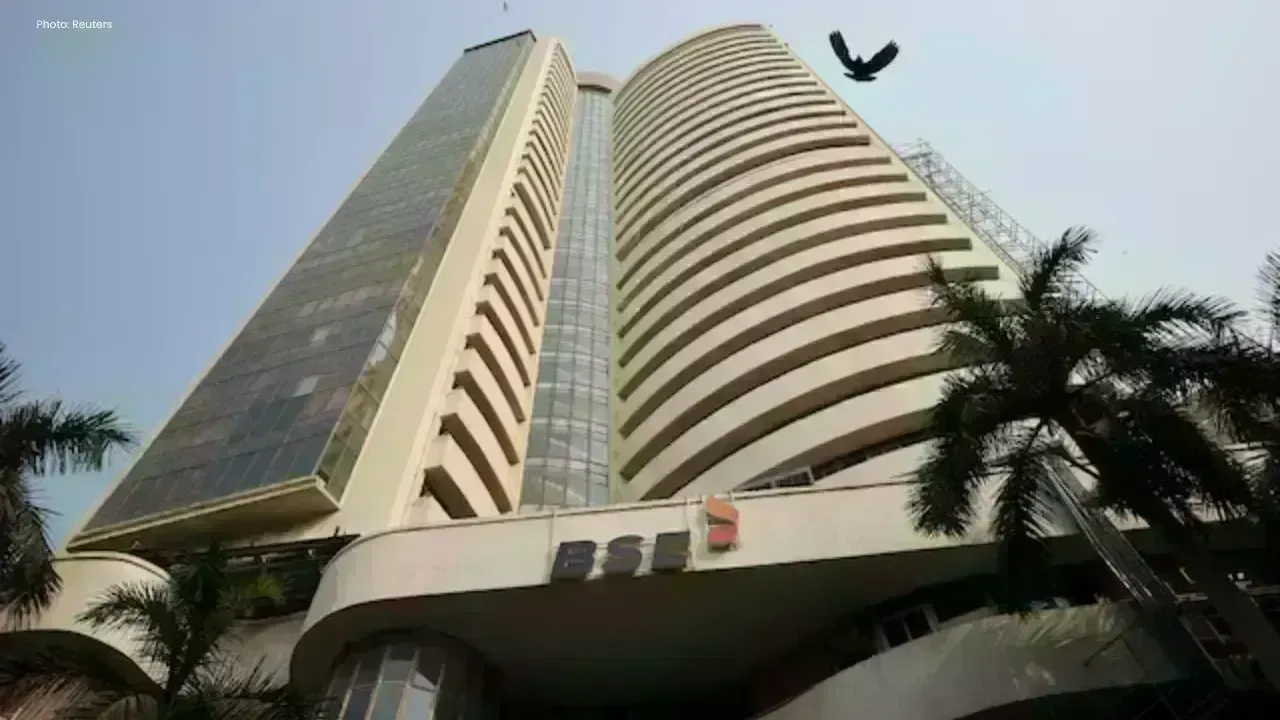
Post by : Shakul
Foreign investors sharply increased selling in Asian equity markets during May as concerns over rising global inflation, higher borrowing costs, and geopolitical tensions continued to pressure investor sentiment across the region.
According to Reuters data, foreign investors have sold nearly $24.75 billion worth of Asian equities so far this month. The last week alone recorded a massive $17.27 billion in outflows, making it one of the biggest weekly foreign sell-offs seen in regional markets in recent years.
The selling pressure intensified after the 30-year US Treasury yield climbed to its highest level since 2007. Rising bond yields generally make equities less attractive because investors can earn safer returns from government bonds, especially during uncertain economic conditions.
Analysts believe the ongoing conflict-driven inflation concerns and tighter financial conditions are forcing investors to reduce exposure in growth-focused Asian markets. Technology-heavy exchanges in South Korea and Taiwan were among the worst affected during the recent market correction.
South Korean stocks witnessed record foreign outflows of around $13.14 billion in just one week. Taiwan also experienced heavy selling worth approximately $2.88 billion, while Indian equities recorded foreign withdrawals of nearly $1.35 billion during the same period.
Market experts stated that Asian equity markets remain highly sensitive to movements in US bond yields. Investors are increasingly cautious that prolonged high interest rates could hurt company earnings, reduce corporate margins, and slow overall economic growth in export-driven economies across Asia.
Despite the broader market weakness, some countries continued to attract foreign investments. Indonesian stocks received inflows of nearly $511 million, while Thailand recorded around $215 million in foreign buying, showing selective investor confidence in certain Southeast Asian markets.
Financial analysts warned that volatility may continue in the coming weeks as investors closely monitor inflation trends, central bank decisions, and developments in global geopolitical tensions that could further impact global capital flows and market stability.
#Economy #Stock market Beginner #Business & economy #South Korea #Asia #Markets #Taiwan










PM Modi Pays Tribute to Mahatma Gandhi, Urges People to Support Khadi
PM Modi pays tribute to Mahatma Gandhi on Gandhi Jayanti and urges citizens to support Khadi and the

Amazon Seeks to Offload $8 Billion in Nvidia Chips to Investors
Amazon plans to move $8 billion in Nvidia chips to investors, using a new financing model to strengt

Samsung Raises Galaxy S26 Prices as Memory Chip Costs Rise
Samsung raises Galaxy S26 prices in South Korea as rising memory chip costs put pressure on smartpho

Lewis Hamilton Calls Singapore Grand Prix One of F1's Toughest Races
Lewis Hamilton discusses the demanding Singapore Grand Prix and brings Plus44 and Almave to Singapor

Denmark's Pandora Opens World's Largest Jewellery Factory in Vietnam
Pandora opens its largest jewellery factory in Vietnam, expanding global production, strengthening s

Gautam Gambhir Questions Batting-Friendly Pitches After India's Record ODI Chase
Gautam Gambhir questions batting-friendly ODI pitches after India’s record chase, calling for a bett

