
You have not yet added any article to your bookmarks!
Join 10k+ people to get notified about new posts, news and tips.
Do not worry we don't spam!
Post by : Mikael Ariff
In today's world, children spend significantly more time indoors engaging in activities such as studying, playing, and exploring new hobbies. Thus, their room serves as more than just a place to sleep; it's a vital environment for learning, creativity, and growth. A thoughtfully designed room fosters focus, relaxation, and self-expression. It's not just about vibrant paint or charming decorations; it's about creating a sanctuary where a child feels safe, calm, and inspired.
If you're considering revamping your child's space, this guide offers insights that will help you make informed choices conducive to both creativity and concentration.
Kids absorb information better in an environment that stimulates curiosity. A tidy, soothing room enhances clarity of thought and accelerates learning.
Disorganization can lead to distractions. A clean, structured space keeps kids engaged, whether they're reading, studying, or engaging in creative projects.
Soft hues like light blue, pastel green, and beige foster tranquility, setting a conducive backdrop for study and reflection.
Lively colors such as aqua, sunshine yellow, and gentle orange infuse energy into the room and ignite creativity during playtime.
Mixing toys with books can lead to distractions. Designated zones help children distinguish between focus time and playtime.
Position a study desk by a window for natural light.
Store toys on the opposite side of the space.
Use rugs to differentiate study from play areas.
Label zones with signs like “Play Area” for clarity.
Messy rooms can disrupt focus, so effective storage is essential. Consider:
Soft bins for storage
Accessible low shelves
Under-bed storage solutions
Wall hooks for hanging items
These storage options enable children to keep their spaces organized with minimal reminders.
When kids know where things belong, they learn to take responsibility and develop organizational skills early on.
Furniture tailored to a child's size promotes independence. Selecting low tables, small chairs, and lightweight shelves mitigates injury risks.
Opt for rounded furniture devoid of sharp edges. Non-toxic materials are crucial, especially for younger children interacting with surfaces frequently.
A designated area for creativity allows children to express themselves freely. Include:
A small easel
Art supplies like crayons and sketchbooks
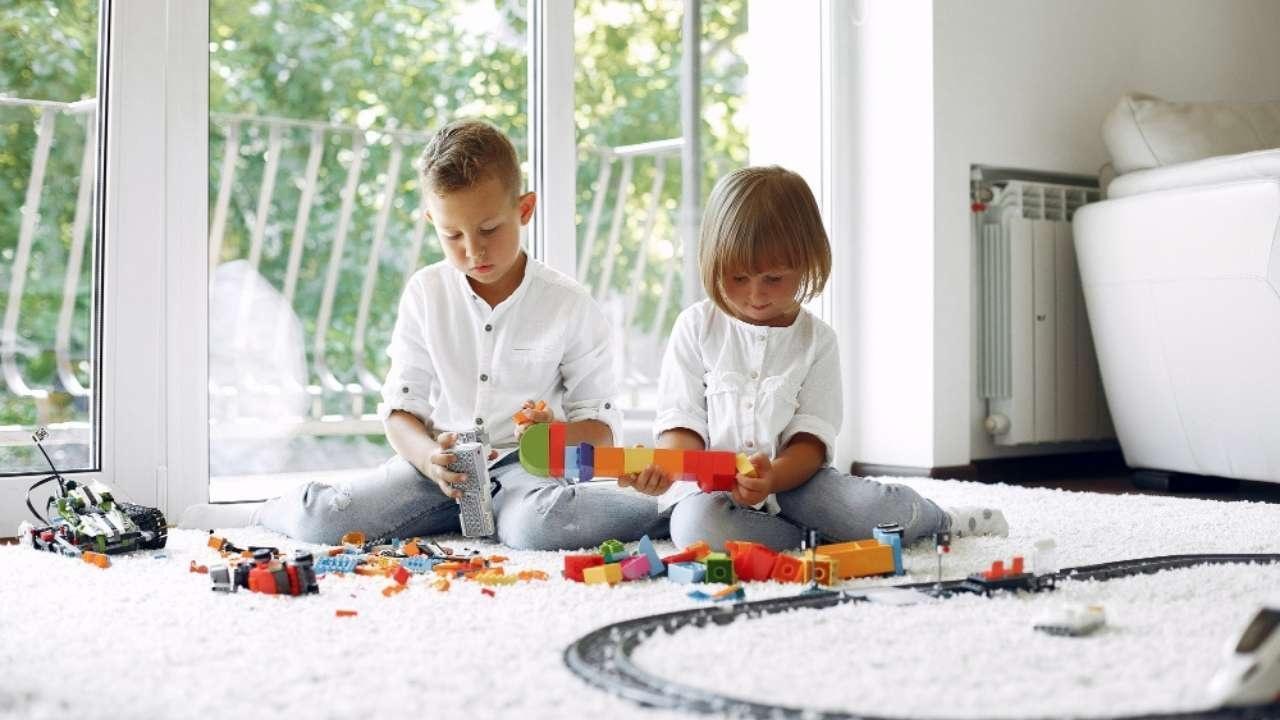
Construction toys
Books for inspiration
Craft materials
Even a small nook equipped with a stool and some art supplies can cultivate an immersive creative zone.
Sunshine invigorates energy and positivity. Position the study area close to a window to maximize natural light intake.
Warm LED options are soothing for the eyes, while an adjustable desk lamp facilitates comfortable reading and writing.
Screens can quickly distract children. Keeping tablets, TVs, and gaming consoles out of study areas promotes better focus.
While technology can enhance learning, guide your child to utilize it primarily for educational purposes with limited screen time.
Incorporating small indoor plants invigorates the space. Plants not only enhance air quality but also contribute to a calming ambiance.
The presence of plants can significantly alleviate stress, boosting children's clarity of thought and creating a more inviting atmosphere.
Maintain a tidy environment
Incorporate comfortable rugs
Display family photos to personalize the space
Rotate toys regularly to keep engagement alive
Choose easy-to-clean fabrics and surfaces
Q1: Which colors are optimal for study spaces?
Soft blues or greens nurture calmness and focus.
Q2: How can I limit distractions?
Keep play items and study materials separate for clearer boundaries.
Q3: What safety measures should be considered for furniture?
Opt for lower furniture with rounded edges and safe materials.
Q4: Does a creative corner hold value for kids?
Definitely; it stimulates imaginative expression and idea development.
Q5: Is lighting crucial for a child's room?
Yes! Proper lighting mitigates eye strain and enhances focus.
Creating a kid-friendly room doesn't have to be a daunting task laden with high expenses. By making prudent design choices—selecting suitable colors, organizing the area into zones, ensuring safe furniture, and optimizing lighting—you can establish an environment that promotes focus and creativity. Such a well-arranged space makes learning enjoyable, playtime thrilling, and sparks the imagination daily.
This article serves as a general guide. Every child has unique needs and preferences. Parents should customize their room designs according to their child’s age, safety considerations, and personal likes. If uncertain about safety aspects, seek professional advice. The author is not liable for any outcomes resulting from implementing these suggestions.










Nvidia Pledges $250 Million for UK AI Safety Research
Nvidia will provide $250 million in computing resources over five years to support AI safety researc

Jacob Bethell Returns as England Name Squads for Australia Tour
England name ODI and T20 squads for the Australia tour, with Jacob Bethell returning from injury and

Beauden Barrett Opens Up About Mental Struggles During All Blacks Exile
Beauden Barrett discusses his confidence struggles after missing six tests, his return against Austr

IMF Says AI Investment Supports Global Growth Despite Energy Shock
IMF says AI investment is supporting global growth near 3%, with Asian economies benefiting from ris

Will O'Rourke Ruled Out of New Zealand's India Series
New Zealand fast bowler Will O'Rourke will miss the India series with hamstring and calf injuries as

AI Companies Expected to Drive Most US Earnings Growth in Q3
AI companies are expected to drive US third-quarter earnings growth as investors assess tech profits

