You have not yet added any article to your bookmarks!
Join 10k+ people to get notified about new posts, news and tips.
Do not worry we don't spam!
Post by : Rameen Ariff
European Union lawmakers and member states have reached a landmark agreement to ban all Russian gas imports by autumn 2027, a decisive move aimed at ending Europe’s longstanding reliance on Moscow for energy. The accord, finalized after prolonged negotiations between EU capitals and the European Parliament, represents a compromise, as lawmakers had initially pushed for a quicker ban. The decision comes in the wake of Russia’s invasion of Ukraine and its use of energy supplies as a geopolitical weapon, underlining the EU’s determination to strengthen energy security and independence.
European Commission President Ursula von der Leyen hailed the deal as “the dawn of a new era,” emphasizing that the EU is moving toward full energy independence from Russia. EU Energy Commissioner Dan Jorgensen echoed this sentiment, stating on social media that Europe has effectively “turned off the tap on Russian gas forever,” prioritizing energy security and independence while standing in solidarity with Ukraine.
The Kremlin has criticized the move, warning that phasing out Russian gas could accelerate economic challenges within the EU by forcing reliance on costlier alternatives. Under the new deal, long-term pipeline contracts will be banned from September 30, 2027, or no later than November 1, 2027, provided that member states maintain sufficient gas storage levels. For liquefied natural gas (LNG), long-term contracts will be prohibited from January 1, 2027, while short-term contracts are set to be phased out earlier, starting April 25, 2026, for LNG and June 17, 2026, for pipeline gas.
The EU’s agreement also includes provisions allowing companies to invoke “force majeure” to legally justify breaking existing contracts, aligning with the bloc’s goal to end dependency on Russian energy. In addition, the Commission is tasked with drafting a plan to phase out Russian oil imports to Hungary and Slovakia by the end of 2027, although both countries had previously secured exemptions due to their landlocked positions and unique energy needs.
Since the invasion of Ukraine nearly four years ago, the EU has worked to reduce reliance on Russian energy. The share of Russian gas in EU imports has fallen from 45% in 2021 to 19% in 2024. While pipeline deliveries have been cut, the EU has increasingly relied on LNG, shipped by sea and integrated into its network. Despite these measures, Russia remains a significant supplier, accounting for roughly 20% of EU LNG imports in 2024, equivalent to around 20 billion cubic meters out of an estimated 100 billion cubic meters.
The EU’s decision to ban Russian gas imports is a critical step in weakening Moscow’s access to lucrative energy revenues and reinforcing the bloc’s energy independence, signaling a strong geopolitical stance as Europe navigates ongoing tensions in the region.
This rewrite maintains a simple, traditional journalistic tone, is SEO-friendly, and emphasizes keywords such as EU energy independence, Russian gas ban, EU gas imports, and Russia energy dependency, which are likely to rank well in Google searches.






Hyundai raises profit target, expands hybrid lineup in the US
Hyundai hybrid cars get a major boost as the automaker raises its profit margin target and plans new

Josh Kerr and Jakob Ingebrigtsen Set for 1,500m Rivalry Rematch
Josh Kerr and Jakob Ingebrigtsen will renew their 1,500m rivalry at the Ultimate Championship in Bud

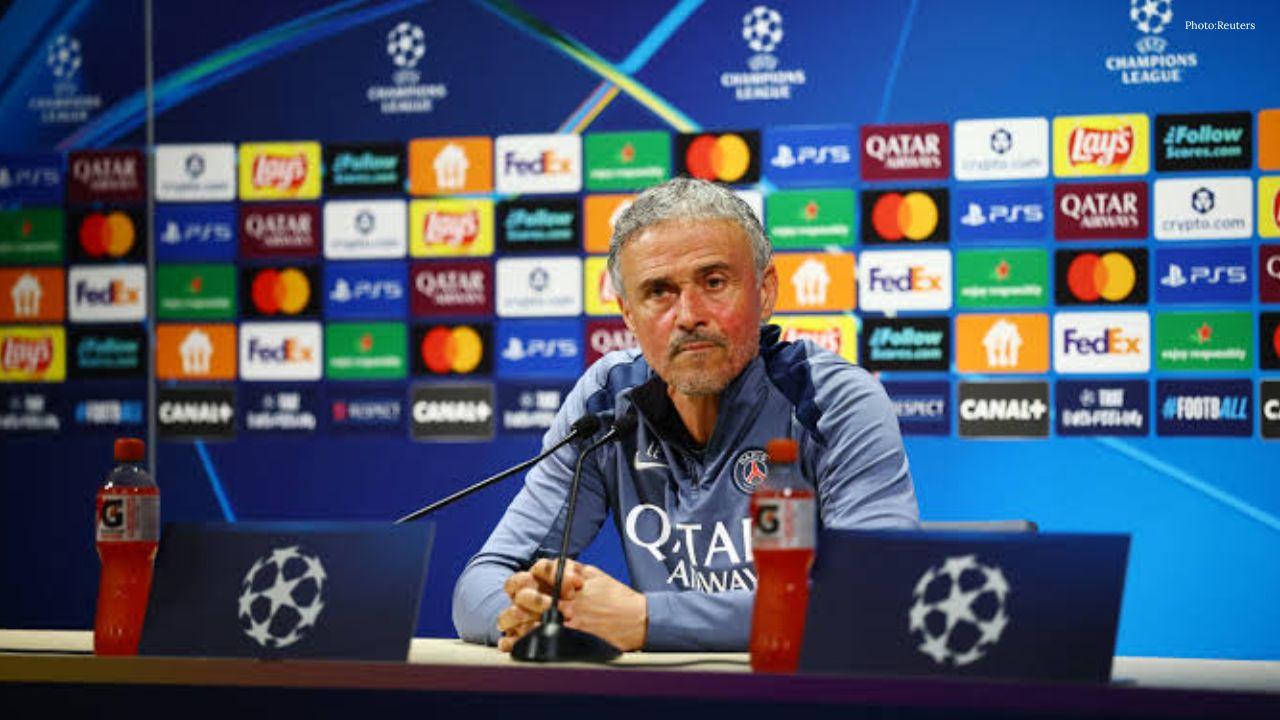
PSG Coach Luis Enrique Urges Players to Step Outside Comfort Zone
PSG coach Luis Enrique says players must leave their comfort zone and keep improving as the club tar

China’s Tiangong Sets New 400m Record at Robot Olympics
China’s Tiangong robot sets a new 400m record at the Robot Olympics, beating a South African robot i
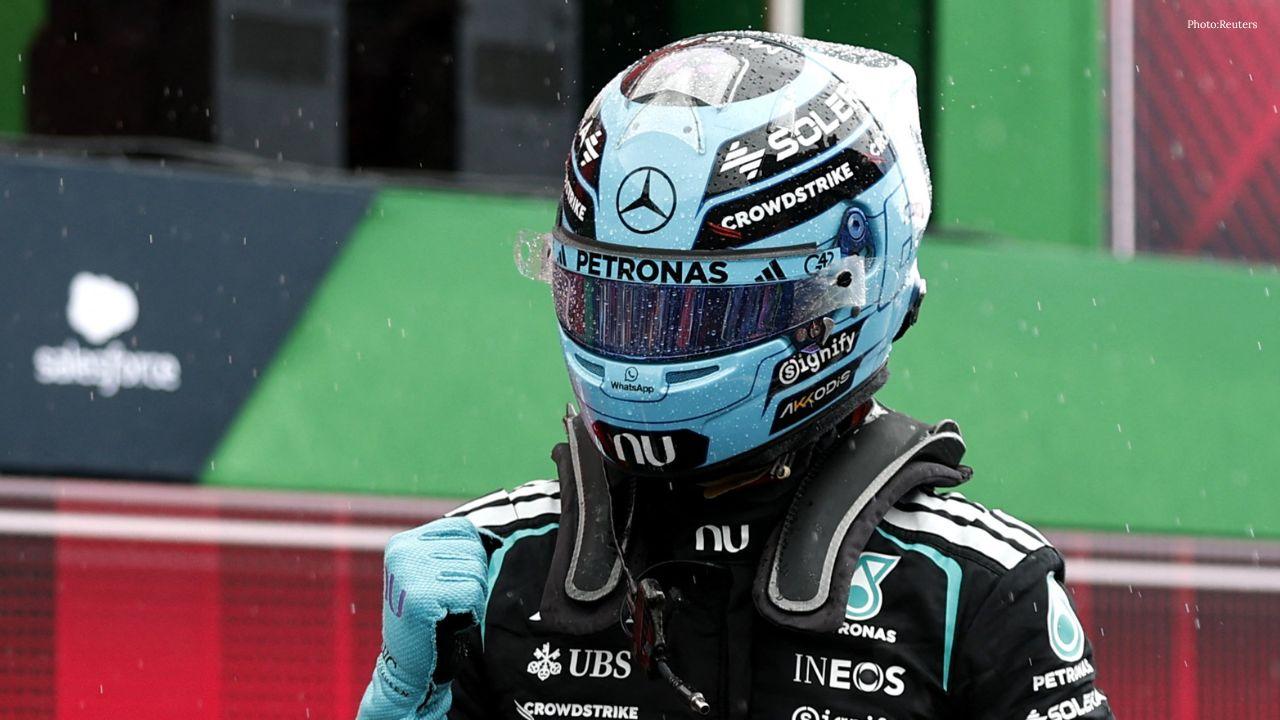
George Russell Wins Dutch GP Sprint, Boosts Mercedes Morale
George Russell wins the Dutch GP Sprint from pole as Mercedes teammate Kimi Antonelli extends his F1
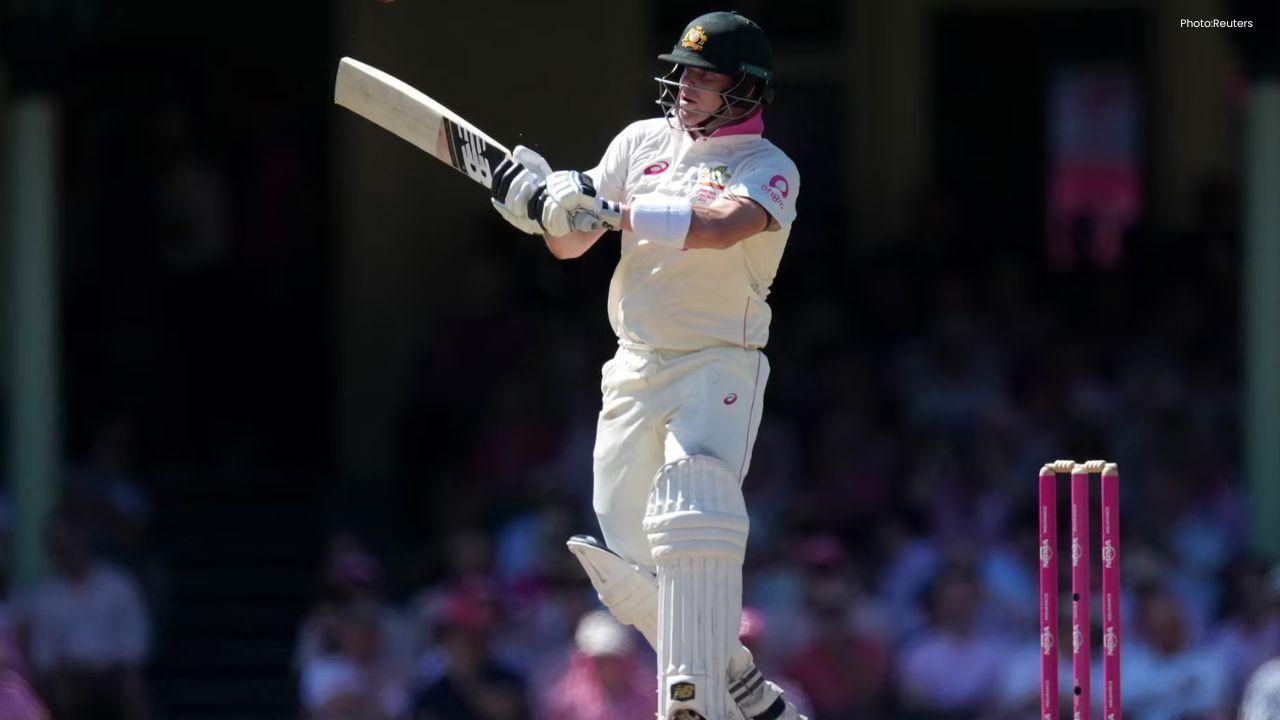
Australia 50/3 After Bangladesh Bowled Out for 64 in Second Test
Australia reached 50/3 after Bangladesh were bowled out for 64 in the second Test, with Mitchell Sta