You have not yet added any article to your bookmarks!
Join 10k+ people to get notified about new posts, news and tips.
Do not worry we don't spam!
Post by : Rohit Dhiman
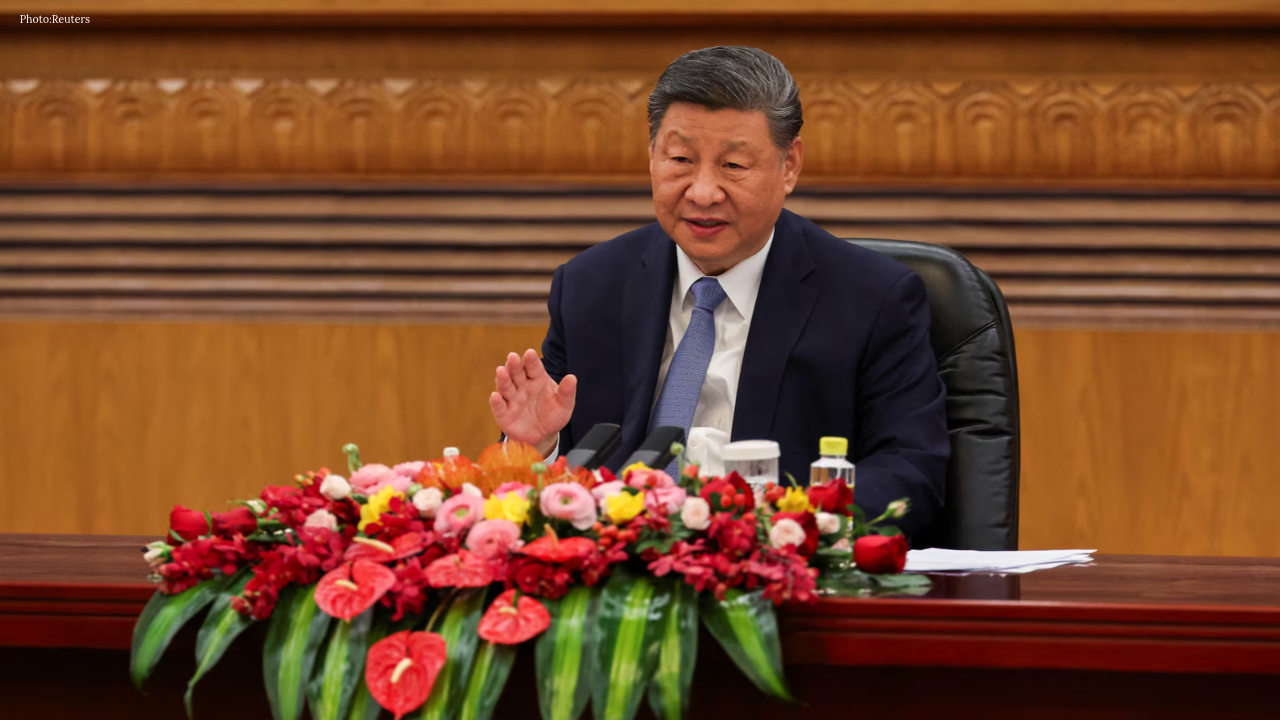
Chinese President Xi Jinping has called on Asia-Pacific economies to strengthen regional stability, expand international trade and remove barriers to investment, warning that rising protectionism and geopolitical tensions could create further challenges for global economic growth. Addressing business leaders and international representatives at the Asia-Pacific Economic Cooperation (APEC) CEO Summit in Shenzhen, China, on November 18, 2026, Xi highlighted the importance of maintaining open markets, improving economic connectivity and strengthening cooperation among regional economies. Alongside his appeal for greater regional cooperation, Xi announced China's intention to further open its domestic consumer market to international businesses. He said the country would continue improving market access, reducing certain trade restrictions and creating a more predictable business environment for foreign investors. The Chinese leader presented openness and cooperation as important factors in sustaining long-term economic growth, particularly at a time when international businesses are dealing with trade disputes, technological competition, supply chain uncertainty and changing geopolitical conditions.
Xi Jinping said the Asia-Pacific region had become one of the important engines of the global economy because of its long-standing commitment to stability, economic cooperation and international connectivity. According to the Chinese president, maintaining peace and security is necessary for creating the conditions in which businesses can invest, industries can expand and countries can achieve sustainable economic development. He warned that weakening global growth, increasing unilateralism and protectionist policies could undermine the economic progress achieved by countries across the region. Although Xi did not directly identify any particular country or international conflict, his comments came against the backdrop of continuing wars in Iran and Ukraine, as well as growing trade and technological tensions between China and the United States. He urged Asia-Pacific economies to protect the international system established after the Second World War and work collectively to address challenges affecting global development.
The Chinese president's remarks reflected Beijing's position that economic cooperation and regional security should remain closely connected. He called for countries to avoid policies that could disrupt international trade and weaken the relationships supporting regional economic growth. Xi Calls for Removing Trade and Investment Barriers A major part of Xi's address focused on maintaining an open international trading environment. He called on Asia-Pacific economies to support the rules-based multilateral trading system, with the World Trade Organization (WTO) continuing to play its central role. He argued that international trade should operate through established rules and cooperation rather than unilateral restrictions that create uncertainty for businesses and investors. Xi also called for steady progress towards establishing the Free Trade Area of the Asia-Pacific (FTAAP), a proposed arrangement intended to strengthen trade and economic integration among APEC's 21 member economies.
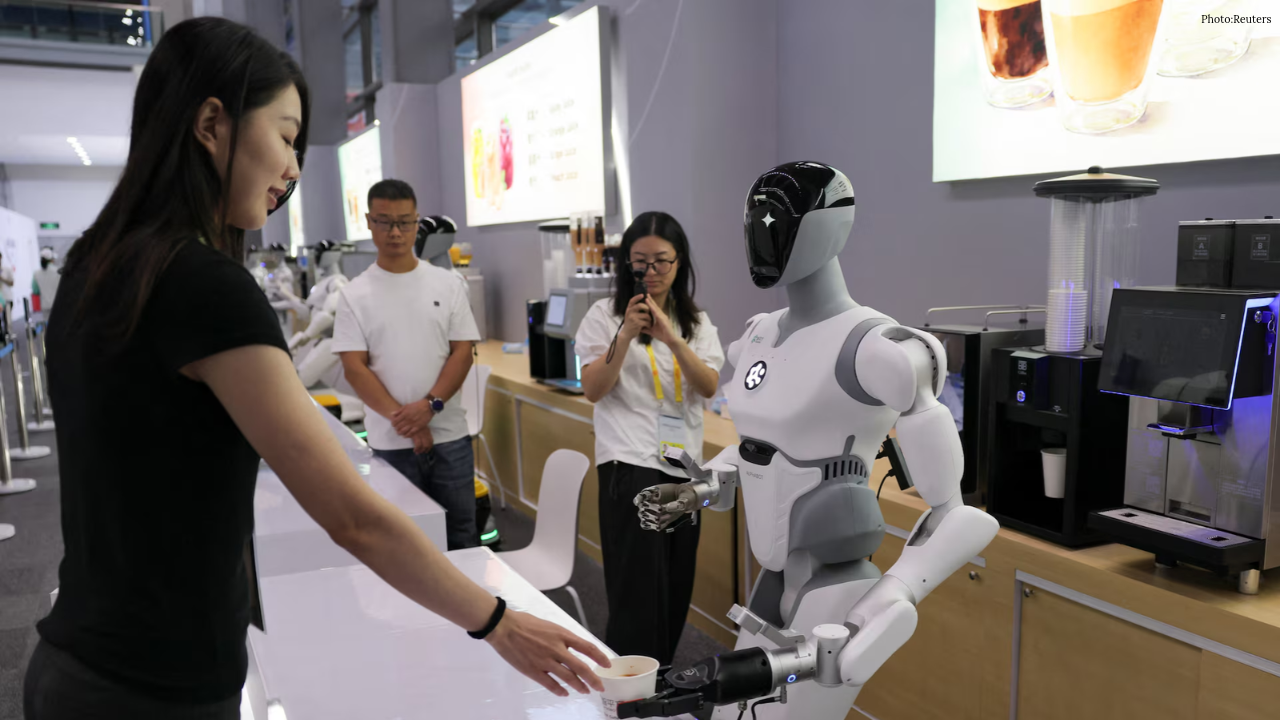
Xi Jinping also highlighted artificial intelligence and digital transformation as important areas for future cooperation across the Asia-Pacific. He pointed to the rapid development of large artificial intelligence models and explained that emerging technologies were increasingly becoming part of everyday business operations and household activities. The Chinese president said technological progress was changing the way industries operate, how companies deliver services and how consumers interact with businesses. He called for stronger cooperation in artificial intelligence, digital infrastructure and technological innovation to help regional economies benefit from these developments. The growing importance of AI has created new opportunities in manufacturing, transportation, financial services, healthcare, logistics and other industries. However, countries also face challenges involving access to technology, investment requirements, digital regulations and competition. Xi's comments suggested that cooperation should extend beyond traditional manufacturing and trade to include emerging sectors that could influence the next phase of regional economic development.
Turning to China's domestic economy, Xi outlined plans to make the country's consumer market more accessible to international businesses. He said China would introduce measures aimed at reducing tariffs, expanding market access and improving regulations and standards governing business activities. The announcement is significant because China remains one of the world's largest consumer markets and a major destination for international investment. Xi said foreign companies would receive opportunities to enter and operate in China's manufacturing sector. He also indicated that the country would gradually open additional parts of its services industry to international businesses. The proposed changes are intended to create a more stable and predictable environment for companies looking to invest, manufacture products and expand their operations in China. He further said Beijing would increase imports of high-quality goods and services, presenting the country's domestic market as an important source of demand for international suppliers. However, Xi did not provide specific details about which products would receive tariff reductions, the extent of the proposed cuts or the timeline for implementing these measures.
Xi described innovation and the transition towards greener development as important characteristics of China's economic strategy. He pointed to emerging technologies such as autonomous vehicles and drone-based delivery services to demonstrate how new technological applications are moving from development and testing into everyday commercial activities. China has been investing in advanced manufacturing, electric mobility, artificial intelligence, automation and other emerging industries as part of its broader effort to modernise its industrial base. Xi said the country would accelerate the development of a modern industrial system while bringing technological research and industrial innovation closer together. He also indicated that China would support the modernisation of traditional industries while preparing for the development of future industries. This approach is intended to help established manufacturing sectors improve productivity and adopt advanced technologies while allowing new industries to develop around emerging market demands.
The APEC CEO Summit 2026 in Shenzhen brought together representatives from major international companies, business associations and global organisations to discuss the future of economic cooperation. According to China's Xinhua news agency, participants included representatives from 115 companies listed in the Fortune Global 500, along with officials from international organisations and business groups. The gathering was held under the theme "To Prosper and Win the Future Together". Chilean President Jose Antonio Kast and Malaysian Prime Minister Anwar Ibrahim were among the international leaders attending the summit. The CEO Summit was organised alongside the two-day APEC Economic Leaders' Meeting, scheduled to bring together leaders and representatives from the organisation's 21 member economies. APEC includes major economies such as the United States, China, Russia, Japan, South Korea, Australia, Singapore and Indonesia, among others. The organisation plays an important role in promoting regional economic cooperation, trade facilitation, investment and connectivity across the Asia-Pacific.
Malaysian Prime Minister Anwar Ibrahim welcomed China's announcement regarding greater access to its domestic market. Speaking after Xi's address, Anwar said market access was particularly important for trading economies such as Malaysia, which depend on international commerce and investment partnerships. He highlighted that emerging economies need more than investment and increased trade. They also require meaningful opportunities to access international markets. His remarks reflected the interests of countries across Southeast Asia that are seeking stronger economic connections with major regional trading partners. Malaysia has maintained extensive economic and commercial ties with China, making access to the Chinese market an important issue for Malaysian businesses. Anwar's comments also highlighted the importance of ensuring that regional economic cooperation delivers practical benefits for developing and emerging economies.
Read Also: APEC Members Emphasise Safe and Responsible Use of Artificial Intelligence
Beyond economic discussions, the Shenzhen summit has attracted international attention because of the high-level diplomatic engagements taking place alongside the main APEC programme. Chinese President Xi Jinping was scheduled to chair the leaders' summit and host a welcome banquet for participating leaders on Wednesday evening. The main discussions on Thursday were expected to focus on trade, artificial intelligence, the digital economy, connectivity and wider regional challenges. Particular attention was also being directed towards planned diplomatic engagements involving Chinese President Xi Jinping, United States President Donald Trump and Russian President Vladimir Putin. A proposed trilateral meeting involving the three leaders was expected to draw attention because of the major international issues surrounding their countries, including trade relations, technological competition and the conflicts in Iran and Ukraine. Xi and Trump were also scheduled to hold bilateral discussions, marking their third meeting this year. These engagements were taking place at a time when relations between Washington and Beijing remained under pressure because of trade restrictions and competition over advanced technologies.
Xi Jinping's address at the APEC CEO Summit highlighted several priorities that could influence the region's economic direction: maintaining stability, supporting open trade, expanding investment and strengthening technological cooperation. His announcement about improving foreign companies' access to China's market also offered an indication of Beijing's intention to attract international businesses and encourage greater participation in its economy. However, the actual impact of these commitments will depend on their implementation, including the details of tariff adjustments, regulatory changes and market-access policies. For businesses across the Asia-Pacific, the discussions are particularly relevant because regional economies remain closely connected through manufacturing networks, technology partnerships, imports and exports. The summit has therefore provided an important platform for political leaders and business representatives to discuss how economic cooperation can continue despite geopolitical differences and changing international trade conditions. As the APEC Economic Leaders' Meeting continues in Shenzhen, the focus will remain on whether participating economies can translate discussions about openness and cooperation into practical measures that support investment, trade and long-term regional prosperity.



APEC Members Emphasise Safe and Responsible Use of Artificial Intelligence
APEC members discuss responsible AI use, digital innovation and data governance as China and the US

Union of European Clubs Challenge UEFA and EFC Over EU Competition Rules
UEC files an EU competition complaint against UEFA and EFC, challenging club representation, governa

Mohammed Shami Retires From Test Cricket, Eyes White-Ball Career
Mohammed Shami retires from Test cricket after 13 years, with 229 wickets. He will continue playing

Singapore Warns Users About Privacy and Security Risks of AI Agents
Singapore warns users about AI agent security risks, data privacy, online scams and unauthorised acc

Chris Lynn Completes One-Month Ban After Positive Cocaine Test
Australian cricketer Chris Lynn completes a one-month ban after a positive cocaine test during the T

Djokovic Eyes Strong Season Finish as Health Improves Ahead of Paris Masters
Novak Djokovic reports improved health and performance as he targets a strong Paris Masters finish a