You have not yet added any article to your bookmarks!
Join 10k+ people to get notified about new posts, news and tips.
Do not worry we don't spam!
Post by : Saif Rahman
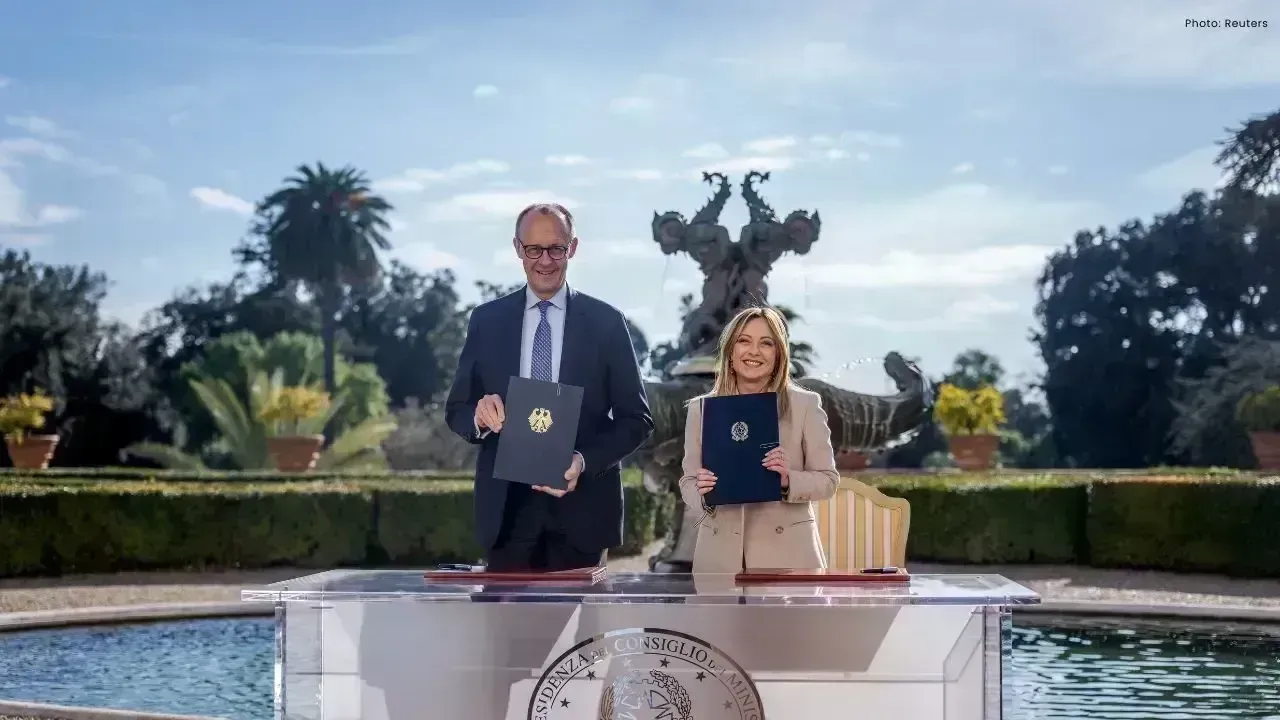
Germany and Italy, the leading manufacturing powers in the European Union, have announced a fresh alliance aimed at fortifying European industry and enhancing the bloc’s global competitiveness. This partnership signifies a tighter partnership between Berlin and Rome as both nations express concerns over economic strains from China, the United States, and stringent EU regulations.
The initiative was unveiled in Rome during talks between Italian Prime Minister Giorgia Meloni and German Chancellor Friedrich Merz. The leaders committed to collaborating within the EU to streamline rules, curtail redundant regulations, and bolster pivotal industries. They also vowed closer cooperation in sectors including energy, defense, security, and migration.
Both governments emphasized the urgency for Europe to act more decisively and cohesively. They cautioned that sluggish decision-making and onerous regulations are eroding Europe’s industrial foundation, particularly amid the escalating challenges posed by the war in Ukraine and global economic competition.
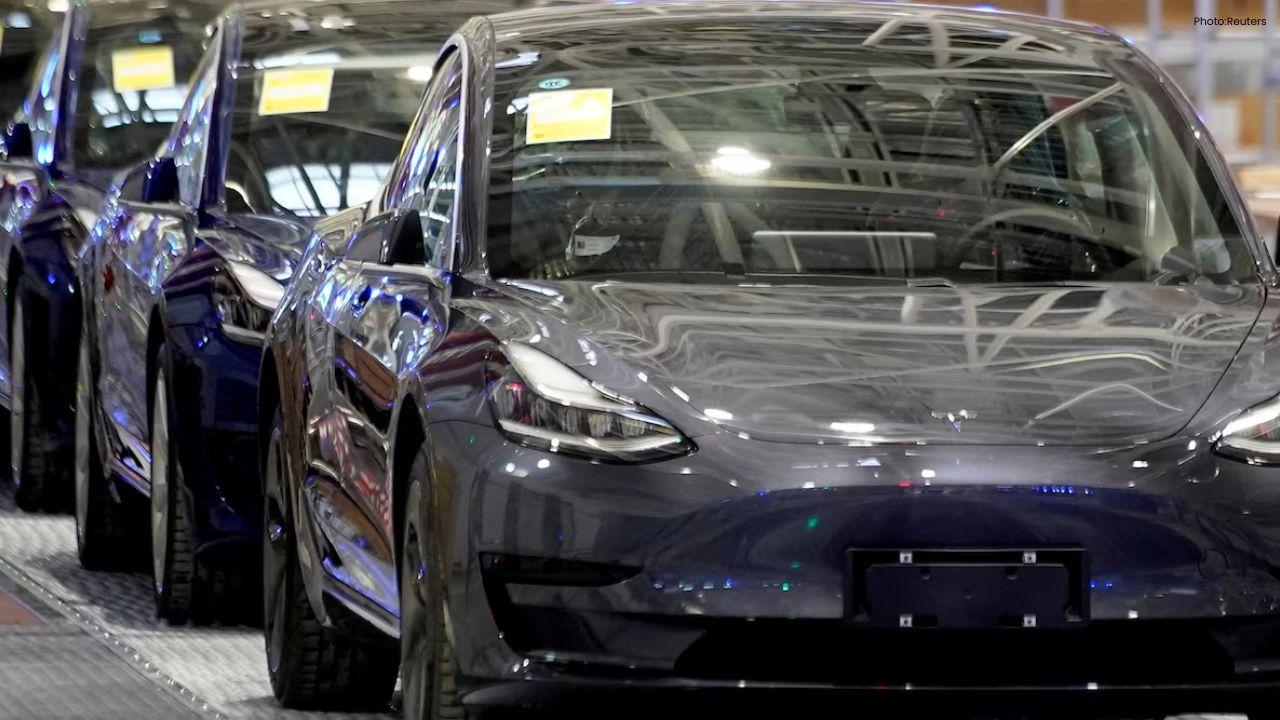
Meloni remarked that Italy and Germany now share a unified stance on numerous significant issues. She voiced criticism of the EU’s green transition policies, asserting that they have exerted excessive pressure on industries, especially automotive manufacturers, while affording China a competitive advantage. Germany has similarly raised concerns that EU regulations create barriers for manufacturers in the global market.
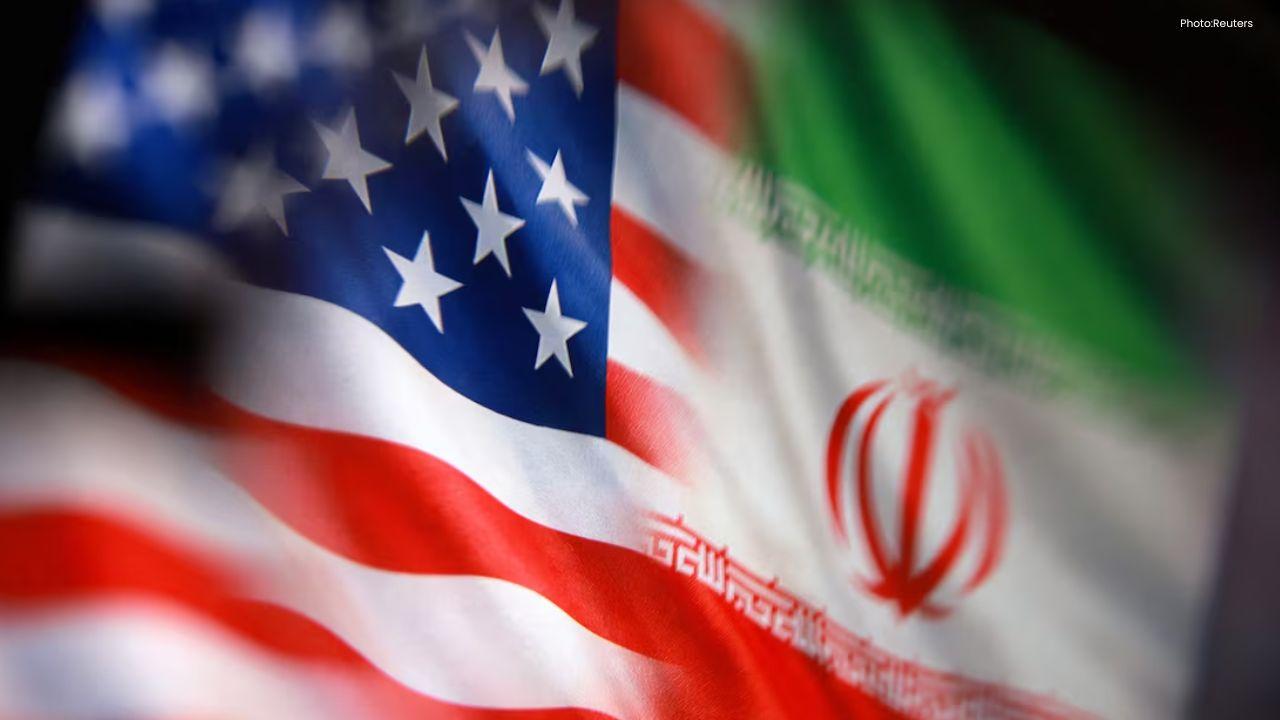
This alliance also sheds light on the differing perspectives within the EU. While France has recently advocated for a more aggressive approach towards the United States, Germany and Italy have adopted a more measured stance. Both nations prioritize cooperation and dialogue as major exporters to the U.S., particularly during delicate diplomatic circumstances.
In a comprehensive joint action plan, the countries called for the simplification of EU legislation and urged caution in the formulation of new regulations. They posited that reducing bureaucratic hurdles would enable businesses to invest, expand, and create job opportunities. Furthermore, they advocated for deeper integration of the EU’s single market, particularly in the services sector, which they consider crucial for future growth.
Germany and Italy pinpointed essential sectors requiring protection and backing, including the automotive industry and energy-intensive manufacturing. They cautioned that without enhanced collaboration, Europe risks lagging behind the United States and China in technological advancement and industrial capabilities.
Additionally, the two governments agreed to collaborate on securing essential raw materials vital for modern manufacturing. Given China's control over significant portions of these supply chains, Berlin and Rome asserted the necessity for Europe to diminish its dependency and foster fair competition, notably in online retail markets.
Regarding trade, both nations advocated for expedited approvals of EU trade agreements with South and Central American countries and urged progress on agreements within the Indo-Pacific region. This position contrasts with France's push for greater protections for its agricultural sector.
Germany and Italy also formalized a defense cooperation pact to enhance joint operations across land, air, sea, and electronic systems. This action underscores their mutual belief that a robust industrial base is intrinsically linked to Europe’s overall security.
This alliance signifies a pivotal development in EU politics, positioning Germany and Italy as frontrunners in shaping the bloc’s trajectory. As global competition intensifies, their collaboration could be crucial in determining how Europe navigates the interplay between economic growth, regulation, and industrial capability in the coming years.
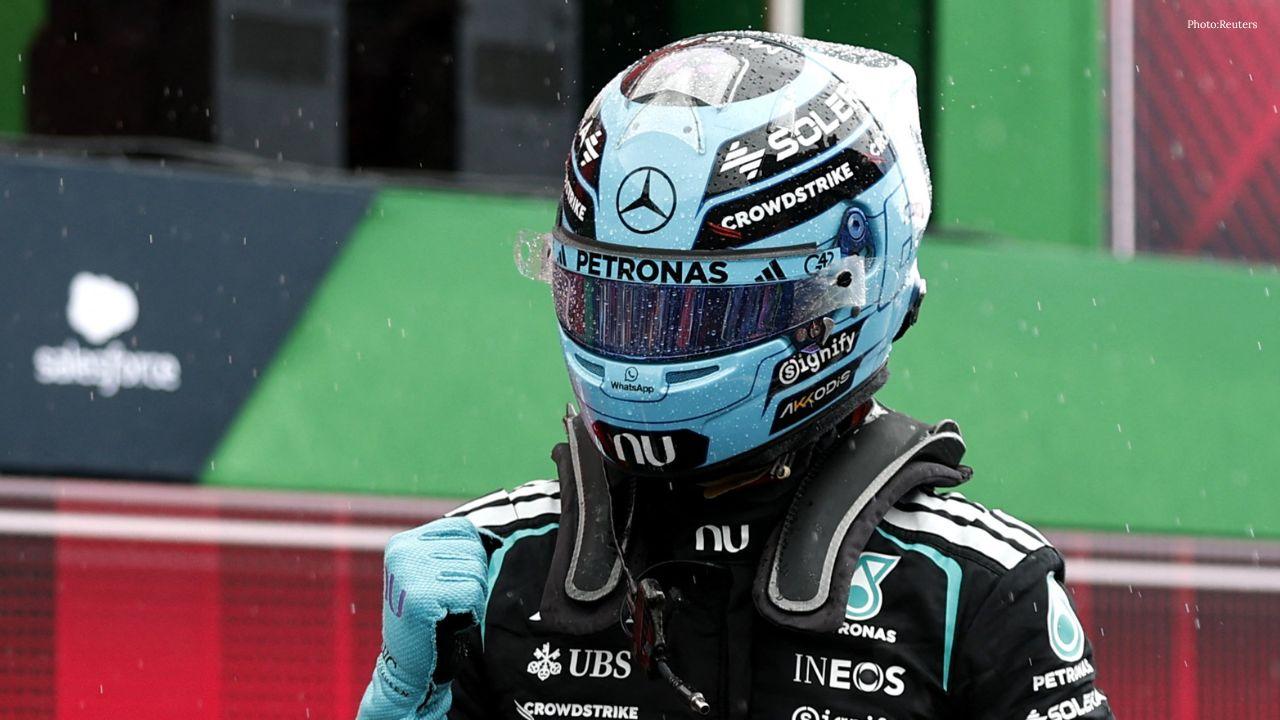


George Russell Wins Dutch GP Sprint, Boosts Mercedes Morale
George Russell wins the Dutch GP Sprint from pole as Mercedes teammate Kimi Antonelli extends his F1

Australia 50/3 After Bangladesh Bowled Out for 64 in Second Test
Australia reached 50/3 after Bangladesh were bowled out for 64 in the second Test, with Mitchell Sta

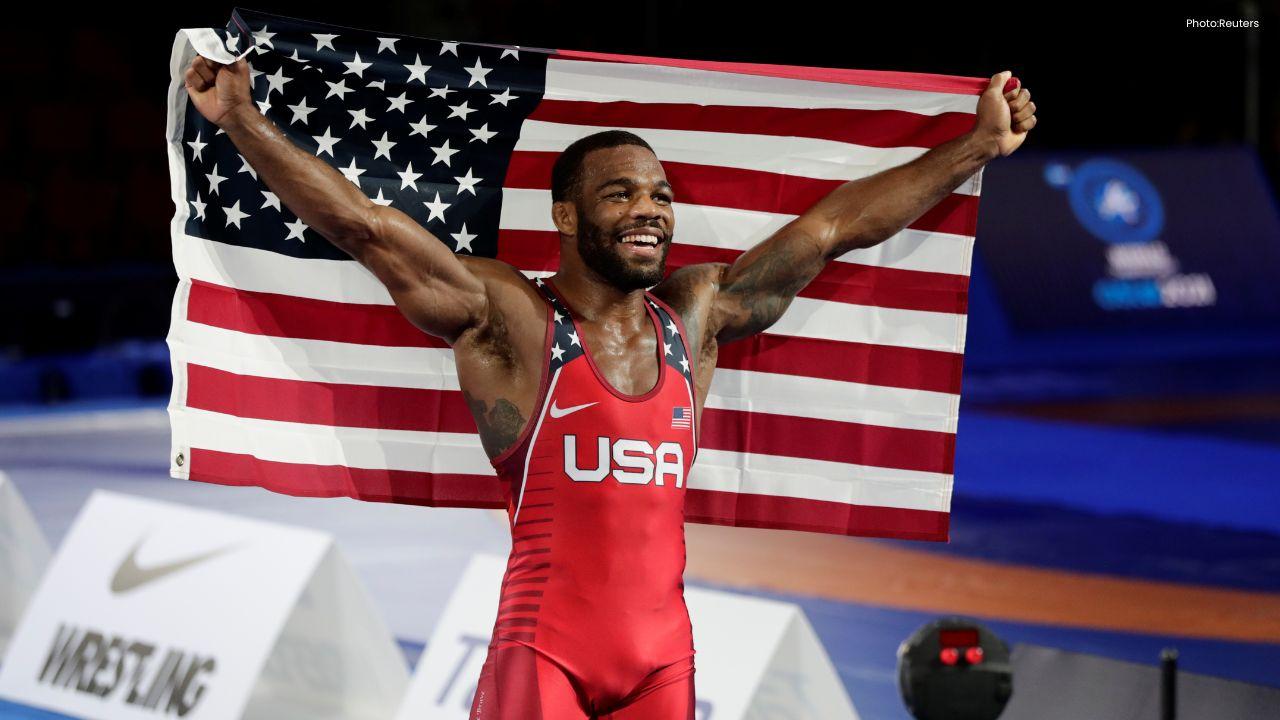
Jordan Burroughs Returns to Wrestling with 2028 Olympic Dream
Jordan Burroughs returns to wrestling with Real American Freestyle as the Olympic champion eyes a po
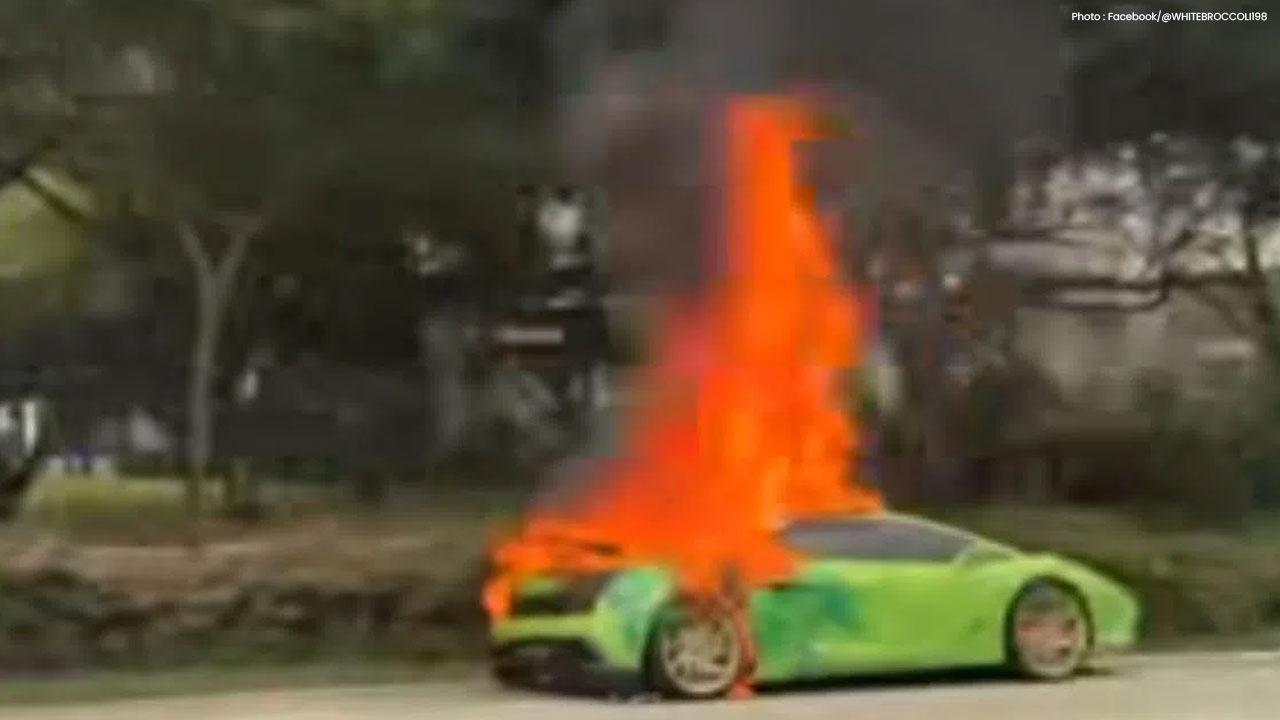
Lamborghini Catches Fire on Singapore's ECP, Causing Heavy Traffic
A Lamborghini caught fire on Singapore's ECP, causing heavy traffic and bus delays. No injuries were

Bangkok Airport Duty-Free Area Flooded by Pipe Burst
A burst water pipe flooded the duty-free shopping area at Bangkok's Suvarnabhumi Airport on July 16,
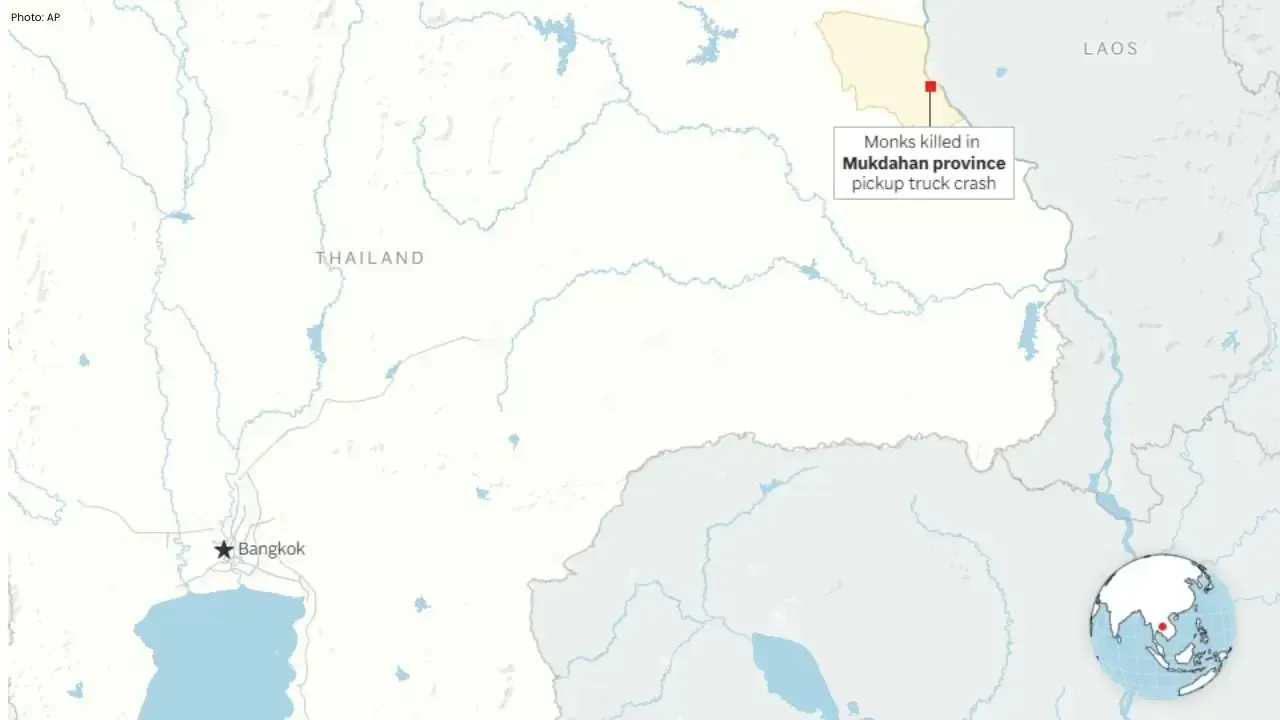
Nine Monks Killed in Thailand Pickup Truck Tragedy
An 11-year-old boy driving a pickup truck crashed into monks during a pilgrimage in northeastern Tha