
You have not yet added any article to your bookmarks!
Join 10k+ people to get notified about new posts, news and tips.
Do not worry we don't spam!

Post by : Anis Farhan
The recent launch of coordinated global blood donation campaigns has not only increased the number of registered donors — it has reignited important discussions about community responsibility, health literacy, and the collective strength derived from public participation. Countries across continents including Asia, Europe, Africa, and the Americas have embarked on conspicuous initiatives urging individuals, workplaces, and local groups to contribute amidst rising demands and seasonal shortages. What makes these efforts innovative is their global outreach and their capacity to transform community interaction with health systems.
In several regions, blood donation is often clouded by misconceptions and emotional barriers. However, the focus on storytelling, sharing of genuine patient experiences, and transparent data communicated this week has resonated deeply across diverse age groups. Social media has exploded with posts from first-time donors recounting their journeys, workplaces have mobilized group donation events, schools are fostering awareness, and local governments are highlighting the enduring public health advantages of regular blood donation.
Although blood donation has long been critical, these new initiatives redefine it as an act of community solidarity rather than merely a medical obligation. This evolution reflects a fundamental shift in the public perception of health involvement—not just viewed as individual responsibility, but as a collaborative mission strengthening community cohesion.
This comprehensive article examines the implications of this week’s campaigns, their significance, how community participation is evolving, and the future landscape of public health engagement worldwide.
While blood donation initiatives are commonplace, the current campaigns stand out for various reasons.
With simultaneous launches across multiple countries, these drives foster a sense of urgency and unity. Shared participation amplifies the message, making it more persuasive.
Utilizing human narratives instead of clinical jargon, the campaigns highlighted real-life accounts of patients saved by donations.
Heavy involvement from schools and universities has sparked interest among the younger population, normalizing the idea of donating blood early.
For the first time in many areas, rural communities gained equal focus with mobile donation units reaching those previously without access.
These initiatives have tackled misconceptions regarding safety, donation frequency, and eligibility.
Such distinctions have fostered a more welcoming atmosphere, inviting those who might have never considered donating to participate.
The increasing prevalence of blood shortages presents ongoing challenges for health systems globally, particularly during seasonal slumps or in countries with fewer donors.
Modern medical interventions, emergency situations, and chronic conditions demand a reliable blood supply. As healthcare permeates globally, demand has consequently intensified.
Car accidents continue to necessitate urgent transfusions, causing recurrent shortages in high-traffic countries.
An increase in medical needs among older adults propels demand for blood components like platelets and plasma.
Advancements in surgical procedures from organ transplants to cancer therapies require consistent blood supplies.
Shifts in weather, exam periods, and flu outbreaks impact donor availability, resulting in cyclical shortages.
This week’s campaigns have reinforced the notion that donating blood transcends seasonal acts, marking it as an ongoing community necessity.
The campaigns recast blood donation as a gesture of solidarity rather than an obligation, altering public perception.
Businesses organized coordinated transports and provided time off to encourage group donations, alleviating anxiety for newcomers and enhancing morale.
Families have begun visiting donation centers together, redefining donation as a communal value instead of a solitary task.
Prominent local figures and social activists publicly participated, sharing their experiences to diminish stigma.
Some communities established localized points for donations, enhancing grassroots involvement.
Many first-time donors have pledged to return, signaling a shift towards sustained participation.
This week has collectively represented a cultural turning point in community involvement in public health.
The campaigns have effectively harnessed digital media.
Visual stories about patients who survived thanks to blood donations offered emotional context, transforming abstract needs into tangible human outcomes.
Short videos simplified the donation process, explaining safety, eligibility, and recovery.
Individuals shared motivations such as honoring loved ones and supporting community health, inspiring wider participation.
Badges like “I Donated Today” encouraged people to share their experiences, expanding the campaign’s reach.
Live coverage of donation drives fostered trust and visibility.
These strategies significantly turned awareness into action.
Youth engagement surged, thanks to targeted campus campaigns and relatable digital strategies.
This week marked a notable influx of first-time donors, aided by accessible information and reduced fear.
More women participated than in prior years, driven by outreach addressing misconceptions around health and eligibility.
Workplace initiatives have successfully engaged busy professionals in donating.
Mobile units have successfully facilitated an increase in rural participation, previously a challenge.
These demographics have collectively made this week one of the most significant global donation movements in recent times.
Increased donation volumes replenish reserves, ensuring timely responses to emergencies.
Open communication during these campaigns has bolstered community trust in health agencies.
Communities now better comprehend blood types, donation schedules, and the relationship between donation and survival.
Many donors benefited from health checks at donation sites, facilitating early detection of potential health issues.
Campaigns have resulted in databases of committed repeat donors and volunteer coordinators.
The advantages for health systems extend well beyond this week's events.
In many locales, blood donation is evolving beyond an individual act to become a community event.
Communities are organizing regular donation drives rather than only responding to shortages.
Adding music, refreshments, and wellness activities turns donation drives into enjoyable community events.
Cities and towns are starting to take pride in their donation statistics, fostering a spirit of healthy competition.
For many, donating has turned into a way of commemorating birthdays and milestones.
This transformation enhances community ties while supporting the health sector.
Though participation has risen, lingering myths persist.
Fact: Healthy individuals recover promptly.
Fact: Use of sterile, single-use equipment guarantees high safety measures.
Fact: Many lifestyle factors do not restrict eligibility to donate.
Fact: All blood types are crucial, particularly O and A.
The campaigns have been pivotal in correcting these misunderstandings.
Healthcare staff provided step-by-step guidance, alleviating donor anxiety.
Quick screenings ensured safety for all donors.
Organized queues and swift service made donors feel appreciated.
Thank-you notes and small tokens reinforced donor satisfaction.
Healthcare workers have been essential to the success of this movement.
Health engagement is gradually being perceived as a normal part of community life, rather than a rare duty.
Early participation likely shapes long-term behavior, positioning today’s young donors as habitual contributors.
Volunteer groups established this week will remain active in spreading awareness.
Worldwide participation has nurtured a collective sense of responsibility and empathy.
These shifts may significantly influence public health culture in the future.
Many individuals donate only once; consistent involvement is essential.
Efforts must continue to ensure mobile units reach underserved areas.
Awareness about platelet and plasma donations is still lacking.
Clear communication needs to address eligibility concerns.
Ongoing refinement in messaging and accessibility is needed.
The global blood donation campaigns initiated this week have sparked not only temporary spikes in donor numbers but also a redefinition of how society perceives participation in public health. By transforming donation into an act of community unity, empowering newcomers, and reinforcing trust in the health system, these initiatives foster a culture of responsibility that transcends individual interests.
With increasing medical demands, fluctuating blood supplies, and unpredictable emergencies, these efforts pave the way for mobilizing effective public engagement. If the current momentum persists, blood donation may evolve into one of the most esteemed and unifying health practices of our era — a simple act with an extensive impact on survival and well-being.
This article serves informational and editorial purposes only. It is not a medical guide. Eligibility criteria for blood donation vary according to location and individual health, and readers should consult official guidelines or healthcare professionals before donating.






Nvidia Pledges $250 Million for UK AI Safety Research
Nvidia will provide $250 million in computing resources over five years to support AI safety researc

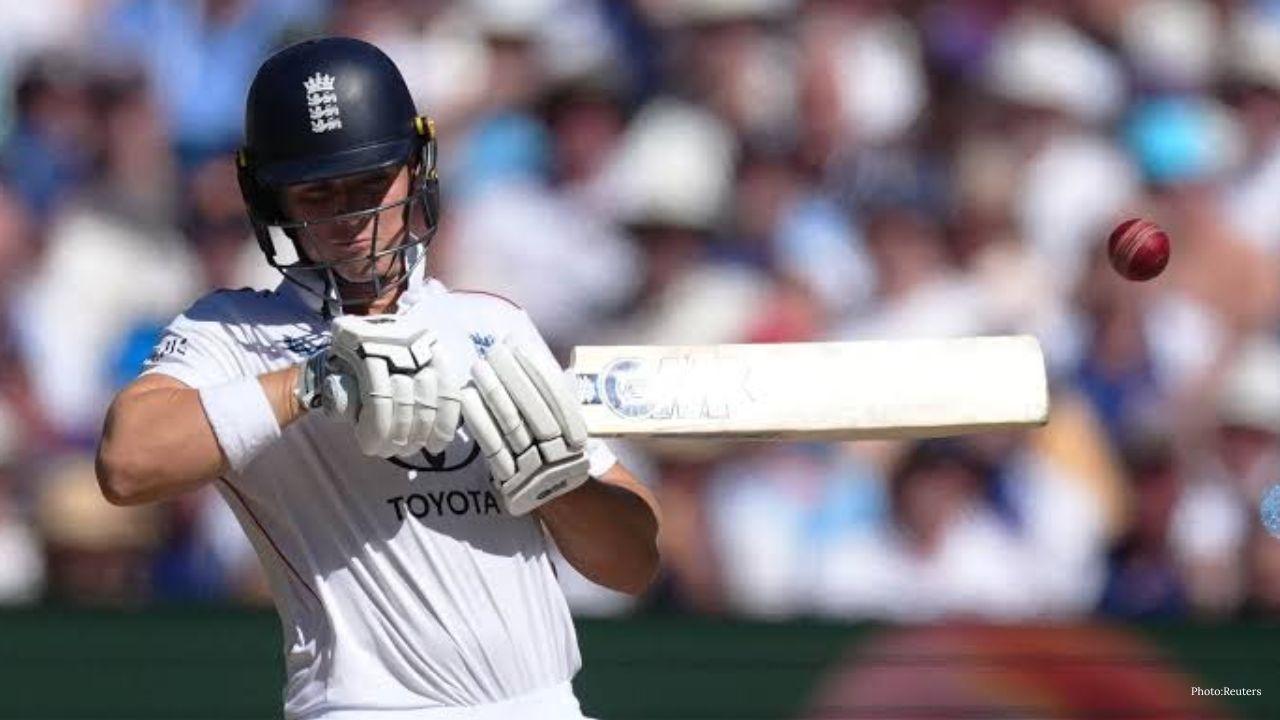
Jacob Bethell Returns as England Name Squads for Australia Tour
England name ODI and T20 squads for the Australia tour, with Jacob Bethell returning from injury and

Beauden Barrett Opens Up About Mental Struggles During All Blacks Exile
Beauden Barrett discusses his confidence struggles after missing six tests, his return against Austr

IMF Says AI Investment Supports Global Growth Despite Energy Shock
IMF says AI investment is supporting global growth near 3%, with Asian economies benefiting from ris

Will O'Rourke Ruled Out of New Zealand's India Series
New Zealand fast bowler Will O'Rourke will miss the India series with hamstring and calf injuries as

AI Companies Expected to Drive Most US Earnings Growth in Q3
AI companies are expected to drive US third-quarter earnings growth as investors assess tech profits

