
You have not yet added any article to your bookmarks!
Join 10k+ people to get notified about new posts, news and tips.
Do not worry we don't spam!
Post by : Anis Farhan
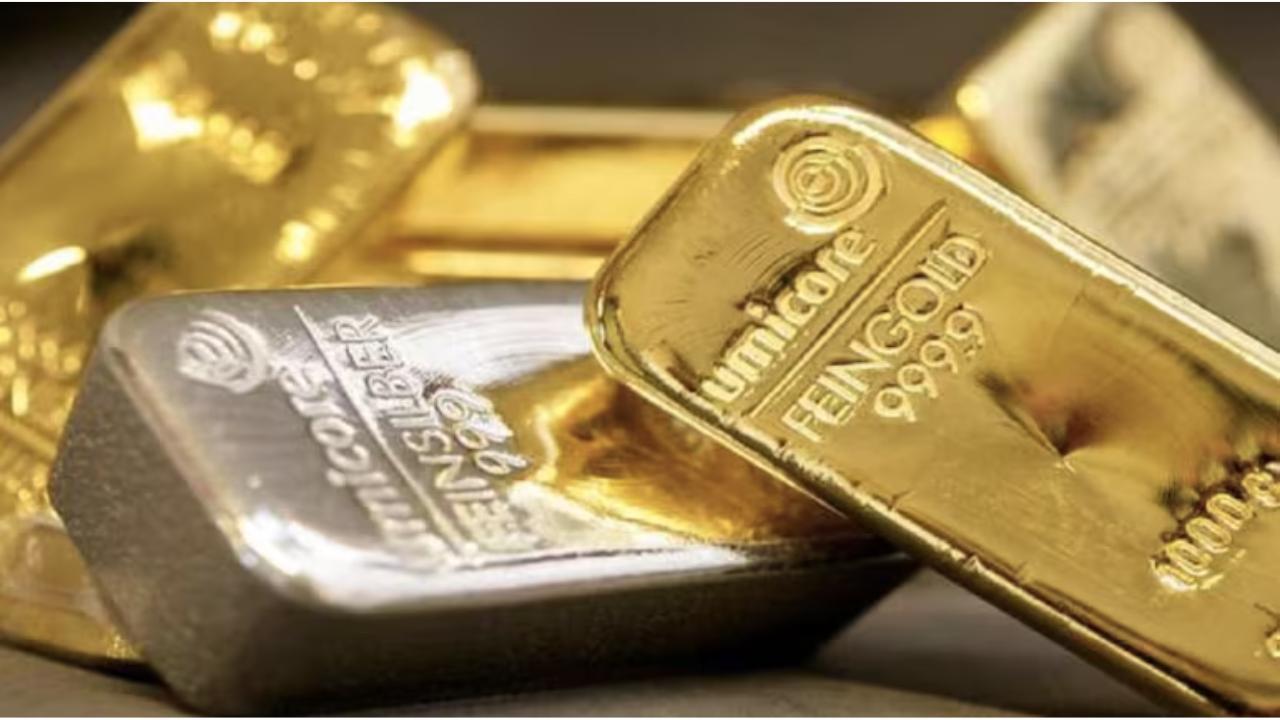
Gold and silver — historically safe haven assets for investors — have entered an unexpected downturn, defying traditional expectations about their behaviour during market uncertainty. Fresh data from the Multi Commodity Exchange (MCX) shows that both metals have been declining sharply for consecutive sessions, with prices sliding significantly from recent record highs. This unexpected move has triggered panic among market participants, inciting questions about whether this signals a broader shift in investor sentiment or merely a short-term correction.
Precious metals, often considered a hedge against inflation and systemic risk, typically attract capital during times of financial stress. In early 2026, however, global and domestic dynamics converged to propel prices downward — leading to a rare and severe crash that has industry watchers and portfolio managers alike rethinking traditional strategies.
As of early February 2026, both gold and silver prices have persistently declined on the MCX futures market. MCX silver futures have recorded steep losses over consecutive sessions, while MCX gold has also suffered heavy selling, marking several days of uninterrupted downward movement.
Simultaneously, international precious metals markets mirrored this slide with substantial price drops on global exchanges such as COMEX. Analysts observed a sell-off that erased significant gains achieved just weeks earlier, illustrating the extent of the reversal.
In many respects, the recent downturn represents one of the most dramatic corrections in precious metals in decades, particularly after the extraordinary price rallies that occurred in late 2025.
One of the most influential factors behind the plunge in gold and silver prices has been the strengthening U.S. dollar. Because precious metals are priced in dollars globally, a stronger dollar makes them more expensive for holders of other currencies, resulting in reduced international demand.
The U.S. dollar index rose sharply, buoyed by expectations of tighter monetary policy following the nomination of a more hawkish chair for the Federal Reserve. This shift boosted bond yields, making non-yielding assets like gold and silver less attractive relative to interest-bearing securities.
Global exchanges such as the CME Group raised margin requirements on gold and silver futures, increasing the cost of leveraged positions. Higher margins force many traders — especially speculative investors — to either reduce exposure or unwind positions entirely, accelerating the downward momentum in prices.
The recent crash followed a powerful rally in both gold and silver, which pushed prices to all-time highs only weeks earlier. As prices climbed rapidly, many traders began booking profits, triggering a cascade effect once prices began to reverse. This profit-taking phenomenon was compounded by automated trading systems and speculative positions being forced to close during volatility.
Market sentiment shifted abruptly across asset classes, with equities and other risk-on assets regaining speculative appetite as macroeconomic data suggested slowing inflation concerns. As risk sentiment improved among certain investor cohorts, the appeal of safe-haven metals diminished temporarily, adding to downward pressure on prices.
Gold, historically considered a portfolio staple during times of uncertainty, saw sharp declines that caught many investors off guard. Although gold has lost significant ground from its peak, analysts note that its long-term bullish trend may still remain intact despite the correction — particularly when viewed in the wider context of inflationary pressures and geopolitical risk.
Despite this crash, some strategists argue that gold’s role as a diversification tool remains relevant, especially for long-term investors seeking to hedge against broader market volatility.
Silver prices tended to fall even more dramatically than gold, reflecting its dual role as both a precious metal and an industrial commodity. With weaker industrial demand and heightened speculative trading, silver’s correction has been steeper, exposing short-term traders to sharp losses as prices descended rapidly.
For investors with concentrated exposure to silver, the current volatility presents unique risks and opportunities — but also calls for a nuanced understanding of silver’s distinct market drivers compared with gold.
Short-term traders, particularly those employing leveraged strategies, are facing heightened risk in this environment. Rapid price swings and higher margin requirements raise the cost of maintaining positions, making short-term decisions more complex and costly.
Aggressive traders may find opportunities in technical levels and price rebounds, but this requires precise timing and risk management given ongoing uncertainty.
For long-term investors, the sharp correction could represent a strategic entry point — particularly for gold. Some analysts suggest that sharp sell-offs are natural in long bullish cycles and can establish more stable support levels over time.
However, investors are advised to exercise caution and consider portfolio diversification. Precious metals can still serve as an effective hedge when aligned with broader financial goals and market conditions.
Several analysts maintain that the bull run for gold remains intact in the long run, arguing that underlying economic fundamentals — including inflation concerns and geopolitical instability — continue to support higher price prospects over extended time horizons.
Bullish forecasts point to potential rebounds if macroeconomic conditions shift, particularly if central bank policies pivot in response to slower economic growth.
Conversely, other market experts advise caution, warning that the sharp crash may presage continued price swings. External factors such as monetary policy shifts, currency fluctuations, and systemic liquidity remain key variables that could sustain volatility in precious metal prices.
In this context, investors are encouraged to stay informed and consult financial advisors before making significant investment decisions.
Major corrections in gold and silver prices are not unprecedented. Historical cycles often show periods of extended rallies followed by sharp corrections. These phases typically restructure speculative positioning and reset valuation levels before a renewed trend emerges — either upward or downward — based on evolving macroeconomic signals.
Understanding these historical patterns can offer context for current market behaviour and help investors differentiate between cyclical corrections and fundamental changes in long-term value.
The recent crash in gold and silver prices represents a notable departure from the strong rallies seen previously, reflecting a confluence of macroeconomic shifts, trading dynamics, and investor sentiment changes. While steep declines have unsettled markets and prompted urgent reevaluation among traders, the broader implications for long-term investors are more nuanced.
Investors must weigh short-term risks against strategic opportunities, embracing diversification and disciplined risk management to navigate this turbulent phase. With precious metals historically rebounding from corrections, the current downturn may be a transient but important phase in a longer investment journey.
Disclaimer:
This article synthesises current market developments and expert analysis related to gold and silver price movements as of early February 2026. It does not constitute financial advice. Investors should conduct their own research or consult certified financial advisors before acting on any investment strategy.










PM Modi Pays Tribute to Mahatma Gandhi, Urges People to Support Khadi
PM Modi pays tribute to Mahatma Gandhi on Gandhi Jayanti and urges citizens to support Khadi and the

Amazon Seeks to Offload $8 Billion in Nvidia Chips to Investors
Amazon plans to move $8 billion in Nvidia chips to investors, using a new financing model to strengt

Samsung Raises Galaxy S26 Prices as Memory Chip Costs Rise
Samsung raises Galaxy S26 prices in South Korea as rising memory chip costs put pressure on smartpho

Lewis Hamilton Calls Singapore Grand Prix One of F1's Toughest Races
Lewis Hamilton discusses the demanding Singapore Grand Prix and brings Plus44 and Almave to Singapor

Denmark's Pandora Opens World's Largest Jewellery Factory in Vietnam
Pandora opens its largest jewellery factory in Vietnam, expanding global production, strengthening s

Gautam Gambhir Questions Batting-Friendly Pitches After India's Record ODI Chase
Gautam Gambhir questions batting-friendly ODI pitches after India’s record chase, calling for a bett

