
You have not yet added any article to your bookmarks!
Join 10k+ people to get notified about new posts, news and tips.
Do not worry we don't spam!
Post by : Anis Farhan
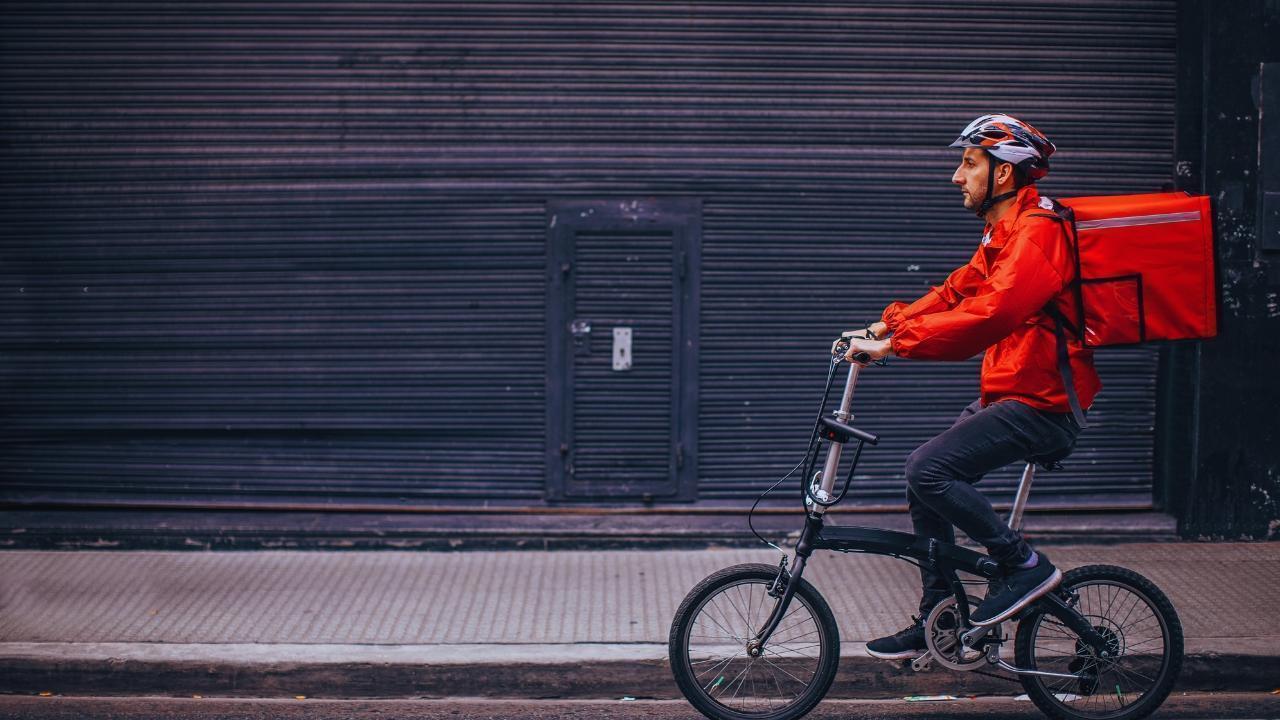
A few years ago, food delivery was simple. People called restaurants, placed an order, and waited for their food. Today, the scene is completely different. With mobile apps and fast delivery options, food arrives at your door in less than 30 minutes. In many Asian cities, delivery workers on scooters or bicycles rush through busy streets, bringing fresh meals to people at home or work. This change has made life easier, but it also comes with new challenges. In this article, we will see how food delivery is changing urban life in Asia in big and small ways.
Food delivery apps have become a common part of life in cities like Bangkok, Jakarta, Manila, Kuala Lumpur, and many more. Companies like GrabFood, Foodpanda, Gojek, and Zomato have become household names. People no longer need to step outside to enjoy restaurant food. All it takes is a few taps on a smartphone.
During the COVID-19 pandemic, the use of these apps increased even more. Lockdowns and social distancing made people avoid restaurants. Delivery apps became a safe way to enjoy their favorite meals. Even after restrictions ended, people continued to use these apps because they liked the convenience.
One big change is the number of food choices available. Before, you could only order from nearby restaurants that had their own delivery. Now, almost every restaurant is listed on an app. People can order meals from fast food places, small street stalls, fancy restaurants, and even home kitchens.
In big cities like Kuala Lumpur or Ho Chi Minh City, you can find hundreds of options on just one app. From noodles to pizza, local street food to international dishes, everything is available without leaving home. This has made life more comfortable, especially for young professionals and students.
A new trend called cloud kitchens has also grown fast in Asia. Cloud kitchens are places where food is made only for delivery. There are no dine-in tables or fancy interiors. The focus is on making good food fast and delivering it quickly. Many famous food delivery brands use cloud kitchens to cut costs and serve more areas.
In cities like Jakarta and Bangkok, small businesses have started cloud kitchens from their homes. This gives local cooks and small restaurants a chance to reach more customers. It also keeps prices lower because there are no costs for dining space.
Food delivery apps have created many jobs, especially for young people or those who lost jobs during hard times. Becoming a delivery driver is simple. Many people use their own motorcycles or bicycles and work flexible hours.
In countries like Vietnam and Thailand, food delivery jobs are very popular among students who want to earn extra money. Even during difficult economic times, the food delivery industry has helped people find work and keep earning.
While food delivery is useful, it has also caused problems in many cities. More delivery drivers mean more motorcycles on the streets. In already crowded cities like Manila or Hanoi, this has made traffic worse. Delivery drivers are often in a hurry, trying to meet time targets, which can lead to accidents.
In some places, cities are now planning special lanes or rules for delivery drivers to make streets safer. Companies are also trying to give safety training to their drivers to avoid accidents and improve road behavior.
Many small restaurants have mixed feelings about food delivery apps. On one side, these apps help restaurants reach more customers and increase sales. On the other side, delivery apps take a high commission fee, sometimes as much as 30% per order.
This has made it harder for small restaurants to survive. Some have decided to focus only on takeaway and delivery, while others have tried to reduce their menu to cut costs. The restaurant business has changed because now dine-in customers are fewer, and delivery has become more important.
Food delivery apps have changed what and when people eat. Many office workers now order lunch daily instead of bringing food from home. Late-night food delivery has also increased, especially in cities where people work long hours.
People also try new foods more often because it is easy to explore menus on apps. However, doctors warn that easy access to fast food can lead to unhealthy eating habits. Many young people eat more fried or oily food because it is cheap and arrives quickly.
Food delivery companies in Asia are using new technology to make services faster. Many apps use artificial intelligence (AI) to suggest meals based on your past orders. They also use smart maps to choose the fastest delivery route.
In some cities, you can track your food in real time, from the kitchen to your door. Some companies are testing delivery robots and drones for faster service. Although this is not common yet, experts say it could be the future of food delivery in big Asian cities.
With more food delivery, there is more waste, especially from plastic boxes and bags. This has caused worry among environmental groups. Some companies are trying to fix this by using paper packaging or encouraging people to return delivery bags.
In Singapore, some delivery services offer reusable containers. In Thailand, some apps let you choose “no plastic cutlery” to reduce waste. Slowly, food delivery companies are becoming more eco-friendly because customers are asking for greener choices.
One big change is happening inside people’s homes. With food delivery apps, fewer people cook their own meals. Busy city life makes people choose delivery over cooking. While this saves time, it also means some cooking traditions are being lost.
In the past, families would cook together and share home-cooked meals. Now, especially in cities, many young people do not learn to cook because food delivery is cheap and easy. This is changing food culture in Asian cities.
Because food delivery affects so many people, governments in Asia have started to make new rules. Some cities want to limit the number of delivery drivers during peak hours to reduce traffic. Others are asking companies to give more rights and better pay to drivers.
In South Korea, drivers formed a union to ask for safer working conditions. In Malaysia, the government is looking into ways to protect delivery workers during accidents. As food delivery grows, more governments will likely make rules to protect both customers and workers.
Food delivery has also changed how people celebrate holidays. During busy festivals like Chinese New Year or Ramadan, many restaurants stay open for delivery because people prefer to order food instead of cooking large meals.
In places like Indonesia during Ramadan, late-night food delivery increases because people eat before dawn. During Christmas and New Year, restaurants in Manila stay open late because people order food for parties. Delivery services now play a big part in holiday celebrations.
Experts say the food delivery industry will keep growing in Asia. People enjoy the ease of ordering food with a phone. Companies will offer more options like healthy meals, subscription plans, and even grocery deliveries.
Electric scooters and bicycles will be used more to cut down on pollution. Robots and drones might become common in cities with good roads. People will still enjoy the comfort of good food coming straight to their homes.
The food delivery boom has changed city life in Asia in many ways. It has made eating easier, created jobs, and helped businesses survive hard times. It has also made people rely less on cooking, increased traffic, and created new challenges for governments.
Overall, food delivery is now part of modern life in Asia. Whether you are a student, an office worker, or a family, the way you eat has likely changed because of these apps. Like all big changes, it has both good and bad sides. But one thing is sure—food delivery is here to stay, and it will keep shaping urban life for many years to come.
This article is written for Newsible Asia for general informational purposes on business and lifestyle changes in Asia. Information is based on common trends and observations. For exact business or legal advice, please contact professional sources or local authorities.










PM Modi Pays Tribute to Mahatma Gandhi, Urges People to Support Khadi
PM Modi pays tribute to Mahatma Gandhi on Gandhi Jayanti and urges citizens to support Khadi and the

Amazon Seeks to Offload $8 Billion in Nvidia Chips to Investors
Amazon plans to move $8 billion in Nvidia chips to investors, using a new financing model to strengt

Samsung Raises Galaxy S26 Prices as Memory Chip Costs Rise
Samsung raises Galaxy S26 prices in South Korea as rising memory chip costs put pressure on smartpho

Lewis Hamilton Calls Singapore Grand Prix One of F1's Toughest Races
Lewis Hamilton discusses the demanding Singapore Grand Prix and brings Plus44 and Almave to Singapor

Denmark's Pandora Opens World's Largest Jewellery Factory in Vietnam
Pandora opens its largest jewellery factory in Vietnam, expanding global production, strengthening s

Gautam Gambhir Questions Batting-Friendly Pitches After India's Record ODI Chase
Gautam Gambhir questions batting-friendly ODI pitches after India’s record chase, calling for a bett

