
You have not yet added any article to your bookmarks!
Join 10k+ people to get notified about new posts, news and tips.
Do not worry we don't spam!
Post by : Shakul
A family in Kawanishi is continuing a centuries-old charcoal-making tradition that plays an important role in preserving Japan’s tea ceremony culture.
Manabu Imanishi, a 54-year-old craftsman, produces Hitokurazumi charcoal, a special type of charcoal traditionally used in the Japanese tea ceremony. The charcoal is made using time-honored techniques in a kiln located at his home in Hyogo Prefecture.
Hitokurazumi, also known as kikusumi or “chrysanthemum charcoal,” gets its name from the unique pattern visible when the charcoal is cut. The cross-section forms cracks that resemble the petals of a chrysanthemum flower, making it highly valued for both aesthetic and practical purposes in tea ceremonies.
Charcoal production in the Kurokawa district of Hyogo dates back around 500 years, when the area was known for its high-quality charcoal industry. However, demand began to decline as modern energy sources such as electricity and gas replaced charcoal for everyday use.
At its peak around 1960, about 40 charcoal-producing businesses operated in the district. Today, the Imanishi family is believed to be the only remaining producer of this traditional charcoal in the area.
Production begins each year in late January. Logs of sawthorn oak, each about one meter long, are placed inside a dome-shaped kiln and burned for roughly three days. Afterward, the chimney is sealed to allow the charcoal to steam and stabilize.
Several days later, the family carefully enters the kiln — where temperatures can still reach about 100°C — to remove the finished charcoal pieces. This process continues until early May.
The use of younger oak trees this year has produced charcoal with especially attractive patterns, according to Imanishi.
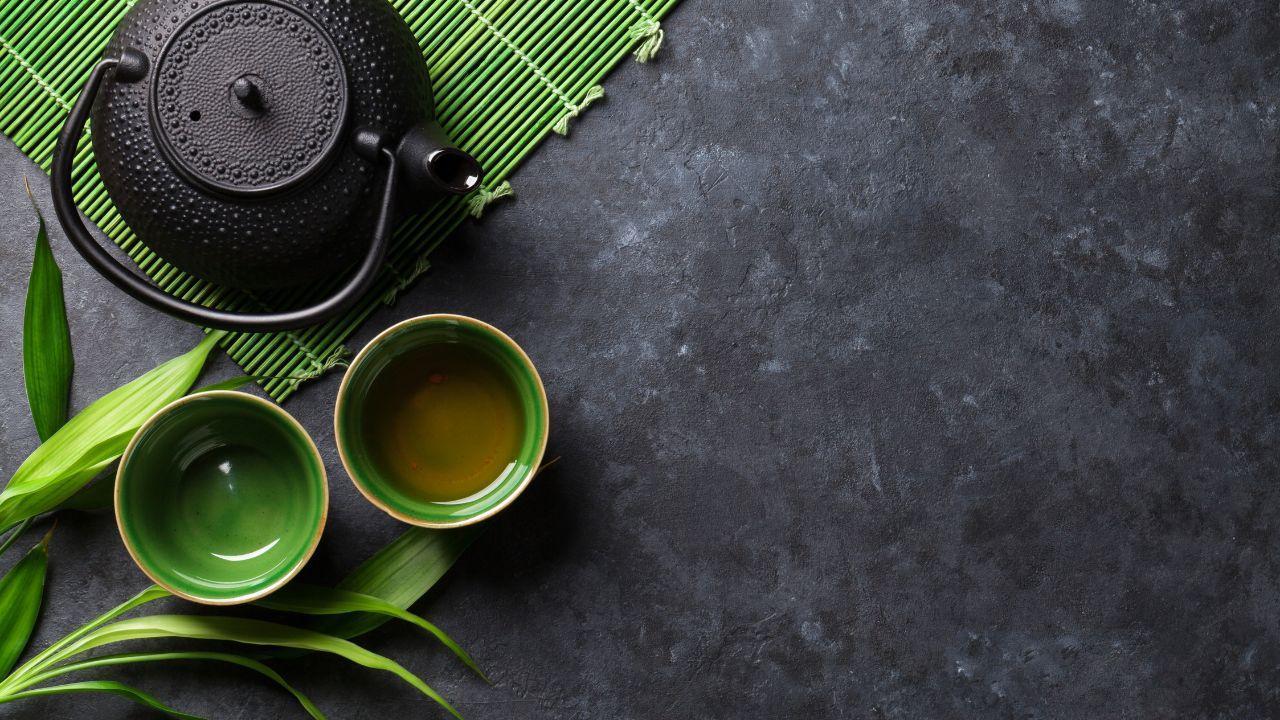
The charcoal is widely appreciated by practitioners of the traditional Japanese tea ceremony, where the quality and appearance of charcoal play an important role in heating water and maintaining the ceremony’s aesthetic atmosphere.
Imanishi says his goal is not only to produce charcoal but also to keep a cultural heritage alive.
“I want to preserve the tea ceremony culture by keeping the charcoal-making fire burning,” he said.
By continuing the craft despite declining demand, the family is helping protect a small but significant part of Japan’s cultural history.










PM Modi Pays Tribute to Mahatma Gandhi, Urges People to Support Khadi
PM Modi pays tribute to Mahatma Gandhi on Gandhi Jayanti and urges citizens to support Khadi and the

Amazon Seeks to Offload $8 Billion in Nvidia Chips to Investors
Amazon plans to move $8 billion in Nvidia chips to investors, using a new financing model to strengt

Samsung Raises Galaxy S26 Prices as Memory Chip Costs Rise
Samsung raises Galaxy S26 prices in South Korea as rising memory chip costs put pressure on smartpho

Lewis Hamilton Calls Singapore Grand Prix One of F1's Toughest Races
Lewis Hamilton discusses the demanding Singapore Grand Prix and brings Plus44 and Almave to Singapor

Denmark's Pandora Opens World's Largest Jewellery Factory in Vietnam
Pandora opens its largest jewellery factory in Vietnam, expanding global production, strengthening s

Gautam Gambhir Questions Batting-Friendly Pitches After India's Record ODI Chase
Gautam Gambhir questions batting-friendly ODI pitches after India’s record chase, calling for a bett

