You have not yet added any article to your bookmarks!
Join 10k+ people to get notified about new posts, news and tips.
Do not worry we don't spam!

Post by : Saif Rahman
In November, core consumer inflation in Tokyo surged past the Bank of Japan’s (BOJ) 2% target, hinting at an impending interest rate increase. The rise in food prices and stable inflation rates, excluding fresh food and energy, strengthen the argument for a potential tightening of policies by the central bank.
The core consumer price index (CPI) for Tokyo, excluding fresh food, increased by 2.8% year-on-year in November, consistent with October figures and slightly ahead of the expected 2.7%. Another significant measure, omitting both fresh food and fuel prices, also registered a 2.8% increase, aligning with previous month trends.
This uptick in core prices was significantly influenced by escalating food costs, with rice surging by 38.5%, coffee beans climbing 63.4%, and chocolate prices growing by 32.5% year-on-year. Service-sector inflation remained subdued at 1.5%, but goods prices exhibited a 4.0% increase, highlighting more robust inflation pressures in the commodities sector.
Additional economic indicators reflect Japan's resilience amid rising U.S. tariffs. Retail sales and factory production both increased in October, while the unemployment rate remained stable at 2.6%. Factory production unexpectedly expanded by 1.4%, propelled by robust automobile manufacturing. Nevertheless, manufacturers predict a downturn in industrial output in the upcoming months, signaling potential obstacles ahead.
According to analysts, the BOJ appears poised to resume its tightening policies shortly. Marcel Thieliant, head of Asia-Pacific at Capital Economics, remarked, “With the labor market remaining tight and inflation excluding fresh food and energy expected to stay above 3% for the near term, the BOJ is set to initiate a tightening cycle in the next couple of months.”
The yen's recent drop to ten-month lows elevates the BOJ's concerns further. A depreciating yen escalates import costs, particularly for food, amplifying the likelihood of sustained inflation. Some policymakers have cautioned that postponing rate hikes could intensify household pressures from rising living expenses.
Last year, Japan moved away from its prolonged ultra-loose monetary policy, raising interest rates to 0.5% in January. Since then, BOJ has maintained rates stable to gauge economic ramifications. Nevertheless, current inflation trends, coupled with a depreciating yen and a tight labor market, indicate increasing support among board members for a rate increase.
Advisors advocating for reflation under Prime Minister Sanae Takaichi have warned against an immediate rate hike, pointing to weakened consumer spending and a GDP contraction in the third quarter. Yet, analysts suggest that an early rate increase could stabilize the yen and address rising import costs effectively.
In conclusion, Tokyo's ongoing high core inflation and escalating food prices are steering the BOJ towards a potential rate hike, as the central bank evaluates both local economic pressures and global trade complexities in its upcoming December policy meeting.










Hyundai raises profit target, expands hybrid lineup in the US
Hyundai hybrid cars get a major boost as the automaker raises its profit margin target and plans new

Josh Kerr and Jakob Ingebrigtsen Set for 1,500m Rivalry Rematch
Josh Kerr and Jakob Ingebrigtsen will renew their 1,500m rivalry at the Ultimate Championship in Bud

PSG Coach Luis Enrique Urges Players to Step Outside Comfort Zone
PSG coach Luis Enrique says players must leave their comfort zone and keep improving as the club tar

China’s Tiangong Sets New 400m Record at Robot Olympics
China’s Tiangong robot sets a new 400m record at the Robot Olympics, beating a South African robot i

George Russell Wins Dutch GP Sprint, Boosts Mercedes Morale
George Russell wins the Dutch GP Sprint from pole as Mercedes teammate Kimi Antonelli extends his F1
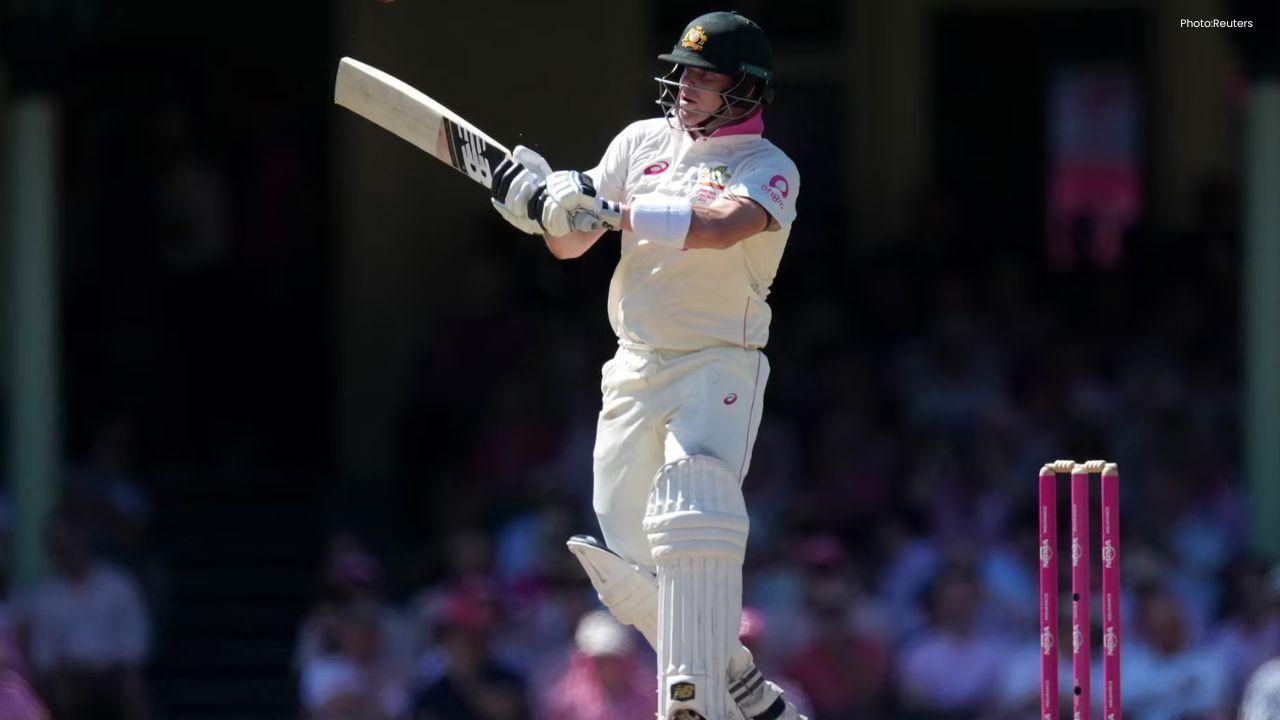
Australia 50/3 After Bangladesh Bowled Out for 64 in Second Test
Australia reached 50/3 after Bangladesh were bowled out for 64 in the second Test, with Mitchell Sta