
You have not yet added any article to your bookmarks!
Join 10k+ people to get notified about new posts, news and tips.
Do not worry we don't spam!
Post by : Rohit Dhiman
The prolonged war involving Iran and the wider Middle East is putting increasing pressure on the global aviation sector, with airlines facing higher fuel bills and growing uncertainty over future operating costs. As jet fuel prices remain around twice their pre-war levels, several carriers are becoming reluctant to enter new financial agreements designed to protect them against further price increases. Instead, airlines are preparing for a period in which managing expenses, adjusting flight capacity and raising fares may become increasingly important. The shift in strategy could affect travellers across Europe, Asia and other international markets, particularly if fuel costs remain elevated into 2027. Airlines that previously secured part of their fuel requirements at lower prices may gradually lose that protection as existing contracts expire. Companies that have not hedged much of their fuel consumption could face greater exposure to market fluctuations. The issue is not simply whether fuel becomes more expensive. Airlines must also decide whether it makes financial sense to lock in today's high prices when the direction of the conflict, oil markets and future energy supplies remains uncertain. The debate over fuel hedging has therefore become a central issue for airline executives. Some carriers are holding back from new agreements, while others continue to use hedging to protect part of their budgets.
Fuel is one of the largest operating expenses for an airline. According to the report, jet fuel generally accounts for around 30% to 40% of total airline costs. Even a significant increase in fuel prices can therefore put pressure on operating margins, especially for carriers that operate large fleets or fly long distances. Airlines use several methods to manage this risk. One is fuel hedging, a financial strategy that allows a company to protect some of its future fuel requirements against market price increases. Depending on the contract, the arrangement may involve derivatives or other financial instruments linked to fuel or oil prices. When prices rise after an airline has secured protection at a lower level, hedging can help limit the increase in its effective fuel costs. It also gives management greater certainty when preparing budgets, planning routes and setting ticket prices. However, hedging is not a guaranteed way to reduce costs. If an airline enters a contract when fuel prices are already high and prices subsequently fall, the company may be left with an expensive position compared with the prevailing market. Some arrangements may also require premiums, collateral or other financial commitments.
The conflict in the Middle East has increased uncertainty surrounding energy markets and the outlook for aviation fuel. The region's importance to global oil supplies means that developments affecting production, transportation and regional security can influence prices and market expectations. The Reuters report says jet fuel prices have reached approximately twice their levels before the war. Such an increase can significantly affect airline budgets because fuel expenses represent a substantial portion of the cost of operating each flight. The consequences extend beyond the direct cost of purchasing fuel. Airlines must prepare operating budgets months in advance, negotiate commercial agreements and decide how many flights to operate on particular routes. When energy prices become difficult to predict, these decisions become more complicated. A carrier may have to revise its assumptions about the cost of a route, reconsider the number of available seats or adjust fares to protect its financial performance. Airlines with limited cash reserves or weaker balance sheets may have fewer options for absorbing a prolonged period of higher expenses. For airlines, the immediate challenge is planning for several possible outcomes without making financial commitments that could prove costly later.
AirAsia is among the carriers taking a cautious approach to the uncertain fuel outlook. Chief executive Tony Fernandes told Reuters that the company was preparing its budget on the assumption that oil prices could remain high for the next 12 months. Fernandes also indicated that predicting how geopolitical tensions would develop had become increasingly difficult. His comments suggest that the airline is prioritising financial planning for a prolonged period of expensive fuel rather than relying on an early decline in energy prices. For a budget carrier such as AirAsia, this presents a particular challenge. Low-cost airlines generally depend on controlling expenses while offering competitive fares to attract price-conscious passengers. If fuel becomes substantially more expensive, increasing ticket prices may help recover some of the cost, but it can also make flights less attractive to customers. The company must therefore balance fuel expenses against passenger demand, operating efficiency and the need to remain competitive. Depending on market conditions, airlines may also consider changes to flight schedules, capacity and other discretionary costs. AirAsia's approach illustrates a broader problem facing airlines: financial planning becomes more difficult when the future direction of fuel prices cannot be forecast with confidence.
Read Also: Meta Launches Muse AI Agent in Singapore for Shopping and Travel
Finland-based Finnair has also adjusted its approach to fuel risk. The airline said it had stopped adding new hedges as fuel costs increased, although it continues to have protection through existing arrangements. According to the Reuters report, Finnair had an average fuel-hedging ratio of 34% for 2027. This means that its expected fuel consumption was partly covered by hedging arrangements, while the remaining portion would be more exposed to market movements. Chief financial officer Pia Aaltonen-Forsell questioned the financial attractiveness of entering new agreements when prices were already high. Her comments reflected the concern that committing to current prices could leave the airline paying more than necessary if fuel costs declined later. The decision highlights the balance between protecting against price increases and preserving the ability to benefit from lower prices. Existing hedges may provide some near-term stability, but they cannot necessarily protect an airline from every change in the market. For Finnair, the coming period will depend partly on the performance of its existing hedging arrangements and partly on the prices it must pay for fuel that is not covered by those agreements.
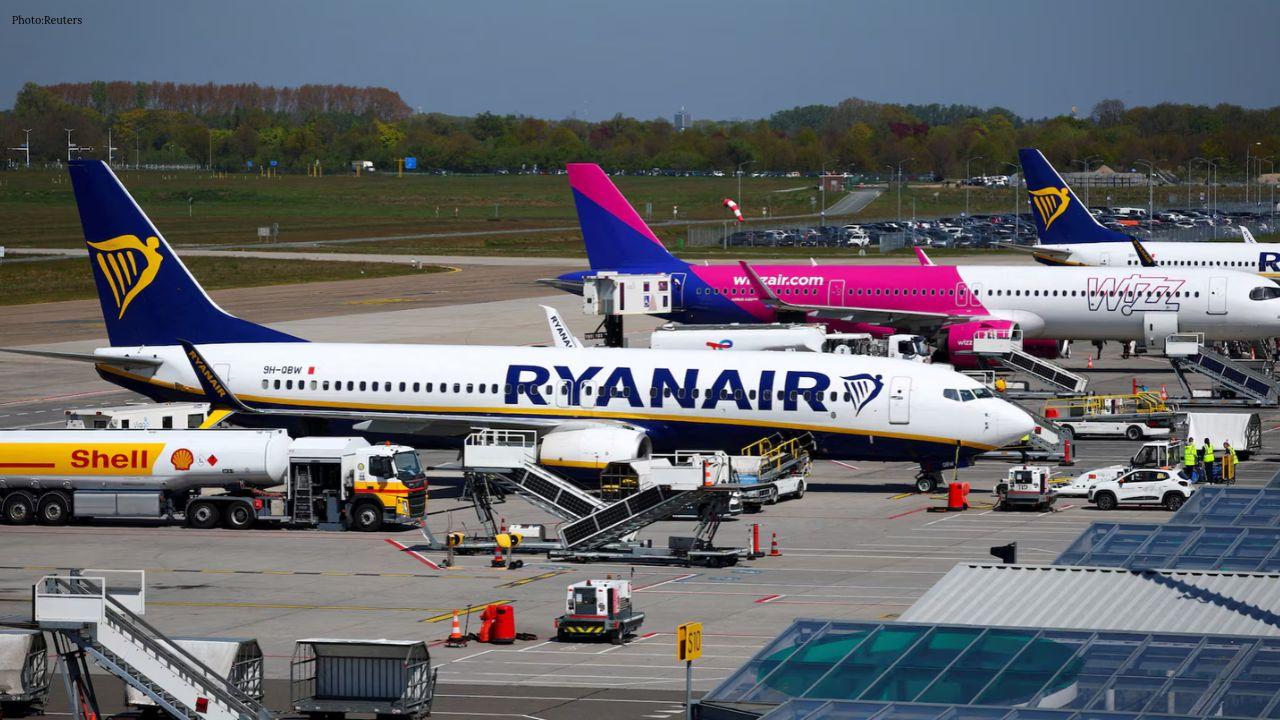
One of the strongest warnings has come from Ryanair, Europe's largest airline by passenger numbers. Chief executive Michael O'Leary has said that European carriers could see fares increase by 15% to 20% by the summer of 2027 because of their exposure to higher fuel prices. O'Leary said European airlines, including Ryanair, were not adequately hedged through the summer of 2027. His comments suggest that the expiration of older hedging agreements could leave carriers more exposed to the prices prevailing at the time. The warning is significant because Ryanair's low-cost business model relies on attracting passengers with competitive fares. A substantial increase in operating costs could put pressure on the airline's pricing strategy, particularly if customers become less willing to pay higher prices. However, the forecast should be understood as an industry warning rather than a confirmed increase across every airline or route. Actual airline ticket prices will depend on fuel expenses, passenger demand, competition, capacity and the financial decisions made by individual carriers.
Ryanair said in September that it had stopped entering new hedging agreements. The airline had nevertheless hedged approximately 80% of its jet fuel requirements for the financial year ending March 2027, according to the Reuters report. These details illustrate an important distinction: stopping new hedging does not mean a company has no existing protection. Earlier contracts can continue to cover a substantial portion of fuel consumption even after an airline decides not to add more. The level of protection may change as contracts expire and the airline purchases additional fuel at market rates. This is one reason industry executives are focusing on the outlook for the summer of 2027.
Although airlines may need higher fares to recover rising fuel expenses, customers do not always accept price increases. Norwegian Air Shuttle has highlighted this difficulty. The budget airline said it had reversed some fare increases introduced after the Iran war because customers were not willing to pay the higher prices. The development demonstrates that airlines cannot always transfer their additional operating expenses directly to passengers. Travellers may respond to more expensive tickets by changing their travel dates, selecting alternative airlines, choosing different destinations or deciding not to travel at all. This risk is especially important for low-cost carriers, which depend on offering prices that remain attractive to customers. If a fare increase reduces demand too much, the airline may struggle to recover the additional fuel cost. Companies must therefore find a balance between maintaining profitability and keeping flights affordable enough to fill available seats. Airlines can also respond by cutting costs elsewhere, changing schedules or reducing capacity on routes where operating expenses have become difficult to justify. Norwegian Air's experience suggests that the industry's pricing decisions will not be uniform. Some routes may see significant increases, while others could remain competitive because airlines are reluctant to lose passengers.
Airlines in the United States have generally been less inclined to use fuel hedging than many European and Asian carriers. Several major US airlines previously reduced or abandoned their programmes after earlier fuel-price bets resulted in costly outcomes. The Reuters report says American Airlines, United Airlines, Delta Air Lines, JetBlue and Allegiant had no material fuel hedges. Frontier had no active hedging position, while Southwest ended its long-running programme in the previous year. Alaska and Hawaiian had also closed out their remaining positions. This leaves many US airlines more directly exposed to market fuel prices. When costs increase, the effect can appear more quickly in their operating expenses, although the overall impact depends on each company's finances, route network and ability to adjust prices. US carriers have also faced pressure from higher fuel expenses in their financial outlooks. Reuters reported that Delta, United and Southwest had reduced profit targets or disappointed investors with their earnings outlooks during October as fuel costs climbed. The situation highlights the risks of operating without substantial hedging protection. However, it does not necessarily mean that returning to hedging would be the best choice for every airline. Entering agreements at high prices could create a different set of financial risks if market conditions later improve.
The increase in fuel costs is unfolding alongside changes in ticket prices across major aviation markets. According to the report, official data showed that airfares in the European Union rose by 5.8% year on year in September. In the United States, airfares were more than 20% higher than in the same month a year earlier. These figures indicate that passengers in different markets are experiencing changes in travel costs, although the reported increases should not be attributed entirely to fuel prices. Demand, seasonal travel patterns, airline capacity, route availability and other operating expenses can also affect fares. The difference between the European and US figures also shows why there is no single global pattern in ticket pricing. Each market has its own competitive environment, consumer behaviour and airline business models. Some carriers may be able to pass a larger share of their additional costs to customers, while others may face greater resistance. The effect of rising fuel prices will therefore vary by country, route and airline.
Although hedging can provide protection, it cannot eliminate all the financial risks associated with fuel-price volatility. Airlines must still manage the portion of fuel consumption that is not covered by contracts, as well as other operating expenses. Air New Zealand chief financial officer Kris Cudmore said the company's hedging programme offered some near-term protection but was far from a complete solution. His comments reflect the limitations of relying on financial agreements to manage a cost that can change sharply over time. Hedging also creates its own financial commitments. Some agreements may require airlines to provide collateral or maintain sufficient liquidity to meet contractual obligations. Carriers with weaker balance sheets may have less flexibility to take on these costs. This can leave financially vulnerable airlines more exposed to market changes, potentially increasing pressure on cash flow and their ability to meet other obligations. The aviation sector has already experienced financial distress among some operators, and a prolonged period of high fuel costs could add to the challenges facing companies that were struggling before the latest increase.
The impact of higher fuel costs is not limited to ticket prices. Airlines may also reduce the number of flights they operate on selected routes when expenses become difficult to justify. According to Reuters, Ryanair and Lufthansa cut capacity on some routes to limit the impact of fuel costs that were not covered by existing hedging arrangements. The report said both airlines had hedged more than 70% of their jet fuel requirements for the year, but still faced exposure to uncovered costs. This illustrates why a high hedging ratio does not remove every risk. An airline may protect most of its expected fuel consumption and still face higher expenses on the remaining portion. The final impact also depends on the prices secured under existing contracts and the amount of fuel actually required. Capacity reductions can help airlines control expenses, but they may also reduce seat availability on affected routes. If demand remains strong while fewer seats are offered, fares could come under additional upward pressure.








Meta Launches Muse AI Agent in Singapore for Shopping and Travel
Meta Muse AI agent launches in Singapore to help users shop, plan travel and manage emails through c

SpaceX Signs $40 Billion Apollo Deal to Finance AI Chips
SpaceX has entered a $40 billion deal with Apollo for AI chip and data centre hardware financing, su

Rybakina Retains Ningbo Title Ahead of WTA Finals Defence
Elena Rybakina beats Leylah Fernandez to retain the Ningbo Open title, building momentum ahead of he

South Africa Paceman Anrich Nortje Ruled Out of Third Test
Anrich Nortje misses the third Test against Australia with a groin injury as South Africa prepare fo

Mumbai Indians Appoint Kieron Pollard as Head Coach for 2027 IPL
Mumbai Indians appoint Kieron Pollard as head coach for IPL 2027, replacing Mahela Jayawardene as th
Marquez Takes Australian MotoGP Pole After Early Qualifying Crash
Marc Marquez claims pole at the wet Australian MotoGP after a crash, with Alex Marquez second and Jo