You have not yet added any article to your bookmarks!
Join 10k+ people to get notified about new posts, news and tips.
Do not worry we don't spam!
Post by : Saif Rahman
Israel has attracted significant international attention at the United Nations following its historic recognition of Somaliland as an independent nation. While Israel presents this move as a diplomatic breakthrough, many countries express unease about its potential implications related to Gaza, including the risk of displacing Palestinians or establishing foreign military outposts.
The matter was a focal point during discussions at the U.N. Security Council, particularly as tensions regarding Gaza persist. Critics have raised questions about the true motivations behind Israel's actions, recalling prior comments from Israeli leaders regarding the possibility of relocating Palestinians who have fled the ongoing Gaza conflict. Representatives from the Arab League cautioned that the recognition of Somaliland could facilitate forced dislocation or leverage northern Somali ports for military use.
Pakistan also voiced concerns, emphasizing that Israel’s actions are particularly distressing given previous references to Somaliland as a potential refuge for Palestinians from Gaza. Somalia and other council members united in their opposition to any endeavor aimed at relocating Palestinians from their homeland, asserting that such moves would breach international law and escalate regional turmoil.
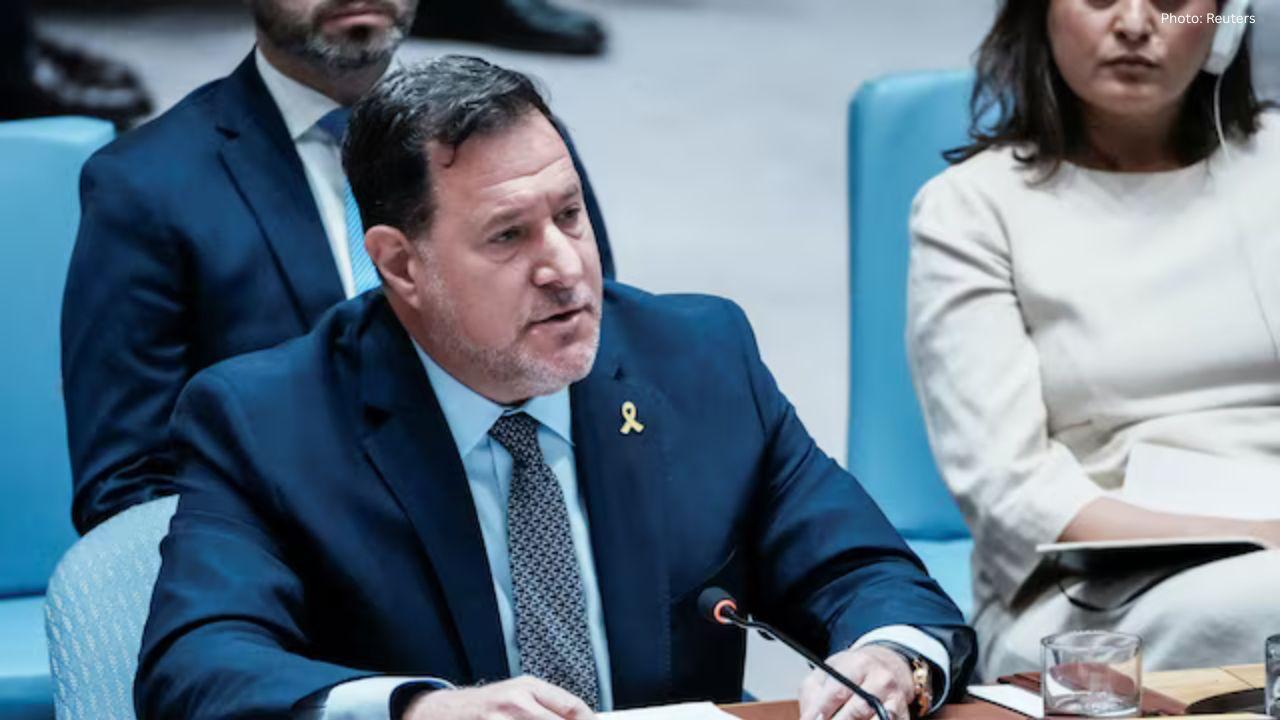
While Israel refrained from addressing these serious accusations, its deputy ambassador to the United Nations clarified that the recognition of Somaliland was not intended as a hostile gesture toward Somalia and should not hinder future dialogues. Instead, he framed this recognition as an opportunity for collaboration and development rather than confrontation.
Since declaring self-governance in 1991 amidst Somalia's civil strife, Somaliland, once a British protectorate, has maintained peace and stability. Despite its relative success, it has remained unrecognized by any country until Israel's recent decision, which has raised expectations in Somaliland that other nations may follow suit, thereby enhancing its access to global markets and diplomatic relations.
This debate underscores broader divisions within the United Nations. The United States accused the Security Council of bias, highlighting instances where Western countries recognized a Palestinian state while maintaining scrutiny over Israel. U.S. officials contended that the council tends to concentrate on Israeli actions, often neglecting other international conflicts and legal nuances.
Conversely, several nations, including Slovenia, disagreed with this perspective, arguing that Palestine is classified as occupied territory per international regulations and possesses observer status at the U.N. They pointed out that recognizing Somaliland involves an existing U.N. member state, Somalia, making it a different case entirely from the Palestinian scenario, which contradicts the U.N. Charter.
The controversy arises amidst growing criticism of Israel’s policies in Gaza and the West Bank. Several coalition members in Israel advocate for the annexation of Palestinian areas and support measures to encourage Palestinian emigration, fueling international fears surrounding forced displacement. Although U.S. President Donald Trump’s Gaza peace plan states that no one will be coerced into leaving, skepticism remains widespread among many nations.
Israel has announced plans to collaborate with Somaliland on agricultural, health, technology, and economic initiatives. Proponents believe this cooperation may usher in investment and stability for the Horn of Africa. However, detractors are concerned that the geopolitical motives linked to Gaza could overshadow these claims.
As the conversation at the United Nations continues, Israel’s endorsement of Somaliland has evolved into a pressing matter of international law, regional security, and the plight of Palestinians in Gaza. The unfolding developments may significantly impact the political landscape in both the Middle East and the delicate equilibrium of Africa in the approaching months.





PSG Coach Luis Enrique Urges Players to Step Outside Comfort Zone
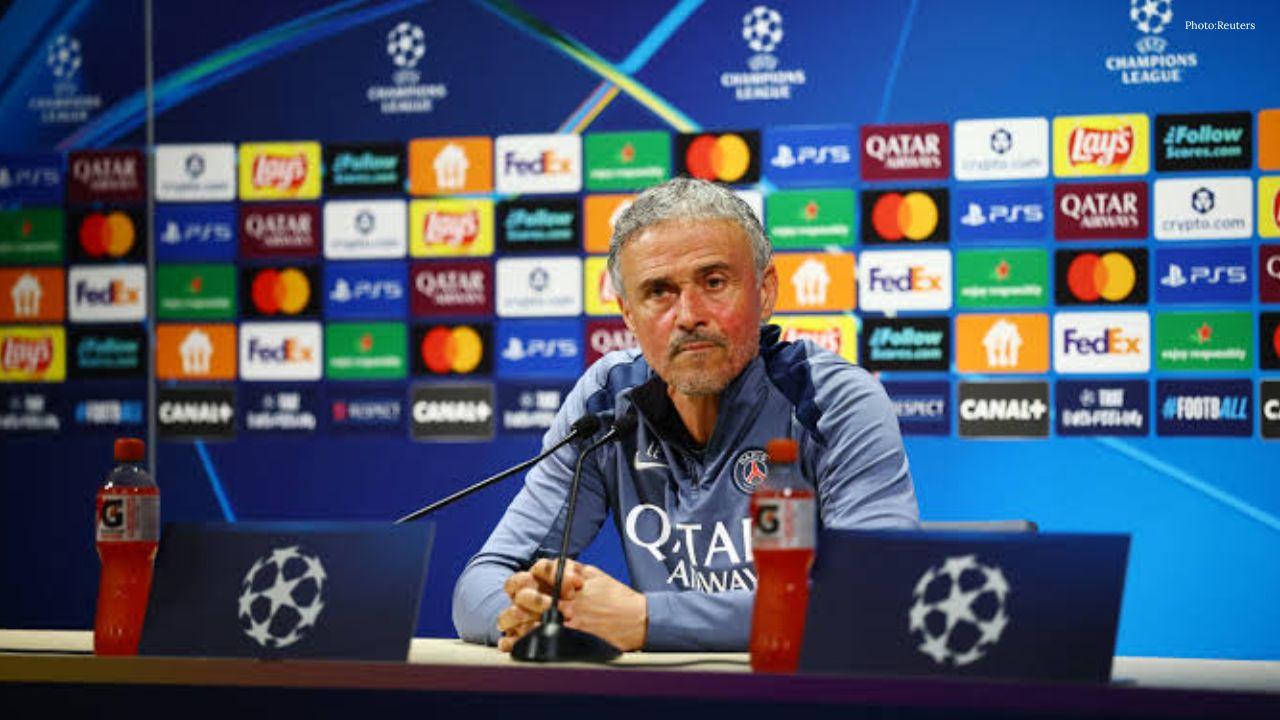
PSG coach Luis Enrique says players must leave their comfort zone and keep improving as the club tar

China’s Tiangong Sets New 400m Record at Robot Olympics
China’s Tiangong robot sets a new 400m record at the Robot Olympics, beating a South African robot i

George Russell Wins Dutch GP Sprint, Boosts Mercedes Morale
George Russell wins the Dutch GP Sprint from pole as Mercedes teammate Kimi Antonelli extends his F1

Australia 50/3 After Bangladesh Bowled Out for 64 in Second Test
Australia reached 50/3 after Bangladesh were bowled out for 64 in the second Test, with Mitchell Sta

Jordan Burroughs Returns to Wrestling with 2028 Olympic Dream
Jordan Burroughs returns to wrestling with Real American Freestyle as the Olympic champion eyes a po

Lamborghini Catches Fire on Singapore's ECP, Causing Heavy Traffic
A Lamborghini caught fire on Singapore's ECP, causing heavy traffic and bus delays. No injuries were