You have not yet added any article to your bookmarks!
Join 10k+ people to get notified about new posts, news and tips.
Do not worry we don't spam!
Post by : Badri Ariffin
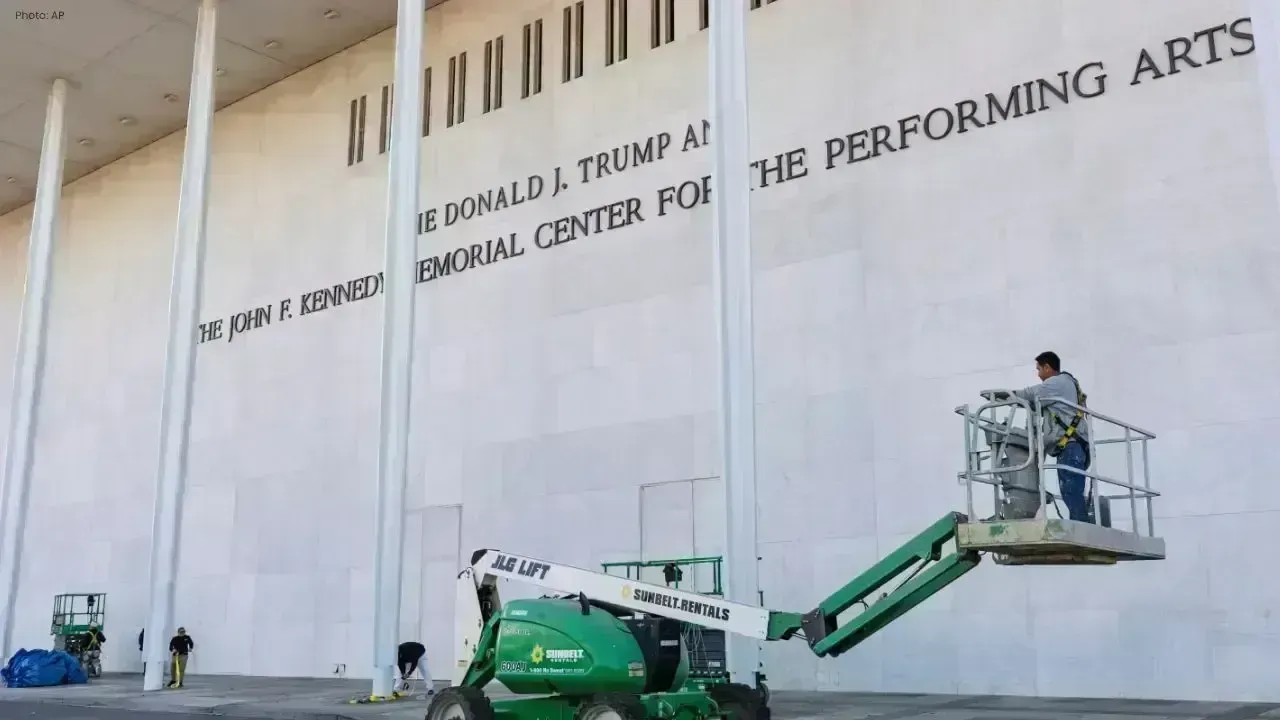
The president of the John F. Kennedy Center for the Performing Arts has issued a strong denunciation regarding the cancellation of a longstanding Christmas Eve performance by veteran jazz musician Chuck Redd, which he deems a political protest that has inflicted significant financial and reputational damage on the institution.
In an emphatic letter shared with the Associated Press, Kennedy Center President Richard Grenell stated his intent to pursue damages up to $1 million following Redd's abrupt withdrawal from the event just before it was scheduled.
Grenell accused Redd of canceling “at the last moment” in direct reaction to the recent announcement from the White House to add Donald Trump’s name to the building, a change that was disclosed earlier this month.
He remarked, “Your decision to withdraw at the last moment — explicitly in response to the Center’s recent renaming — is a clear act of intolerance and can prove very damaging to a non-profit arts institution,” describing the cancellation as a “political stunt” that disrupted a beloved holiday event impacting audiences, performers, and staff alike.
Redd has yet to respond to Grenell’s claims following the letter.
Tradition of Holiday Jazz Concludes Abruptly
Chuck Redd, an esteemed drummer and vibraphonist, has been closely tied to the Kennedy Center’s Christmas Eve “Jazz Jams” for nearly twenty years, having taken the reins of this cherished concert series in 2006 from the late bassist William “Keter” Betts.
The annual concert has evolved into a hallmark of the Kennedy Center’s holiday events, attracting sizable audiences and regularly featuring both student musicians and veteran jazz artists.
In a recent email, Redd confirmed that his decision to cancel the concert was indeed influenced by the naming controversy.
“Upon seeing the name change on the Kennedy Center’s website and shortly thereafter on the building, I made the difficult decision to cancel our concert,” Redd articulated. He acknowledged the emotional toll of this decision, reflecting on the event’s significance for both attendees and budding musicians.
“It was truly heartbreaking to have to cancel,” he added.
Questions Arise Over Renaming Legality and History
Established by Congress as a living tribute to John F. Kennedy, who was assassinated in 1963, the Kennedy Center’s renaming raises pressing legal issues. Federal legislation from the following year mandates strict conditions regarding how the institution can represent itself.
Experts in law and history have expressed concern that the addition of another name could contravene this statute, which explicitly prohibits the board of trustees from transforming the center into a memorial for anyone else or attaching another individual’s name to the structure.
Despite these alarms, the White House affirms that a board selected by Trump approved this change. Grenell, a close Trump ally, was appointed as the Kennedy Center's president following a reorganization of its leadership.
Critics argue that only Congress holds the right to approve such modifications.
Historical Figures and Family Express Discontent
The decision has been met with vocal opposition from members of the Kennedy family and distinguished historians.
Kerry Kennedy, a niece of President Kennedy, has pledged to work towards removing Trump’s name from the building following his departure from office, asserting that the renaming compromises the center’s mission as a nonpartisan national memorial.
Former House historian Ray Smock has also pointed out that any shift in the Kennedy Center’s name or memorial designation would necessitate explicit congressional sanction.
Scholars contend that permitting political figures to affiliate their names with national cultural institutions may create a precarious precedent, potentially leading to future conflicts.
A Cultural Institution at the Center of Political Discourse
This dispute emphasizes the escalating tensions surrounding one of the nation’s most significant arts venues, as decisions rooted in politics increasingly encroach on cultural domains traditionally regarded as neutral.
For the Kennedy Center, the withdrawal of a cherished holiday concert paired with the impending liability claims illustrates the financial and symbolic stakes entwined in this controversy. For artists like Redd, the incident prompts broader inquiries into artistic freedom and the role of protest in society.
As discussions persist, this confrontation has positioned the Kennedy Center at the epicenter of a national dialogue regarding legal matters, legacy, and the influence of politics on American cultural institutions.
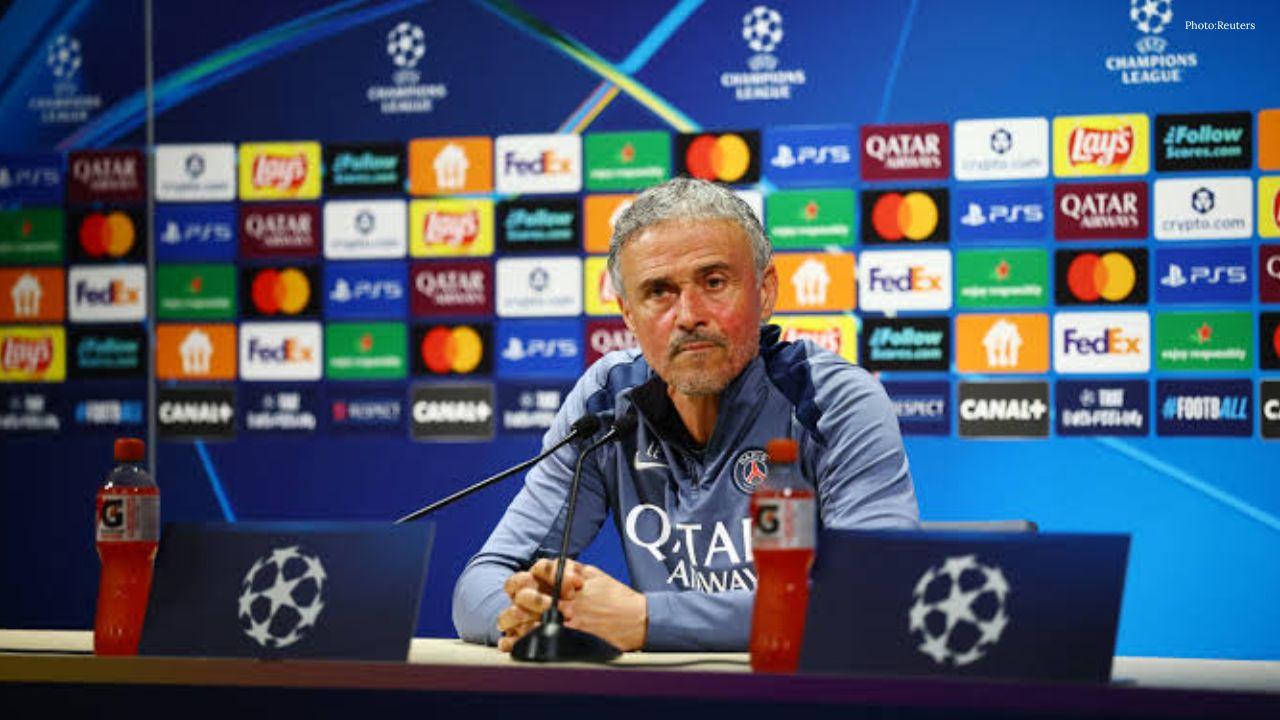




PSG Coach Luis Enrique Urges Players to Step Outside Comfort Zone
PSG coach Luis Enrique says players must leave their comfort zone and keep improving as the club tar

China’s Tiangong Sets New 400m Record at Robot Olympics
China’s Tiangong robot sets a new 400m record at the Robot Olympics, beating a South African robot i

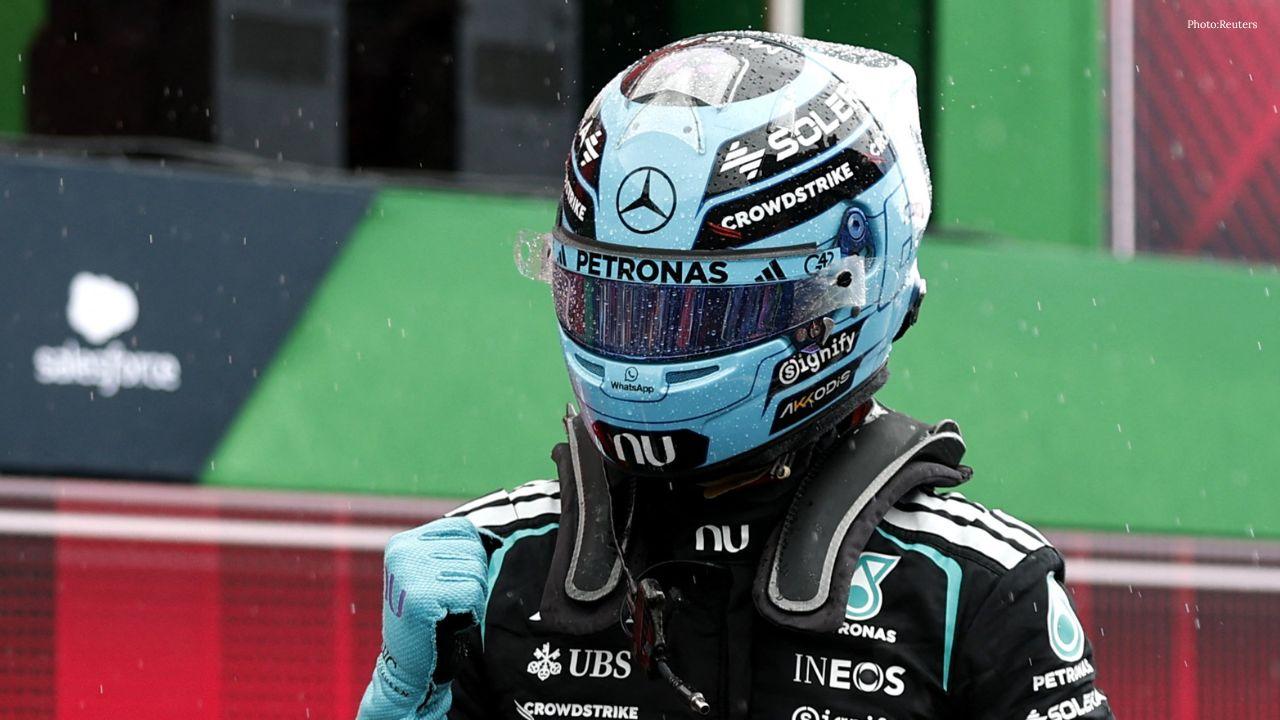
George Russell Wins Dutch GP Sprint, Boosts Mercedes Morale
George Russell wins the Dutch GP Sprint from pole as Mercedes teammate Kimi Antonelli extends his F1
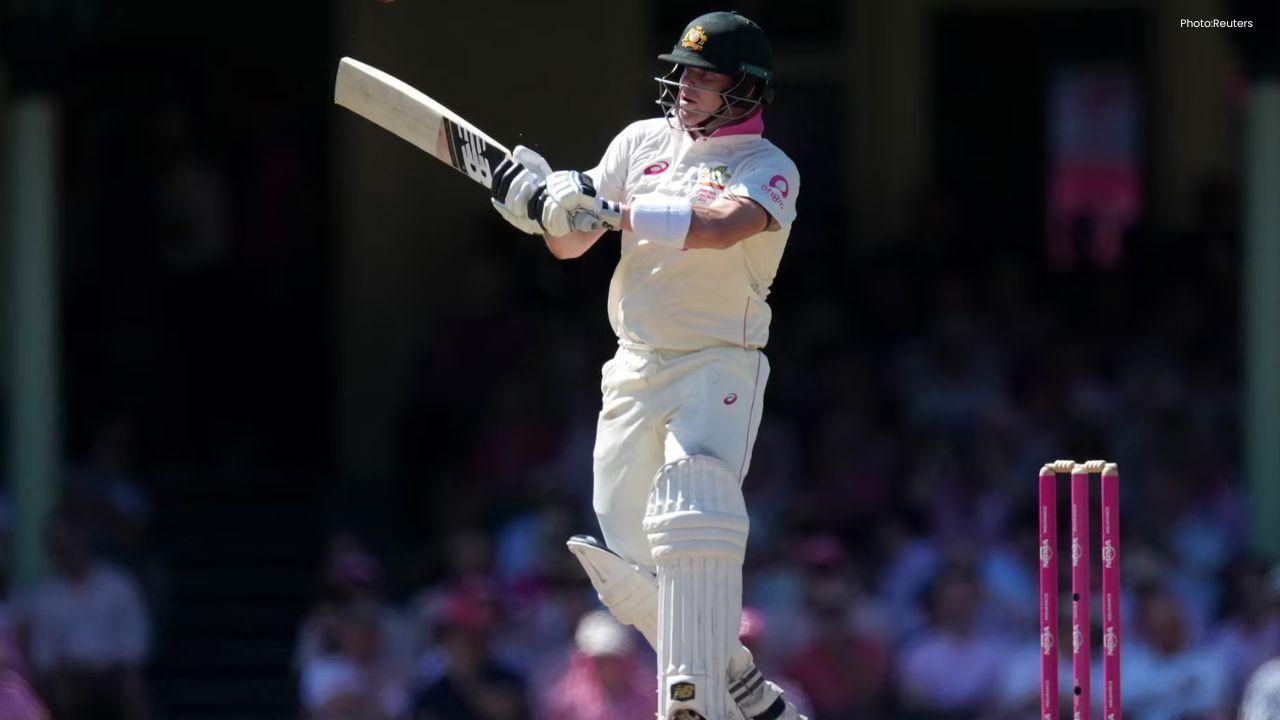
Australia 50/3 After Bangladesh Bowled Out for 64 in Second Test
Australia reached 50/3 after Bangladesh were bowled out for 64 in the second Test, with Mitchell Sta
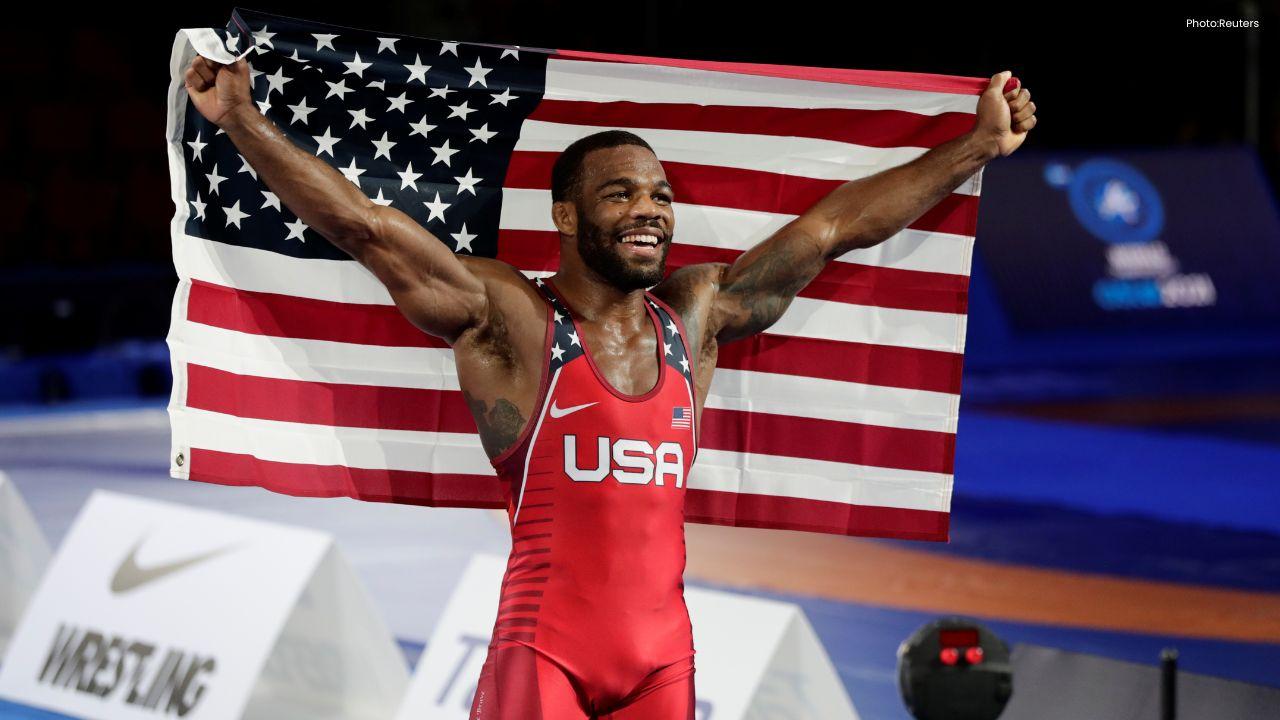
Jordan Burroughs Returns to Wrestling with 2028 Olympic Dream
Jordan Burroughs returns to wrestling with Real American Freestyle as the Olympic champion eyes a po
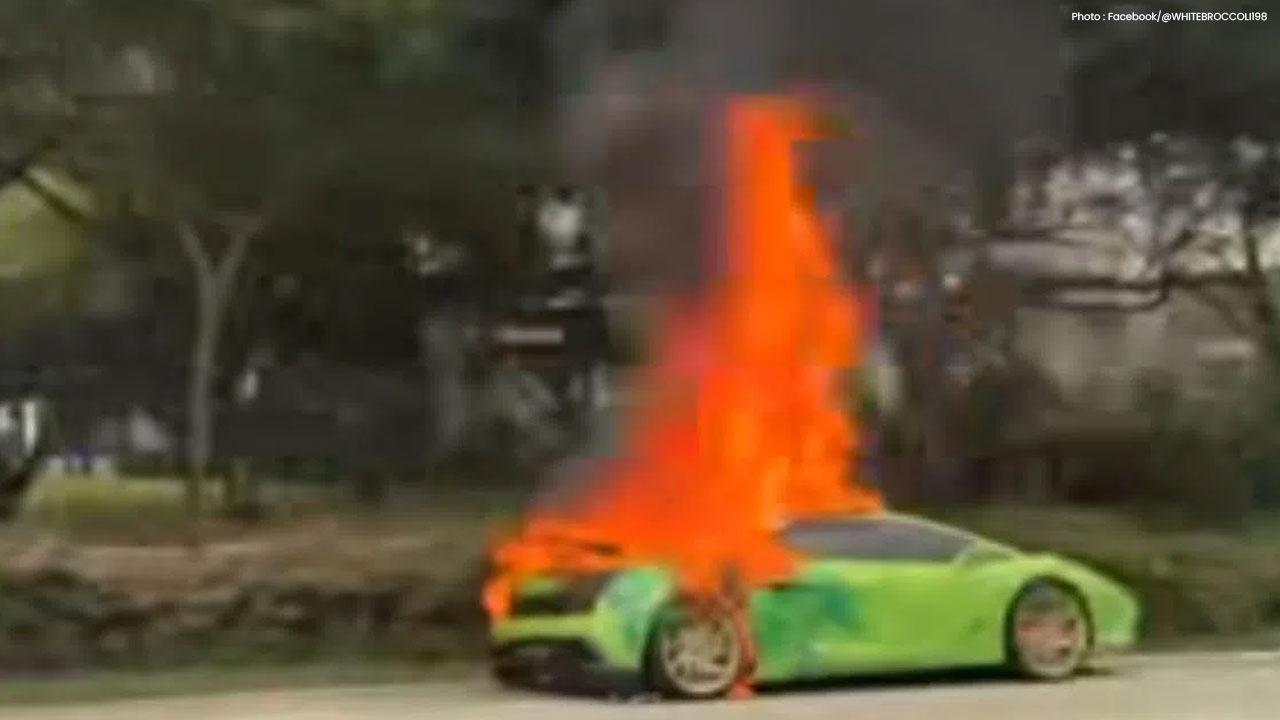
Lamborghini Catches Fire on Singapore's ECP, Causing Heavy Traffic
A Lamborghini caught fire on Singapore's ECP, causing heavy traffic and bus delays. No injuries were