
You have not yet added any article to your bookmarks!
Join 10k+ people to get notified about new posts, news and tips.
Do not worry we don't spam!
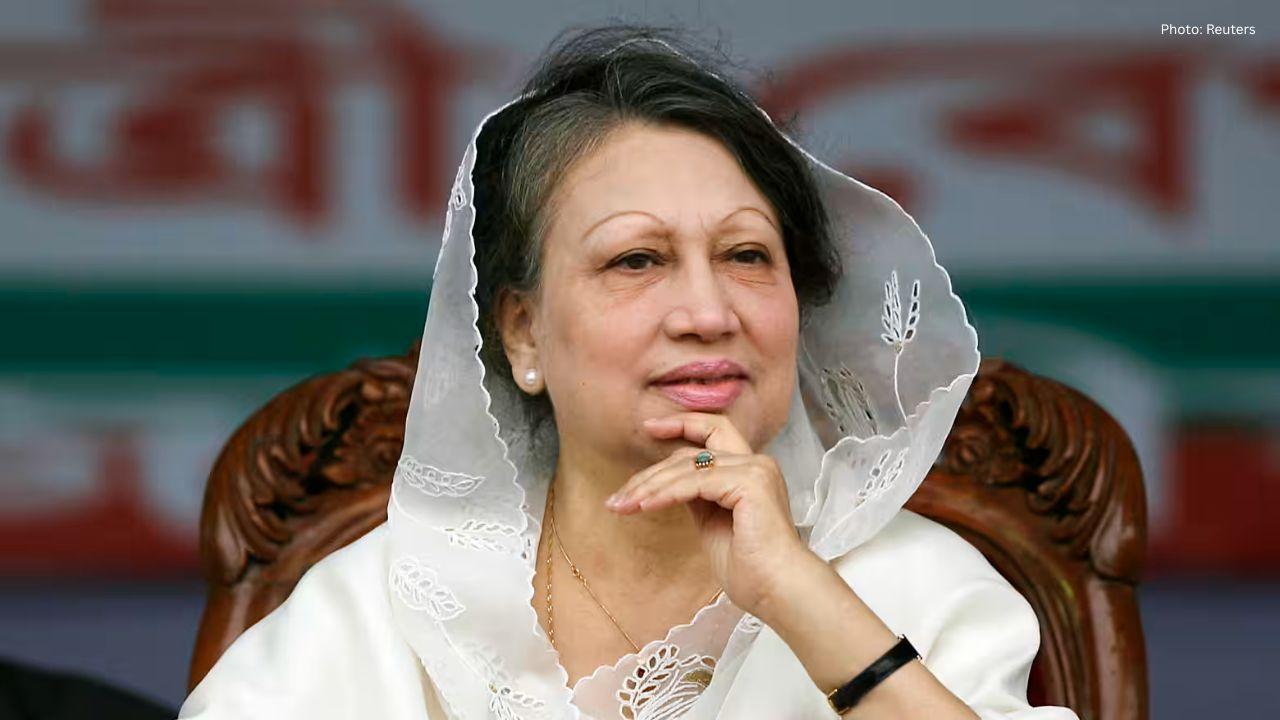
Post by : Saif Rahman
Khaleda Zia, a pivotal figure in Bangladesh's political landscape and its first female prime minister, passed away on Tuesday at the age of 80 after facing a long-term health battle. Her party, the Bangladesh Nationalist Party (BNP), announced her death, highlighting her struggles with multiple health issues including liver disease, diabetes, arthritis, and heart complications.
Earlier in 2025, she sought treatment in London, remaining there for several months before returning to her homeland. Zia had not held an official position since 2006, yet she continued to influence national politics significantly and retained unwavering support from her followers.
Her entry into politics was marked by personal loss; she transitioned from family life to public service after the assassination of her husband, President Ziaur Rahman, during a military coup in 1981. Three years later, she ascended to leadership of the BNP, the party founded by her husband, committing to his vision of economic progress for Bangladesh.
In the late 1980s, she collaborated with Sheikh Hasina, the Awami League leader, to challenge military dictator Hossain Mohammad Ershad. Their alliance played a crucial role in reinstating democracy in 1990, but soon devolved into a fierce rivalry that dominated the political narrative of Bangladesh for over 30 years, earning them the nickname "the battling Begums."
The BNP triumphed in the 1991 election, marking Bangladesh’s first genuinely free electoral process, and Zia became its first female prime minister. During her inaugural term, she revitalized the parliamentary system, curtailed presidential powers, liberalized the economy for foreign investments, and enacted compulsory free primary education.
Though she faced defeat in the 1996 elections, she won again in 2001, although her second term was overshadowed by the emergence of extremist groups and serious corruption allegations. A violent grenade attack during a political rally in 2004 escalated political hostilities, leaving significant impacts on the nation.
Political turbulence culminated in an army-backed interim government in 2006, leading to the arrest of both Zia and Sheikh Hasina on corruption allegations, where they spent a year in custody. Although they were eventually released, Zia never regained political authority, and her party boycotted multiple elections, while she dealt with a series of legal challenges, resulting in her incarceration or house arrest for many years.
In 2018, she was convicted of corruption connected to an orphanage trust, a sentence she deemed politically motivated. As her health deteriorated, she was placed under house arrest in 2020, finally getting released in August 2024 following protests leading to Hasina's removal. The Supreme Court cleared her and her son, Tarique Rahman, of corruption charges in early 2025.
Zia's influence remained substantial in her later years. The BNP continues to be a major political entity, and her son is now positioned as its acting chairman, viewed as a key player for the forthcoming parliamentary elections. Her passing is particularly poignant as the nation is currently governed by an interim administration led by Nobel laureate Muhammad Yunus.
Khaleda Zia's legacy is complex and powerful. To her advocates, she represented steadfast leadership and democratic ideals. Critics, however, associate her with a politically polarized era rife with turmoil. Regardless, her impact on Bangladesh’s political history and her role in elevating women to positions of leadership is undeniable.





APEC Members Emphasise Safe and Responsible Use of Artificial Intelligence
APEC members discuss responsible AI use, digital innovation and data governance as China and the US

Union of European Clubs Challenge UEFA and EFC Over EU Competition Rules
UEC files an EU competition complaint against UEFA and EFC, challenging club representation, governa

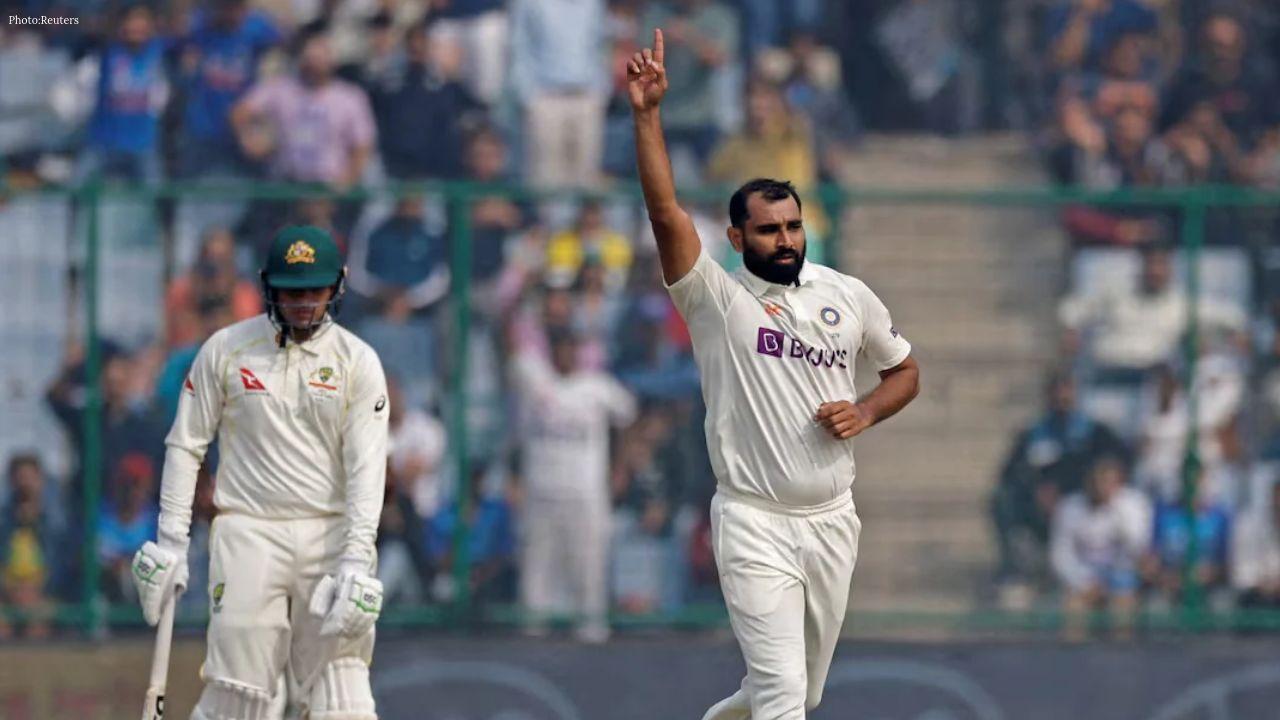
Mohammed Shami Retires From Test Cricket, Eyes White-Ball Career
Mohammed Shami retires from Test cricket after 13 years, with 229 wickets. He will continue playing

Singapore Warns Users About Privacy and Security Risks of AI Agents
Singapore warns users about AI agent security risks, data privacy, online scams and unauthorised acc
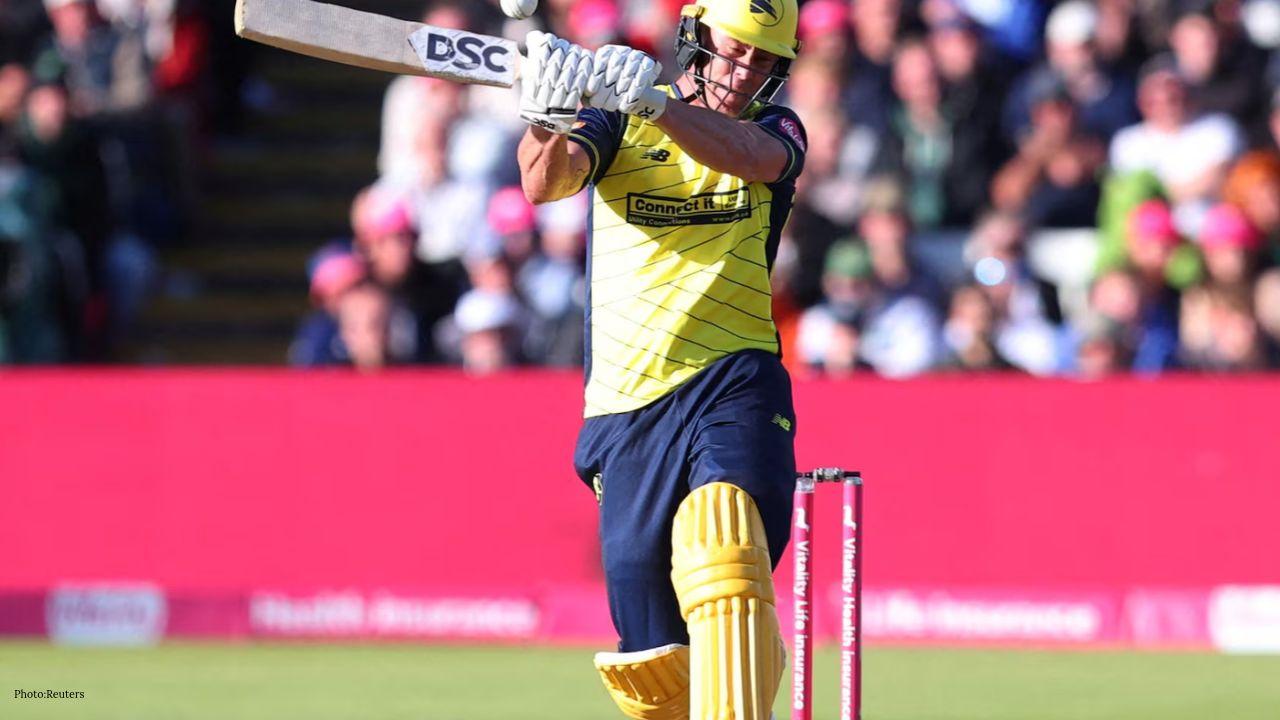
Chris Lynn Completes One-Month Ban After Positive Cocaine Test
Australian cricketer Chris Lynn completes a one-month ban after a positive cocaine test during the T
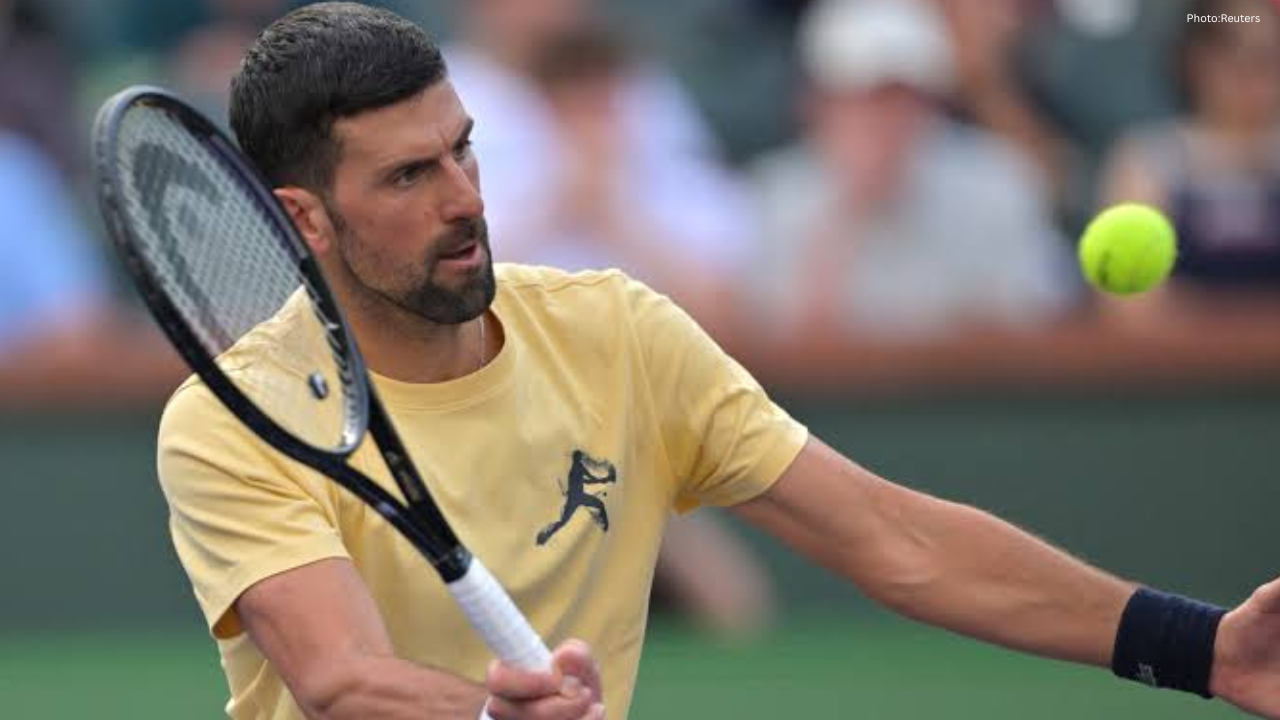
Djokovic Eyes Strong Season Finish as Health Improves Ahead of Paris Masters
Novak Djokovic reports improved health and performance as he targets a strong Paris Masters finish a