
You have not yet added any article to your bookmarks!
Join 10k+ people to get notified about new posts, news and tips.
Do not worry we don't spam!
Post by : Saif Rahman
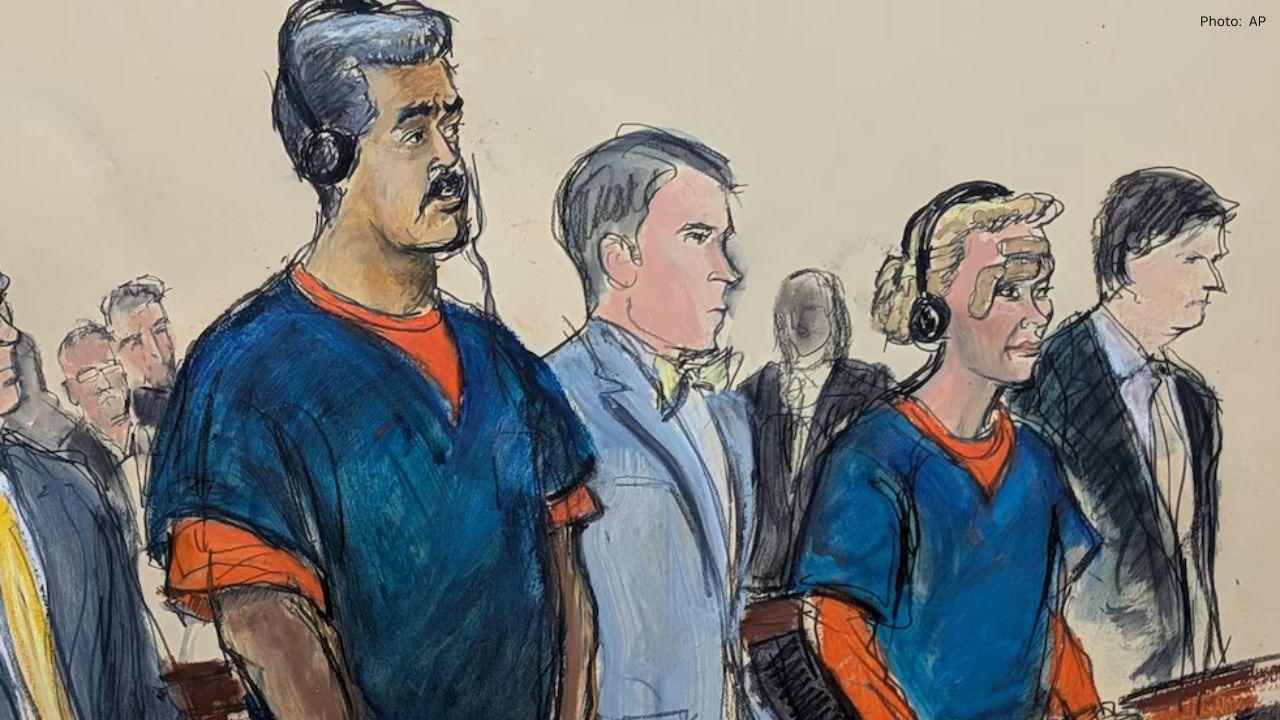
The arrest of Nicolás Maduro, Venezuela's former president, by U.S. authorities has ignited significant debates among international leaders, legal analysts, and global organizations. There are fears that this move could undermine the international legal framework established post-20th century conflicts designed to maintain order and peace.
Following the devastation of two world wars, nations united to create international guidelines under the auspices of the United Nations. These laws aimed to safeguard national boundaries, curb the misuse of military force, and encourage peaceful conflict resolution. Presently, these principles are under pressure as powerful states engage in actions perceived as violations of these shared agreements.
Maduro was detained by U.S. forces and brought to New York, where he is facing serious allegations of drug trafficking and narco-terrorism. The U.S. maintains that the operation was legally justified and essential, with officials asserting that Venezuelan criminal factions pose a substantial risk and that the country has evolved into a hub for illicit activities detrimental to global safety.
During Donald Trump's presidency, his administration identified drug-trafficking organizations linked to Venezuela as unlawful combatants. This characterization allowed the U.S. to frame its actions as part of an armed conflict, providing a legal basis for the military-style operation that led to the capture of Maduro and his spouse, Cilia Flores.
The response from the United Nations has been measured and grave. Senior U.N. official Rosemary DiCarlo addressed the Security Council, emphasizing that global stability hinges on adherence to the U.N. Charter. She cautioned that non-compliance with these principles could heighten volatility, not just in Venezuela, but globally.
A number of nations are concerned that such actions could set a precarious precedent. If one country can forcibly oust another's leader, it might embolden others to do the same, undermining respect for national sovereignty and potentially escalating conflict.
Proponents of the U.S. operation argue that Maduro's removal was essential to combat criminal enterprises and uphold justice. Conversely, detractors maintain that even grave allegations do not justify contravening international law, worrying about the reemergence of a reality where might dictates morality instead of established norms.
This discourse transcends the Venezuelan context, posing a critical inquiry into the future of global governance. Will states maintain their commitment to international law, or will military strength overshadow diplomacy and collaboration?
As Maduro’s legal proceedings unfold, global observers are closely attuned. The verdict will not only influence Venezuela’s trajectory but could also dictate future international interactions in conflict scenarios. This situation underscores the fact that global harmony relies on mutual trust in collective agreements — a trust that, once eroded, is difficult to restore.









PM Modi Pays Tribute to Mahatma Gandhi, Urges People to Support Khadi
PM Modi pays tribute to Mahatma Gandhi on Gandhi Jayanti and urges citizens to support Khadi and the

Amazon Seeks to Offload $8 Billion in Nvidia Chips to Investors
Amazon plans to move $8 billion in Nvidia chips to investors, using a new financing model to strengt

Samsung Raises Galaxy S26 Prices as Memory Chip Costs Rise
Samsung raises Galaxy S26 prices in South Korea as rising memory chip costs put pressure on smartpho

Lewis Hamilton Calls Singapore Grand Prix One of F1's Toughest Races
Lewis Hamilton discusses the demanding Singapore Grand Prix and brings Plus44 and Almave to Singapor

Denmark's Pandora Opens World's Largest Jewellery Factory in Vietnam
Pandora opens its largest jewellery factory in Vietnam, expanding global production, strengthening s

Gautam Gambhir Questions Batting-Friendly Pitches After India's Record ODI Chase
Gautam Gambhir questions batting-friendly ODI pitches after India’s record chase, calling for a bett

