
You have not yet added any article to your bookmarks!
Join 10k+ people to get notified about new posts, news and tips.
Do not worry we don't spam!
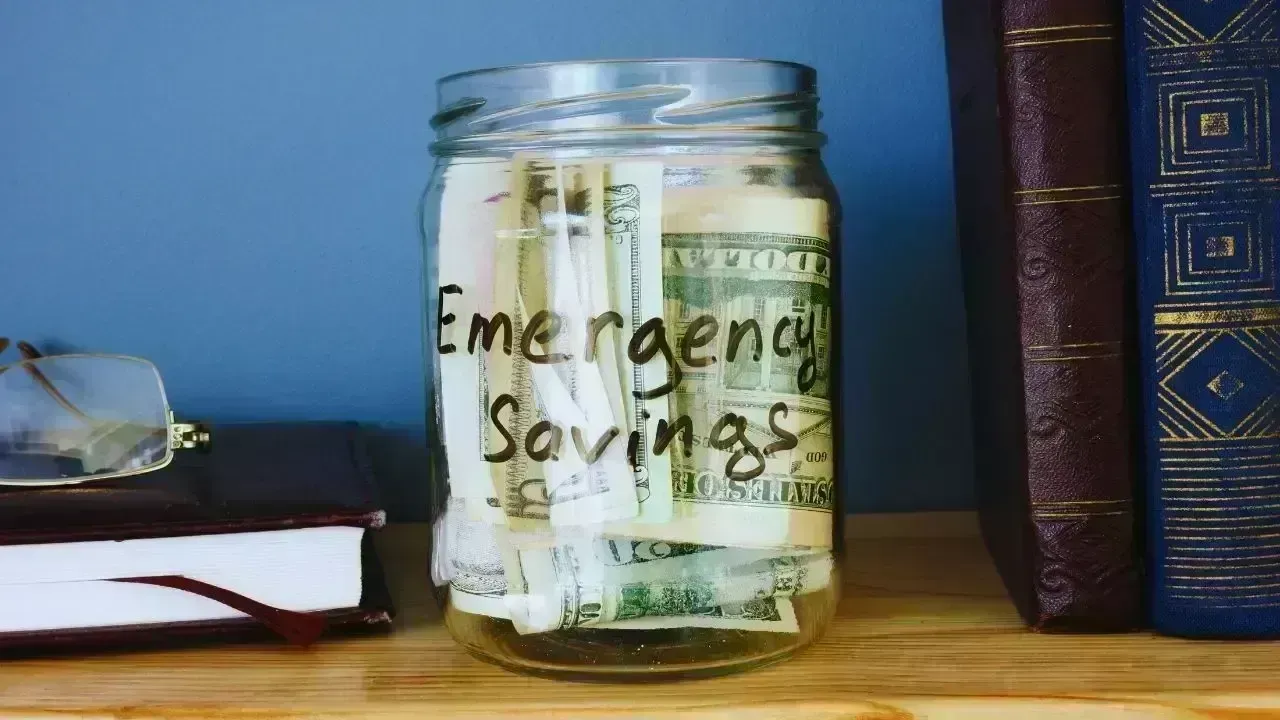
Post by : Anis Farhan
In times of financial strain, the idea of saving may seem unrealistic. With pressing expenses like rent, groceries, and bills, immediate needs take precedence.
However, ignoring savings can lead to bigger issues.
Unforeseen events such as job loss or medical emergencies can arise; without savings, any setback can escalate into a major crisis.
An emergency fund isn’t about wealth.
It's about security.
And having that security allows you to build a future.
An emergency fund isn’t designed for rapid growth but should be:
Easily accessible
Secure
Liquid
Low-stress
Forget complex financial products; prioritize dependability.
It shields you from:
Debt accumulation
High-interest loans
Borrowing from loved ones
Selling assets under pressure
Neglecting necessary care
Without savings, the cost of survival increases.
Skip ambitious goals such as saving six months' salary; they can be discouraging.
Start with:
One month of essential expenses
And then aim for:
Three months
Eventually reaching:
Six months
For instance, with ₹20,000 in monthly expenses, your initial target is ₹20,000.
A twelve-month timeline is manageable; you’ll avoid:
Burnout
Feeling restricted
Quitting early
Fretting over results
Each small, steady habit compounds.
Saving ₹1,500 monthly totals ₹18,000 in a year; ₹2,000 amounts to ₹24,000; and ₹3,000 sums to ₹36,000.
The cumulative effect is often more remarkable than anticipated.
Draft a list of:
Housing
Groceries
Transportation
Utilities
Telecommunication
Healthcare
Education expenses
This outlines your essential survival costs.
Next, record:
Online purchases
Dining out
Subscriptions
Impulsive buys
Weekend festivities
The goal is not to eliminate enjoyment but to redirect unnecessary spending.
Savings falter when they feel burdensome.
Focus on easy reductions:
Terminate unused subscriptions
Limit takeaway meals
Choose budget alternatives
Utilize deals during the week
Leverage public transportation
Savings shouldn't be a source of stress.
One common mistake is waiting until the end of the month to save.
Instead, take the first part of your income:
Deposit your emergency fund first
Use the remaining balance for other expenses
This shifts your financial perspective.
Examples include:
Cashback
Rebates
Bonuses
Direct these funds immediately into your savings and avoid inflating your lifestyle.
Should saving seem daunting:
Lower the target if necessary.
A realistic target fosters confidence and commitment.
₹500 → ₹6,000 yearly
₹1,000 → ₹12,000
₹2,000 → ₹24,000
Even meager savings help you face unexpected costs like:
Medical expenses
Minor repairs
Sudden travel
Your safety doesn’t require luxury.
Your emergency fund should:
Not be intertwined with your daily finances
Be in a less accessible account
Out of sight often means out of mind.
Identify true emergencies such as:
Health issues
Job terminations
Disallow frivolous expenses like:
Sales
Vacation costs
Only access your fund for genuine needs.
Consider creating:
A primary emergency fund
A smaller buffer for minor expenses
This will help with:
Medical purchases
Unexpected travel
Treat your main fund like a crucial asset.
When your salary remains unchanged, adjust your actions instead.
Some methods to enhance savings include:
Freelancing
Weekend jobs
Your spare time can fund your peace of mind.
Implement:
Automated savings from paychecks
Scheduled transfers on payday
Automation takes the struggle out of saving.
Knowing you have monetary protection leads to:
Better sleep
Improved job decisions
While money isn’t happiness, it alleviates stress.
Once established:
You’ll face challenges without dread, and decisions without fear.
No savings journey is flawless. Missing one month doesn’t mean it’s over.
Each month is a fresh opportunity to prioritize savings.
Often, lifestyle inflation negates income increases.
Low income heightens the significance of savings.
Any savings provide a buffer.
The pain of saving:
Is mild and temporary
The pain of no savings:
Can be severe and last long
Make the best choice for your future.
With savings, you are empowered to:
Leave unsatisfactory jobs
Turn down unworthy opportunities
Without savings, you risk stagnation.
Always build your emergency fund before you make investments.
After twelve months, consider:
Increasing your saved amount
Exploring investment options
The first year safeguards you; subsequent years foster growth.
Month 1–3: Create a buffer of ₹5,000–₹10,000
Month 4–8: Ensure consistent contributions
Month 9–12: Accelerate progress towards your goal
Month 12: Celebrate your achievements
Your emergency fund prepares you for the unexpected.
It’s about discipline and creating habits.
In a year, you can feel:
More secure
Less stressed
You’re just one action away from a stable future.
This article serves educational purposes and does not constitute professional financial advice. Always consult with a qualified professional before making financial decisions.







Jacob Bethell Returns as England Name Squads for Australia Tour
England name ODI and T20 squads for the Australia tour, with Jacob Bethell returning from injury and

Beauden Barrett Opens Up About Mental Struggles During All Blacks Exile
Beauden Barrett discusses his confidence struggles after missing six tests, his return against Austr

IMF Says AI Investment Supports Global Growth Despite Energy Shock
IMF says AI investment is supporting global growth near 3%, with Asian economies benefiting from ris

Will O'Rourke Ruled Out of New Zealand's India Series
New Zealand fast bowler Will O'Rourke will miss the India series with hamstring and calf injuries as

AI Companies Expected to Drive Most US Earnings Growth in Q3
AI companies are expected to drive US third-quarter earnings growth as investors assess tech profits

Money Market Funds See Record Inflows as Global Bond Selloff Intensifies
Global money market funds attract $153.81 billion as bond yields rise, inflation fears persist and i

