You have not yet added any article to your bookmarks!
Join 10k+ people to get notified about new posts, news and tips.
Do not worry we don't spam!
Post by : Samjeet Ariff
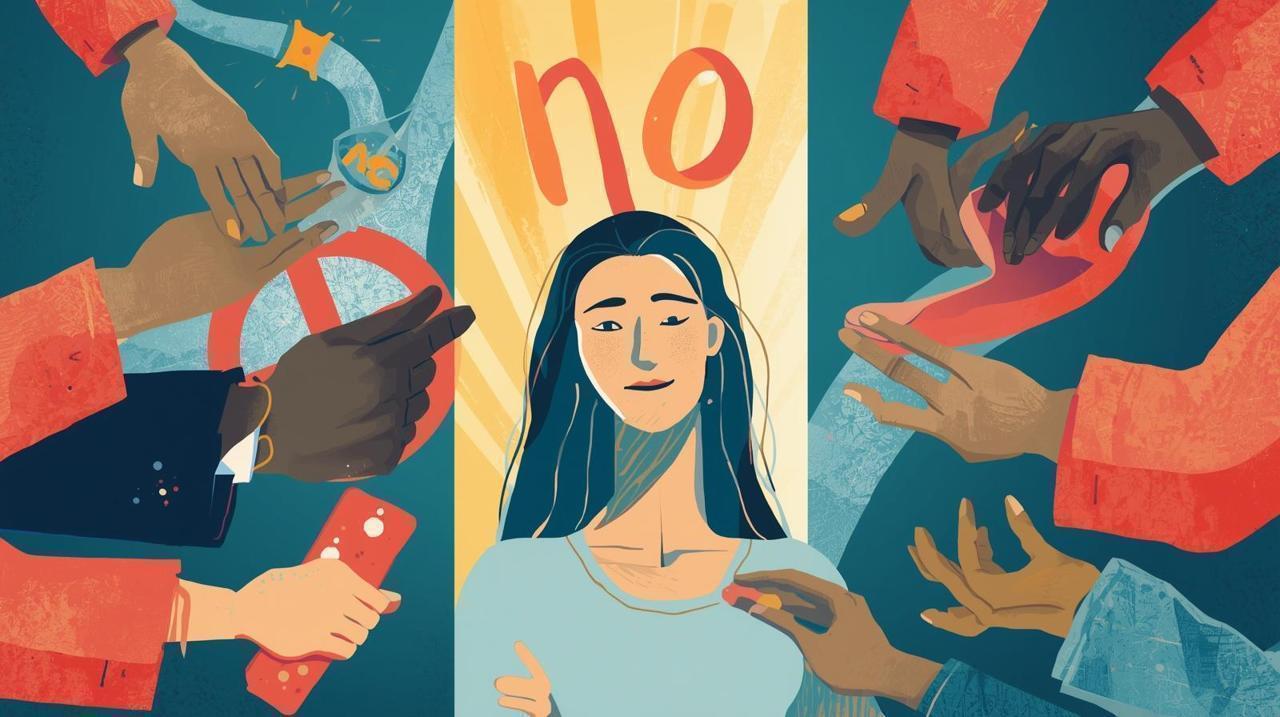
In our relentless, fast-paced society, there's a compelling pressure to acquiesce to every demand—extra duties, social obligations, familial expectations, and tasks that deplete energy and time. While agreeing to requests may seem convenient, it often culminates in exhaustion, frustration, and a sense of losing control. Consequently, 'no' emerges as a key survival skill of our era. It safeguards mental well-being, reinforces personal boundaries, and fosters self-respect while opening avenues for what truly matters. This article delves into the importance of saying no today, strategies for doing it assertively, and the transformative effects it can have on your life.
Many individuals were raised with the belief that agreeing to everything enhances likability and success. However, constant affirmation carries significant hidden repercussions.
You take on obligations that don't resonate with your interests.
Your agenda is oversaturated with items that don’t align with your objectives.
Errors proliferate because your workload exceeds your capacity.
Saying 'yes' to all frequently translates to saying 'no' to your own needs—your rest, health, and priorities.
Saying no does not equate to rejection; it is an act of self-care. Experts highlight that establishing boundaries is vital for emotional health and nurturing relationships.
Decreases anxiety and stress.
Enhances self-belief and confidence.
Energizes mental clarity and sound decision-making.
Creates more room for meaningful pursuits.
By saying 'no,' you affirm the worth of your time, energy, and mental well-being.
Many top performers vigilantly guard their schedules. They recognize that perpetual unavailability undermines concentration and leads to superficial work.
You concentrate on tasks that truly advance you.
You bypass distractions masquerading as opportunities.
You unleash mental capacity for more profound, strategic tasks.
Saying no morphs into a framework for productivity—not merely a reaction.
Burnout now looms large as a major concern for professionals globally, largely fueled by overcommitting and an inability to create boundaries.
You minimize emotional strain.
You evade people-pleasing behaviors.
You avert fatigue and resentment.
You safeguard your personal space and downtime.
Establishing limits isn’t selfish—it’s essential.
Contrary to common belief, saying no doesn’t damage relationships; rather, it enriches them.
They appreciate honesty.
They prefer transparency over forced submission.
They develop greater trust as a result of open communication.
Healthy relationships thrive on truth rather than overextension.
Despite the advantages of saying no, many face guilt, fear of conflict, disappointment of others, or worry about missed opportunities.
You fear judgment.
You feel obligated to contribute to others' happiness.
You dread missing out on important occasions.
Recognizing these patterns is the crucial first step in overcoming them.
Mastering the skill of saying no becomes increasingly manageable with practice.
Communicate with brief, clear statements instead of lengthy justifications.
Propose alternatives only when genuinely interested.
Utilize time buffers: “Let me think it over and I’ll get back to you.”
Remain courteous yet resolute; refrain from excessive apologizing.
These methods facilitate healthy boundaries without damaging relationships.
Embracing the ability to decline unneeded commitments can lead to remarkable life changes.
Increased availability for personal development.
Enhanced work-life harmony.
Improved relationship quality.
Greater career fulfillment by focusing energy effectively.
You begin to align daily actions with overarching goals.
Every instance of saying no to draining commitments translates to a yes for your well-being.
Your choices become deliberate.
Your energy is safeguarded.
Your aspirations receive the focus they deserve.
This transition lays the groundwork for a healthier, happier existence.
Saying no transcends mere refusal of duties; it embodies prioritizing your values, safeguarding your mental health, and reclaiming autonomy. In a society that demands ceaseless availability, cultivating the skill of declining requests becomes essential for sustained success and well-being. This powerful tool not only serves as a boundary, but also a means of self-respect everyone should cultivate.
This article serves informational purposes only and is not a substitute for professional psychological, wellness, or mental health guidance. Individual situations vary, and readers should consider seeking advice from qualified professionals before implementing boundary-setting strategies. The author holds no responsibility for any outcomes resulting from the application of this information.










Jacob Bethell Returns as England Name Squads for Australia Tour
England name ODI and T20 squads for the Australia tour, with Jacob Bethell returning from injury and

Beauden Barrett Opens Up About Mental Struggles During All Blacks Exile
Beauden Barrett discusses his confidence struggles after missing six tests, his return against Austr

IMF Says AI Investment Supports Global Growth Despite Energy Shock
IMF says AI investment is supporting global growth near 3%, with Asian economies benefiting from ris

Will O'Rourke Ruled Out of New Zealand's India Series
New Zealand fast bowler Will O'Rourke will miss the India series with hamstring and calf injuries as

AI Companies Expected to Drive Most US Earnings Growth in Q3
AI companies are expected to drive US third-quarter earnings growth as investors assess tech profits

Money Market Funds See Record Inflows as Global Bond Selloff Intensifies
Global money market funds attract $153.81 billion as bond yields rise, inflation fears persist and i