
You have not yet added any article to your bookmarks!
Join 10k+ people to get notified about new posts, news and tips.
Do not worry we don't spam!
Post by : Samjeet Ariff
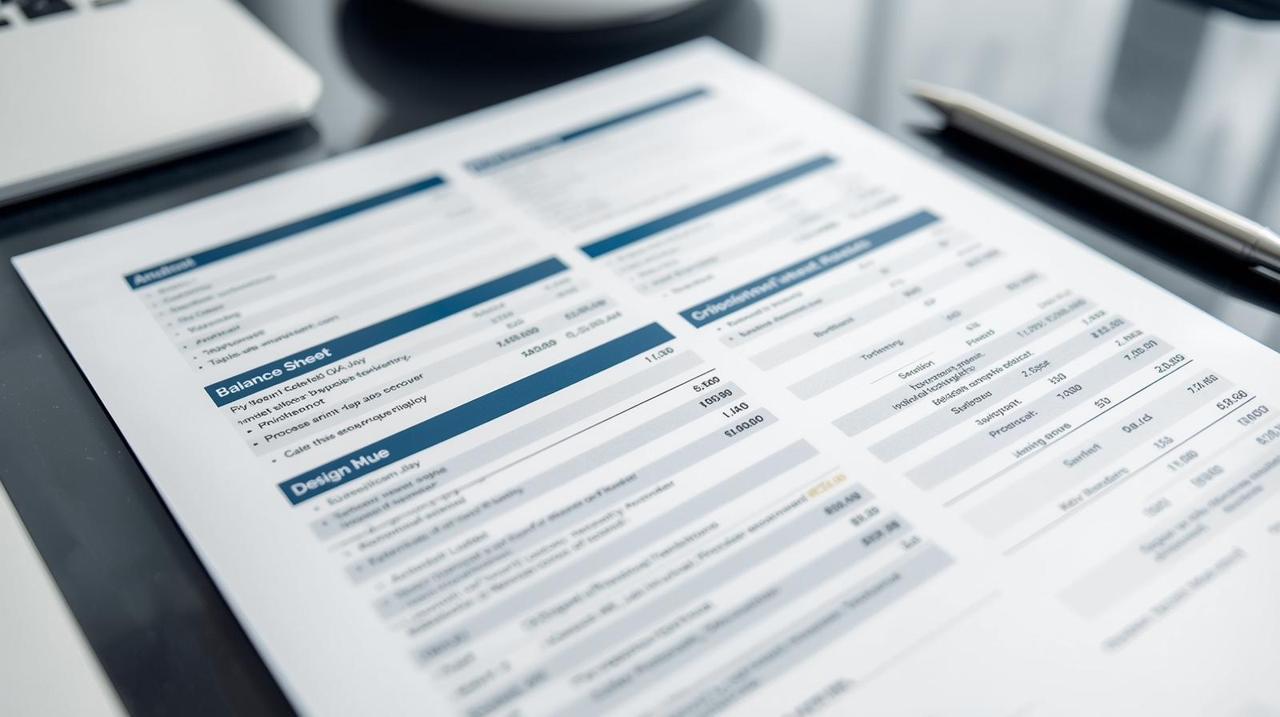
A firm grasp of balance sheets is crucial for business managers, entrepreneurs, or anyone eager to boost their financial acumen. Don’t worry if you lack a finance degree; you can still interpret these essential documents. A balance sheet provides a quick overview of what a business owns, owes, and has invested at a particular moment. By learning to decode it, you gain quick insights into a company’s financial health, stability, and growth opportunities without getting lost in technical jargon.
Balance sheets encompass three key components: Assets, Liabilities, and Owner’s Equity. The foundational formula remains:
Assets = Liabilities + Equity
This means everything owned by the company is supported either by borrowing funds (liabilities) or by investments from owners and profits (equity). Once this equation clicks, interpreting the balance sheet becomes straightforward.
Assets refer to items that hold value and are owned by the business. They typically fall into two categories: current and non-current assets.
These are assets that can quickly be converted into cash within a year.
Cash and bank balances
Accounts receivable (funds owed by customers)
Inventory (products available for sale)
Short-term investments
Prepaid expenses
A high volume of current assets typically indicates robust liquidity. However, if accounts receivable grow at a faster pace than sales, it may point to delayed payments or credit issues. Likewise, excessive inventory could signify sluggish sales or inaccurate forecasting.
These are enduring resources utilized for the company’s ongoing operations.
Machinery
Buildings
Land
Long-term investments
Patents or trademarks
A strong lineup of non-current assets indicates solid long-term stability. However, rapid growth in these assets without corresponding increases in revenue can hint at overspending or inappropriate expansion.
Liabilities encompass any borrowed funds or obligations that the business must repay.
These are due to be settled within a year.
Accounts payable (money owed to suppliers)
Short-term loans
Utility bills
Taxes payable
Salaries owed to employees
If current liabilities exceed current assets, it could indicate a cash flow crisis. Large short-term loans might suggest liquidity problems.
Long-term obligations that are due beyond one year.
Long-term loans
Bonds payable
Lease obligations
Pension liabilities
Excessive long-term debt can put strain on a company, especially if revenues dip or interest rates surge. It’s crucial to compare debt with profits and cash flow to check for lasting stability.
Equity reflects the owner’s stake in the business after all liabilities have been settled. It generally comprises:
Share capital
Retained earnings (undispersed profits)
Reserves
An uptick in equity signifies the company is reinvesting its gains and enhancing financial health. A fall in equity could indicate losses, mismanagement, or an over-reliance on debt.
This metric indicates whether the business can fulfill its short-term commitments.
Current Ratio = Current Assets ÷ Current Liabilities
If the ratio exceeds 1, the company can comfortably handle its expenses; a ratio below 1 might signal liquidity issues.
Cash serves as a key indicator of financial health. A business may be profitable yet face operational challenges if liquidity is low. Compare cash with short-term liabilities for an overview of financial flexibility.
Fast-growing accounts receivables relative to sales could suggest that customers aren’t paying on time. High inventory compared to income might signify overproduction or lack of demand. Both situations are potential early indicators of trouble.
While debt isn’t inherently negative, it must be manageable.
Useful metric:
Debt-to-Equity Ratio = Total Liabilities ÷ Equity
A high ratio indicates a reliance on borrowed funds.
Retained earnings illustrate how much profit stays within the company rather than being disbursed as dividends. An increase signals long-term value generation.
Balance sheets should be compared over time, not in isolation. Look for:
Asset increases
Debt changes
Growth or decline in equity
Cash flow trends
Consistent positive movements indicate stability.
Certain trends can indicate potential difficulties even amidst apparent profitability.
Rapidly increasing liabilities with stagnant assets
Declining cash levels despite rising revenues
Rising debt each year
Growing inventory without corresponding sales
Negative retained earnings
Decreasing equity
All these signs indicate possible financial instability or mismanagement.
Even with limited accounting skills, a balance sheet can guide sound decisions.
It enables you to monitor expenses, growth trajectories, and overall stability.
It guides expansion decisions, cost management, or inventory adjustments.
You can also detect cash flow issues early on.
Grasping a company's financial health aids in selecting stable organizations.
You can review financial statements during interviews for deeper insights.
It reveals critical information regarding debt levels, risks, and long-term sustainability.
This knowledge helps in avoiding companies that may appear profitable but have hidden financial troubles.
Reading a balance sheet becomes intuitive once the structure is understood. It’s an invaluable tool for assessing any business's financial condition. Whether you are an entrepreneur, executive, investor, or part of the workforce, mastering this skill equips you to make informed and confident decisions. Over time, you’ll be able to identify promising companies, steer clear of risky ones, and recognize the financial patterns that contribute to long-term success. Continuous practice will make reading balance sheets increasingly accessible and insightful.
This article aims to offer general educational insights on balance sheets. It is not intended to serve as financial, accounting, tax, or investment advice. Financial interpretations are subject to variations based on the industry, company size, and macroeconomic conditions. Readers should seek the counsel of qualified financial professionals for tailored advice related to significant investments or business decisions.










Beauden Barrett Opens Up About Mental Struggles During All Blacks Exile
Beauden Barrett discusses his confidence struggles after missing six tests, his return against Austr

IMF Says AI Investment Supports Global Growth Despite Energy Shock
IMF says AI investment is supporting global growth near 3%, with Asian economies benefiting from ris

Will O'Rourke Ruled Out of New Zealand's India Series
New Zealand fast bowler Will O'Rourke will miss the India series with hamstring and calf injuries as

AI Companies Expected to Drive Most US Earnings Growth in Q3
AI companies are expected to drive US third-quarter earnings growth as investors assess tech profits

Money Market Funds See Record Inflows as Global Bond Selloff Intensifies
Global money market funds attract $153.81 billion as bond yields rise, inflation fears persist and i

Meta Bans TikTok Ads on Facebook and Instagram in Seven Countries
Meta has banned TikTok ads in seven countries, escalating competition over social media users, adver

