You have not yet added any article to your bookmarks!
Join 10k+ people to get notified about new posts, news and tips.
Do not worry we don't spam!
Post by : Saif Rahman
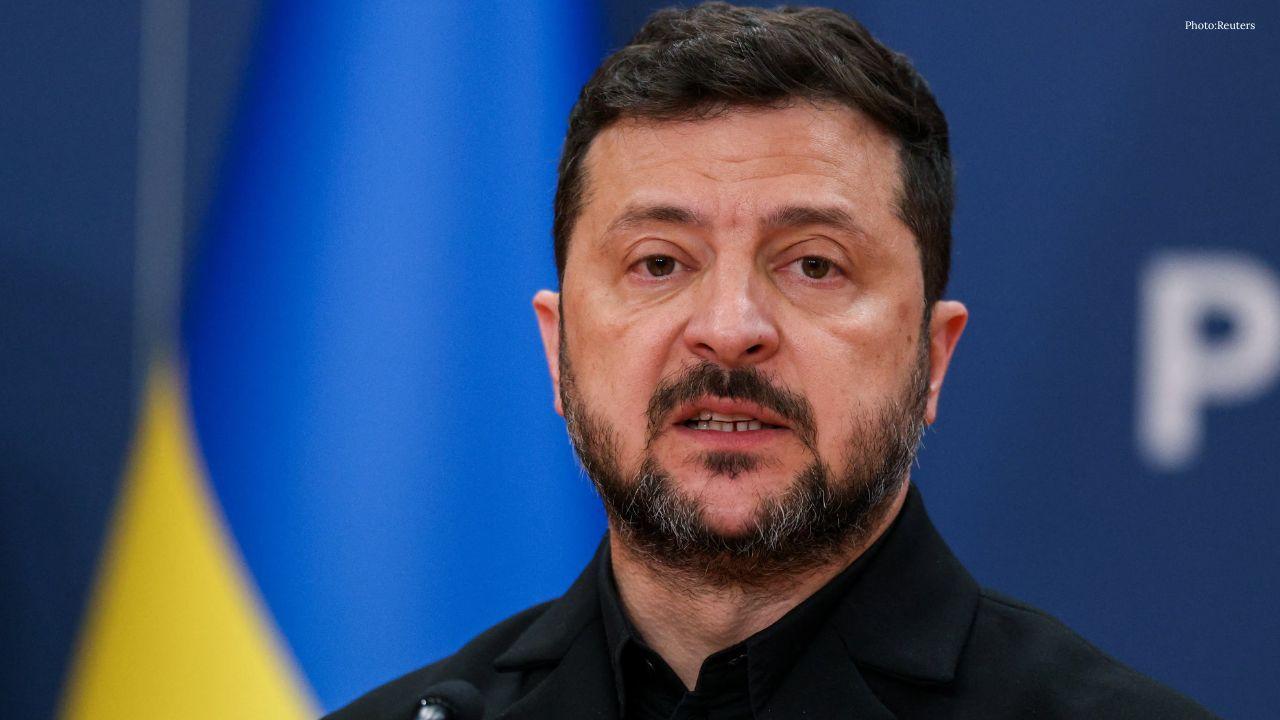
Oil prices experienced an uptick on Monday as the market reacted to the discussions between U.S. President Donald Trump and Ukrainian President Volodymyr Zelenskiy. Investors are also keeping a close eye on the heightened tensions in the Middle East, raising concerns about potential disruptions to oil supplies, which could further elevate prices.
As of now, Brent crude, serving as the global benchmark, rose to slightly over $61 per barrel, and U.S. West Texas Intermediate (WTI) increased to about $57 per barrel. This rise follows a notable decrease last week, when prices fell over 2% on fears of oversupply and optimism regarding a peace deal in Ukraine.
While the recent meeting between Trump and Zelenskiy sparked cautious optimism, no concrete breakthroughs were achieved. President Trump observed that both parties were “very close” to reaching an agreement to conclude the conflict in Ukraine. Nevertheless, he acknowledged that the situation regarding the Donbas region remains contentious, posing a potential hurdle for any final resolution.
Energy experts indicate that the ongoing territorial disputes diminish the likelihood of a swift peace outcome. With no clear resolution in sight, uncertainties persist, often bolstering oil prices as traders remain concerned about future supply challenges.
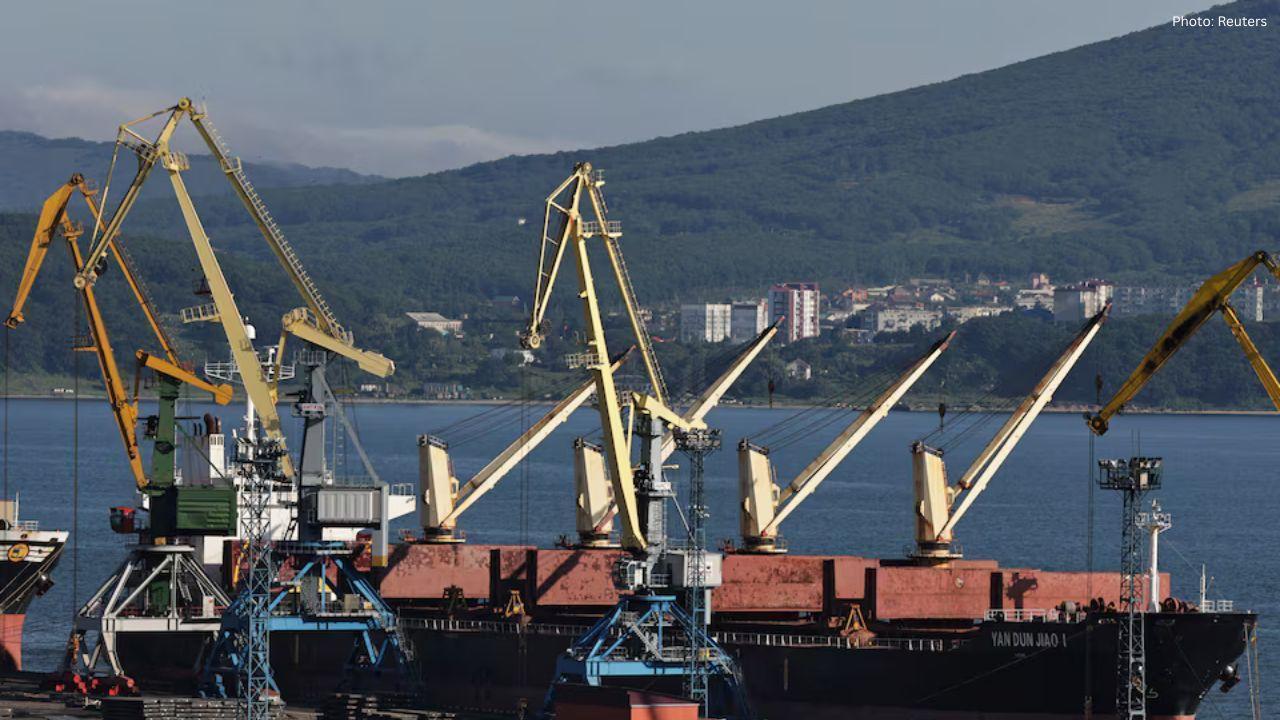
Furthermore, combat actions on the ground have heightened market unease. Over the weekend, Russia and Ukraine continued to target each other's energy infrastructure, raising alarms over potential damages to oil and gas facilities, which might lead to supply shortages and climbing prices.
Apart from Eastern Europe, the Middle East is another significant area of concern for investors. Recent air strikes by Saudi Arabia in Yemen, coupled with Iran's assertive remarks about being embroiled in a “full-scale war” with the United States, Europe, and Israel, have unsettled markets. Given that the Middle East accounts for a substantial portion of the world’s oil production, any conflict in this region can swiftly affect global oil supplies.
Analysts also highlight additional factors influencing oil prices. U.S. measures against Venezuelan oil shipments could curtail supply, while military strikes against ISIS targets in Nigeria have exacerbated concerns regarding stability in this crucial oil-producing nation, which generates roughly 1.5 million barrels of oil daily, making it vital to the global energy landscape.
Looking forward, experts predict oil prices will likely remain within a narrow range unless significant political or military developments occur. Investors are expected to closely monitor peace negotiations, conflict zones, and supply statistics. Currently, the increasing geopolitical risks are overshadowing worries about excess supply, pushing oil prices higher as the week commences.






PSG Coach Luis Enrique Urges Players to Step Outside Comfort Zone
PSG coach Luis Enrique says players must leave their comfort zone and keep improving as the club tar

China’s Tiangong Sets New 400m Record at Robot Olympics
China’s Tiangong robot sets a new 400m record at the Robot Olympics, beating a South African robot i

George Russell Wins Dutch GP Sprint, Boosts Mercedes Morale
George Russell wins the Dutch GP Sprint from pole as Mercedes teammate Kimi Antonelli extends his F1
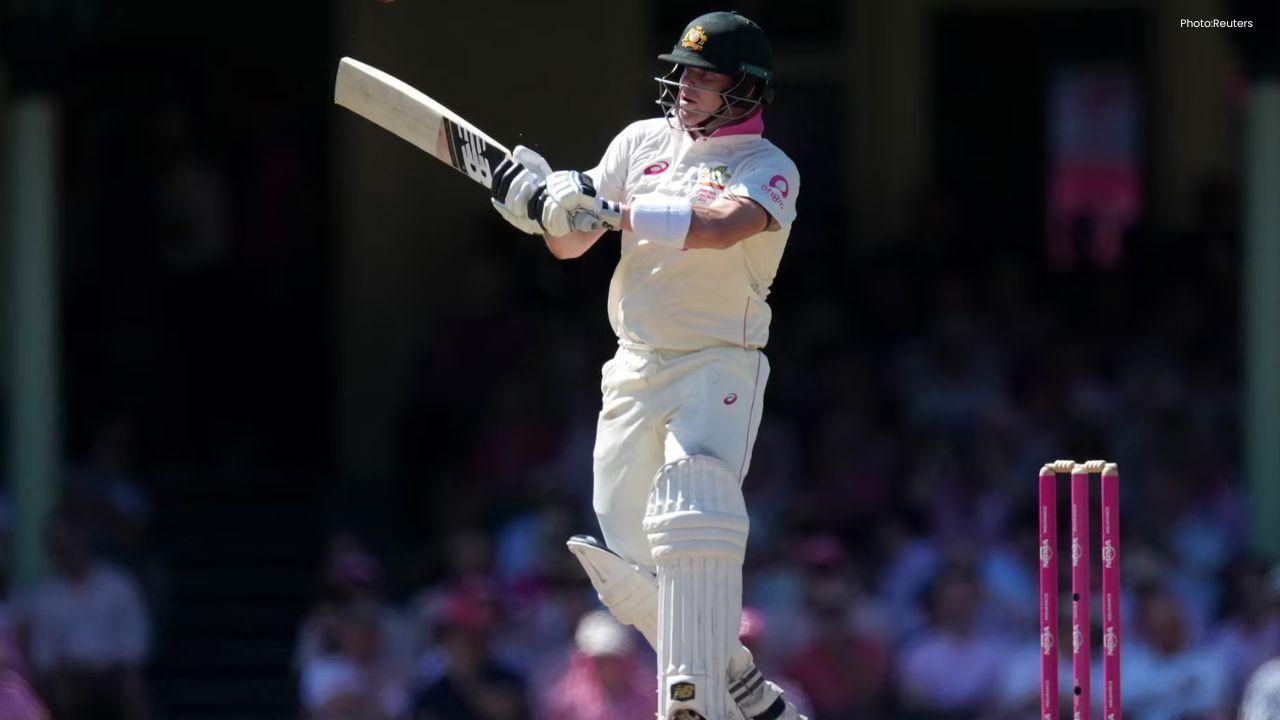
Australia 50/3 After Bangladesh Bowled Out for 64 in Second Test
Australia reached 50/3 after Bangladesh were bowled out for 64 in the second Test, with Mitchell Sta

Jordan Burroughs Returns to Wrestling with 2028 Olympic Dream
Jordan Burroughs returns to wrestling with Real American Freestyle as the Olympic champion eyes a po

Lamborghini Catches Fire on Singapore's ECP, Causing Heavy Traffic
A Lamborghini caught fire on Singapore's ECP, causing heavy traffic and bus delays. No injuries were